
Behind every successful building, highway, or home renovation is a crucial, often unseen step: calculating the cost to build it. Before a single piece of heavy machinery arrives at a job site, someone must predict exactly how much money, time, and manpower the project will require. If you have ever asked yourself why are estimators important in construction, the short answer is that they are the financial architects of the building process. They help determine whether a project is affordable, feasible, and profitable.
👉Buy Construction BOQ Template at $97 Only
In the fast-paced, high-stakes world of contracting and real estate development, guesswork is a recipe for disaster. Estimators transform abstract ideas and blueprints into a concrete financial reality. In this comprehensive guide, we will explore why are estimators important in construction, what they actually do, and how their expertise supports better project outcomes for everyone from homeowners to commercial developers.
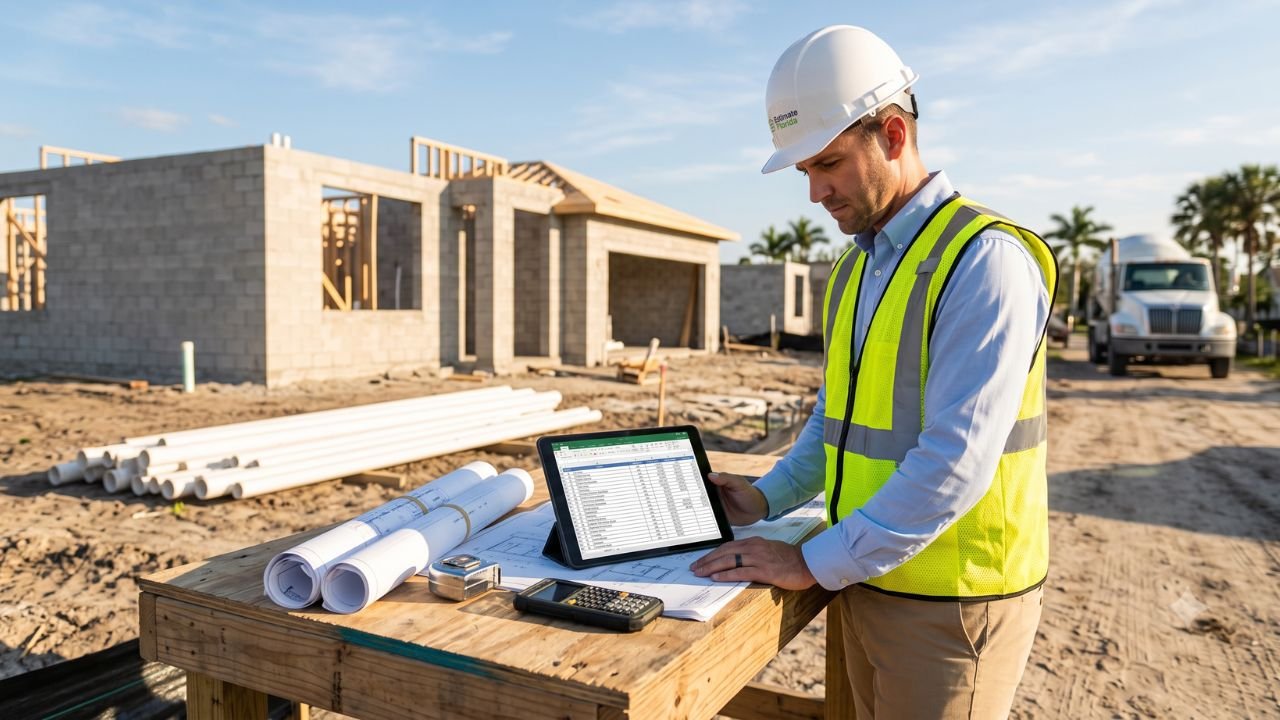
What Does a Construction Estimator Do?
To understand the importance of estimators in construction, it helps to first understand the construction estimator role in simple language. A construction estimator is a professional who calculates the total expected cost of a project before any physical work begins.
Instead of making rough guesses, an estimator in construction carefully analyzes architectural drawings, engineering specifications, and project documents. Their day-to-day work involves:
-
Performing Quantity Takeoffs: Measuring the blueprints to determine the exact amount of materials needed, such as cubic yards of concrete, linear feet of piping, or square footage of drywall.
-
Pricing Materials and Labor: Researching current market rates for supplies and calculating how many labor hours it will take a crew to install them.
-
Gathering Subcontractor Quotes: Requesting and reviewing bids from specialty trades like electricians, plumbers, and HVAC technicians.
-
Building the Cost Estimate: Compiling direct costs, indirect costs, overhead, and profit into a comprehensive, itemized budget.
Ultimately, a construction estimator translates a set of drawings into a highly detailed financial roadmap.
Why Are Estimators Important in Construction?
Estimators matter immensely before construction starts because their work sets the stage for every phase that follows. Without a reliable estimate, a project has no direction. Here is a breakdown of how estimators guide a project from day one:
-
Budgeting: They give owners and developers a realistic project budget, ensuring they know exactly how much capital is required.
-
Planning: By calculating labor hours and material lead times, estimators provide the data needed to build realistic project schedules.
-
Bidding: General contractors rely on estimators to prepare competitive, profitable proposals to win new jobs.
-
Financing: Banks and investors will not approve construction loans without a professional, detailed estimate proving the project is viable.
-
Scheduling: Estimators determine the sequence of work by analyzing what materials and trades must be coordinated first.
-
Decision-Making: If a cost estimate comes in too high, the estimator helps the team value-engineer the design—swapping out expensive materials for cost-effective alternatives—before breaking ground.
By removing guesswork, estimators reduce uncertainty and help all stakeholders avoid catastrophic financial surprises.
Estimators Help Control Costs
Once construction begins, keeping costs under control is the project manager’s primary goal. However, cost control is nearly impossible if you do not have an accurate baseline to measure against. This is where estimators prove their worth.
Estimators provide a definitive cost baseline. As the project progresses, the construction team tracks every dollar spent on materials, labor, and equipment. By comparing this actual spending against the planned spending outlined in the estimate, project managers can quickly spot financial leaks. For example, if the estimator allocated $30,000 for roofing, but current bills are trending toward $40,000, the team can intervene immediately. Cost control becomes infinitely easier and more effective when the project is guided by an accurate estimate from the start.
Estimators Improve Bid Accuracy
For general contractors and subcontractors, bidding on jobs is how they survive and grow. In competitive bidding, bid accuracy is everything. An estimator’s primary job for a contractor is to find the perfect “Goldilocks” number.
If a contractor underbids a project, they might win the job, but they will have to pay out of their own pocket to finish it, resulting in severe financial losses. If they overbid, their price will be too high, and they will lose the job to a competitor.
Estimators use their expertise to hit the sweet spot. They ensure the bid covers all costs, overhead, and profit, keeping the contractor both competitive and profitable. By utilizing structured data and a standardized bid proposal template, estimators allow contractors to submit winning proposals with absolute confidence.
👉Buy Construction BOQ Template at $97 Only
Estimators Help Define Scope
Scope creep—the continuous, unauthorized growth of a project’s requirements—is a major source of conflict in construction. Estimators are the first line of defense against scope creep.
During the estimating process, the estimator meticulously reviews the drawings. They force the project team to clarify exactly what is and is not included in the contract. If a blueprint is vague about whether a room gets carpet or hardwood, the estimator will ask a Request for Information (RFI) to get it clarified in writing.
This clarity reduces misunderstandings and legal disputes. When the owner and the contractor have a crystal-clear understanding of the project scope, they stay aligned, maintaining a positive relationship throughout the build.
Estimators Reduce Risk
Construction is inherently risky. Bad weather, supply chain disruptions, and hidden site conditions can derail a project overnight. A skilled estimator acts as a risk manager by identifying and pricing these risks early.
Common risks that estimators manage include:
-
Material Price Changes: If steel or lumber prices are volatile, estimators will add a financial contingency or an escalation clause to protect the budget.
-
Labor Shortages: Estimators calculate the exact labor hours needed. If specialized trades are rare in the area, they adjust the budget to attract the right talent.
-
Incomplete Drawings: If architectural plans have “scope gaps” (missing details), the estimator will assign a financial allowance to cover the unknown variables.
-
Site Conditions: If a site survey shows poor soil, the estimator will price in the cost of bringing in engineered fill dirt before the foundation is poured.
By pricing these variables into the project early, estimators shield contractors and owners from devastating financial losses.
Estimators Support Better Planning
You cannot schedule a project effectively if you do not know the material quantities or the labor hours required. Estimators provide the raw data that makes project planning possible.
Good estimates support smoother project delivery by optimizing:
-
Labor Scheduling: Knowing a drywall task takes 300 labor hours helps superintendents schedule the right crew size.
-
Material Ordering: Accurate takeoffs ensure procurement teams order the exact amount of supplies, preventing job site delays caused by shortages.
-
Subcontractor Coordination: Knowing the budget and timeline for the plumbing rough-in helps schedule the electrical and insulation teams perfectly.
-
Project Sequencing: Estimators understand the logical flow of construction, which informs the overall timeline.
-
Cash Flow Planning: A structured estimate helps contractors forecast when they will need to pay suppliers and when they should bill the client.
| Estimator’s Output | Benefit to Project Planning | Result for the Project |
| Material Quantities | Precise procurement and ordering | Eliminates material shortages and reduces job site waste. |
| Labor Hour Calculations | Accurate crew sizing and scheduling | Prevents overstaffing and keeps the project on schedule. |
| Subcontractor Budgets | Trade sequencing and contract buyout | Ensures specialty trades are hired and arrive exactly when needed. |
| Cost Breakdown / Cash Flow | Financial forecasting and billing | Keeps the project funded and prevents cash shortages. |
Examples of Why Estimators Matter
To truly understand why estimators matter in construction, let’s look at a few real-world examples across different sectors of the industry:
-
A Homeowner Planning a Renovation: A family wants to gut and remodel their kitchen. An estimator provides a detailed breakdown showing the project will cost $65,000. Because they know this upfront, the family can secure the correct home equity loan, ensuring they do not run out of money while their kitchen is torn apart.
-
A Contractor Submitting a Bid: A commercial builder is bidding on a new office park. The estimator carefully reviews the plans and notices a complex structural requirement that competing contractors missed. They price it correctly, win the bid with an accurate number, and turn a healthy profit, while their competitors would have lost money.
-
A Developer Deciding Whether to Move Forward: A real estate developer wants to build a multi-family apartment complex. The estimator’s feasibility study reveals that current material costs make the project unprofitable. The developer decides to hold off, saving millions of dollars in potential losses.
-
A Project Manager Tracking Budget Changes: During a warehouse build, the client asks to upgrade the lighting fixtures. The project manager consults the estimator, who quickly calculates the cost difference between the old and new fixtures, allowing the change order to be approved without delaying the schedule.
Common Problems Without Good Estimators
When project teams try to bypass the estimating process or rely on inexperienced individuals to guess the costs, the results are almost always negative. Common problems include:
-
Budget Overruns: Projects run out of money halfway through, leading to stalled job sites and panicked stakeholders.
-
Scope Confusion: Without a detailed estimate, no one agrees on what the final product was supposed to include, leading to endless arguments.
-
Missed Costs: Contractors forget to account for indirect costs like dumpster rentals, site fencing, or permit fees, forcing them to pay out of their own pockets.
-
Low Profit: If a contractor guesses a price just to win a job, they almost always underestimate the labor, resulting in razor-thin or negative profit margins.
-
Client Disputes: When homeowners or developers are hit with surprise invoices for items they assumed were included, trust is destroyed and lawsuits often follow.
-
Poor Project Planning: Without knowing exact material quantities, project managers cannot order supplies in advance, causing crews to stand around waiting for deliveries.
👉Buy Construction BOQ Template at $97 Only
How to Improve Estimating Performance
Whether you are a general contractor doing estimates in-house or an owner trying to understand your costs, improving your estimating process is the key to better projects. Here are practical tips to elevate estimating performance:
-
Define Scope Clearly: Always list inclusions and exclusions explicitly. If an item is not in the estimate, it is not in the project.
-
Use Current Pricing: Never rely on material prices from a job you did two years ago. Call suppliers for localized quotes, or use a reliable cost calculator that updates pricing regularly.
-
Review Drawings Carefully: Read all project notes, specifications, and addendums. Often, the most expensive requirements are hidden in the fine print, not on the main floor plan.
-
Include Contingency: Always build a financial safety net (typically 5% to 15%) into the estimate to cover unpredictable events, bad weather, or hidden site conditions.
-
Track Estimate vs. Actual Cost: After a project finishes, compare the initial estimate to the final receipts. This feedback loop teaches estimators where they tend to underbid so they can adjust future estimates.
-
Update Estimates as the Project Evolves: Treat the estimate as a living document. As design drawings move from rough concepts to final blueprints, update the numbers to reflect the new details.
If your team lacks the time or expertise to do this consistently, partnering with professional estimating services is an excellent way to ensure your numbers are always accurate.
Final Thoughts
So, why are estimators important in construction? They are the financial foundation upon which every successful building project is built. Construction estimators protect the project budget, improve logistical planning, set the stage for competitive bidding, and act as the ultimate tool for risk management.
Whether dealing with a small residential remodel or a massive commercial development, strong estimators help teams make better decisions, maintain clear communication, and avoid expensive mistakes. A project built on a weak estimate is destined to struggle, while a project guided by an expert estimator is positioned for success from day one.
If you are ready to remove the guesswork from your next project and secure your profitability, professional estimating is the key. Reach out through our contact page to learn how expert estimating support can help you plan, bid, and build with absolute confidence.