Embarking on a building project without a clear financial roadmap is a recipe for disaster. Whether you are building a custom home, developing a commercial high-rise, or remodeling a kitchen, understanding the numbers before you start is one of the most critical steps in any project. If you have ever wondered why construction estimating is important, the simplest answer is that it determines whether a project is feasible, affordable, and ultimately profitable.
In the construction industry, guesswork leads to budget overruns, delayed schedules, and frustrated stakeholders. A detailed estimate serves as the foundation for a successful build. In this comprehensive guide, we will explore exactly why construction estimating is important, how it supports better project outcomes, and how it directly impacts budgeting, bidding, planning, and risk control.
What Is Construction Estimating?
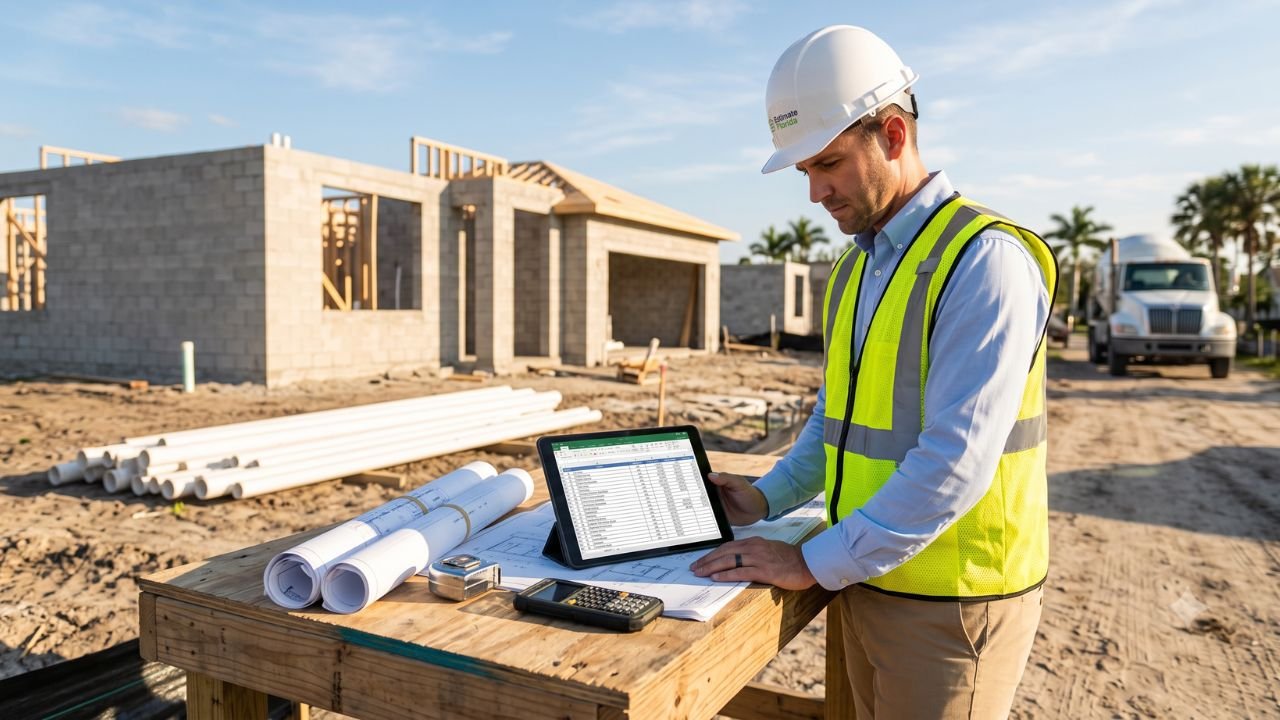
Before diving into the importance of construction estimating, it helps to understand what the process actually entails. In simple language, construction estimating is the systematic process of forecasting the total project cost before any physical work begins.
A professional construction cost estimate is not a rough guess. It is a highly calculated projection based on architectural drawings, project specifications, and current market data. Estimators carefully quantify everything required to build a structure, breaking the project down into specific cost categories. A thorough estimate includes:
-
Labor: The cost of the workforce, including wages, payroll taxes, insurance, and benefits.
-
Materials: Everything from concrete and steel to drywall, paint, and finishing fixtures.
-
Equipment: The cost to rent, purchase, or operate heavy machinery like cranes, excavators, and scaffolding.
-
Subcontractors: The quotes provided by specialty trades like plumbers, electricians, and HVAC technicians.
-
Overhead: The indirect costs of running a construction business, such as office rent, utilities, and administrative salaries.
-
Profit: The financial margin the contractor needs to make the project worthwhile.
By combining all these elements, the estimating process provides a realistic picture of the project budget.
Why Construction Estimating Is Important
Understanding why construction estimating is important requires looking at a project holistically. Before a shovel ever hits the dirt, an accurate estimate sets the stage for every phase of construction.
Estimates matter before a project begins because they provide the financial justification for moving forward. Here is a breakdown of how estimates help drive successful projects:
-
Budgeting: Owners and developers use estimates to set a realistic project budget that aligns with their financial capacity.
-
Planning: Estimates inform the project timeline, helping teams understand how long tasks will take based on labor hours and material lead times.
-
Bidding: General contractors rely on accurate estimates to submit competitive bids that win jobs while maintaining profit margins.
-
Financing: Banks and commercial lenders will not approve construction loans without a detailed, professional cost estimate proving the project is viable.
-
Scheduling: Knowing the exact quantities of materials and labor hours required allows project managers to sequence the work efficiently.
-
Decision-Making: If an estimate comes in too high, the project team can make informed decisions to value-engineer the design and lower costs before construction starts.
Ultimately, construction estimating reduces uncertainty. By putting a price tag on every aspect of a build, estimates help all parties avoid nasty financial surprises down the road.
Construction Estimating Helps Control Costs
One of the primary reasons why construction estimating is important is its role in cost control. A detailed estimate does not just predict the future; it gives the project team a definitive cost baseline to work from once construction begins.
As a project progresses, project managers and accountants track every dollar spent on labor, materials, and subcontractors. By comparing this actual spending against the planned spending outlined in the initial estimate, teams can quickly identify budget variances. For example, if the estimate allocated $20,000 for foundation concrete, but the actual bills are approaching $25,000, the project manager immediately knows there is a problem.
Cost control becomes significantly easier when the estimate is clear, detailed, and itemized from the start. It allows teams to catch financial leaks early, adjust their strategies, and prevent small budget overruns from turning into massive financial losses.
Estimating Improves Bid Accuracy
For general contractors and subcontractors, estimating is the lifeblood of the business. Estimating improves bid accuracy, which is absolutely critical in the world of competitive bidding.
When a contractor bids on a project, they are aiming for the “Goldilocks zone.”
-
Underbidding: If a contractor underestimates the costs to win the job, they will end up paying out of pocket to finish the work, resulting in severe financial losses.
-
Overbidding: If a contractor overestimates the costs, their bid will be too high, and they will lose the job to a more competitive rival.
Strong, precise estimating helps contractors stay competitive and profitable. By utilizing structured data and a reliable bid proposal template, contractors can confidently present accurate numbers. They know exactly what their break-even point is, ensuring they only take on projects that will yield a healthy return.
Estimating Helps Define Scope
Scope creep—the continuous, uncontrolled growth of a project’s requirements—is one of the leading causes of construction disputes and budget overruns. Estimating helps define scope by forcing the project team to clarify exactly what is and is not included in the price.
During the estimating process, an estimator must review the blueprints and specifications meticulously. If a detail is missing from the drawings, the estimator must ask a Request for Information (RFI) to clarify the architect’s intent. The final estimate will include a detailed list of inclusions and exclusions.
This level of scope clarity is invaluable. It reduces misunderstandings between the project owner and the contractor. If an owner later asks for premium hardwood floors instead of the standard laminate included in the estimate, the contractor can clearly point to the estimate to explain why this change will cost extra. Keeping owners and contractors aligned on the scope protects the relationship and the project budget.
Estimating Reduces Risk
Construction is an inherently risky industry. Every project faces variables that can disrupt the schedule and inflate costs. A thorough estimating process acts as a risk management tool.
Here are common risks and how estimating helps identify and price them early:
-
Material Price Changes: Estimators track market trends. If lumber or steel prices are volatile, the estimator can include an escalation clause or add a contingency buffer to absorb price spikes.
-
Labor Shortages: By calculating exact labor hours, an estimator can foresee if the project requires specialized trades that are currently in high demand, adjusting the budget to attract the right talent.
-
Incomplete Drawings: If architectural plans lack detail, a good estimator will identify these “scope gaps” and assign a financial allowance to cover the unknown variables.
-
Site Conditions: Estimators review geotechnical reports and site surveys. If poor soil conditions exist, they will estimate the cost of bringing in engineered fill dirt before the foundation is poured.
By pricing these risks into the project budget from day one, estimating shields the contractor and the owner from unexpected financial disasters.
Estimating Supports Better Planning
Construction budgeting and planning go hand in hand. You cannot effectively schedule a project if you do not know the quantities of materials being installed or the labor hours required to install them.
Good estimates support smoother project delivery by feeding directly into the project plan. When you know exactly what resources are required, you can optimize:
-
Labor Scheduling: Knowing a framing task will take 200 labor hours helps the superintendent schedule a 5-person crew for a 40-hour workweek.
-
Material Ordering: Accurate material takeoffs ensure that the procurement team orders the right amount of supplies, preventing job site delays caused by material shortages.
-
Subcontractor Coordination: Knowing the estimated duration of the plumbing rough-in helps the project manager schedule the electrical and drywall contractors at the right time.
-
Cash Flow: A well-structured estimate helps contractors forecast when they will need to pay suppliers and when they should bill the client, keeping cash flow positive.
To visualize how estimating feeds into planning, consider the following table:
| Estimating Output | Project Planning Benefit | Result |
| Material Quantities | Precise procurement and ordering | Eliminates material shortages and reduces waste. |
| Labor Hour Calculations | Accurate crew sizing and scheduling | Prevents overstaffing and keeps the project on timeline. |
| Subcontractor Quotes | Trade sequencing and contract buyout | Ensures specialty trades arrive exactly when needed. |
| Cost Breakdown / Cash Flow | Financial forecasting and billing | Keeps the project funded and prevents cash shortages. |
Examples of Why Construction Estimating Is Important
To truly grasp why construction estimating is important, it helps to look at real-world scenarios across different sectors of the industry.
-
A Homeowner Planning a Renovation: A family wants to add a master suite to their home. An early estimate reveals the project will cost $120,000. Because they know this upfront, they can apply for a home equity loan for the correct amount, ensuring they do not run out of money halfway through construction.
-
A Contractor Submitting a Bid: A commercial general contractor is bidding to build a new elementary school. By meticulously estimating every steel beam and concrete pour, they realize their competitors are missing a key structural requirement. They include it, win the bid with an accurate number, and turn a profit on the job.
-
A Developer Deciding Whether to Move Forward: A real estate developer wants to build a mixed-use retail space. A feasibility estimate shows that material costs have skyrocketed, making the potential rental income insufficient to cover the construction loan. The developer decides to pause the project, saving millions of dollars in potential losses.
-
A Project Manager Tracking Budget Changes: During a hospital build, the client requests a change order to upgrade the HVAC system. The project manager uses the baseline estimate to quickly calculate the cost difference between the old and new systems, allowing the client to approve the change order without delaying the schedule.
Common Problems Without Good Estimating
When project teams skip the estimating phase or rely on fast, inaccurate guesses, the results are almost always negative. Common problems that arise without good estimating include:
-
Budget Overruns: Projects run out of money before completion, leading to stalled job sites and panic.
-
Scope Confusion: Without a detailed estimate, no one agrees on what the final product was supposed to include, leading to endless arguments.
-
Missed Costs: Contractors forget to account for indirect costs like dumpster rentals, portable toilets, or permit fees, forcing them to pay out of pocket.
-
Low Profit: If a contractor guesses a price just to win a job, they almost always underestimate the labor, resulting in razor-thin or negative profit margins.
-
Client Disputes: When homeowners or developers are hit with surprise invoices for items they assumed were included, trust breaks down and legal disputes arise.
-
Poor Project Planning: Without knowing exact material quantities, project managers cannot order supplies in advance, causing crews to stand around waiting for deliveries.
How to Improve Construction Estimating
If you want to ensure your projects are profitable and stress-free, improving your estimating process is the best place to start. Whether you are doing it in-house or utilizing professional estimating services, here are practical tips for better accuracy:
-
Define Scope Clearly: Always list your inclusions and exclusions explicitly. If an item is not in the estimate, it is not in the project.
-
Use Current Pricing: Never rely on material prices from a job you did two years ago. Call suppliers to get current, localized quotes, or use a reliable cost calculator that updates pricing regularly.
-
Review Drawings Carefully: Read all project notes, specifications, and addendums. Often, the most expensive requirements are hidden in the fine print, not on the main floor plan.
-
Include Contingency: Always build a financial safety net (typically 5% to 15%) into the estimate to cover unpredictable events, bad weather, or hidden site conditions.
-
Track Estimate vs. Actual Cost: After a project finishes, compare your initial estimate to the final receipts. This feedback loop will teach you where you tend to underbid so you can adjust future estimates.
-
Update Estimates as the Project Evolves: Treat the estimate as a living document. As design drawings move from rough concepts to final blueprints, update the numbers to reflect the new details.
Final Thoughts
So, why construction estimating is important? It is the financial heartbeat of any successful building endeavor. Construction estimating protects the project budget, improves logistical planning, sets the foundation for competitive bidding, and acts as the ultimate tool for risk management.
Whether it is a small residential remodel or a massive commercial development, better estimates lead to better decisions, smoother communication, and significantly fewer surprises. A project built on a weak estimate is destined to struggle, while a project built on a precise, detailed estimate is positioned for success.
If you are ready to remove the guesswork from your next project and secure your profitability, professional estimating is the key. Reach out through our contact page to learn how expert estimating support can help you plan, bid, and build with absolute confidence.