Understanding how much does it cost to build a house in Florida is the first step for any homeowner or developer looking to enter the Sunshine State’s real estate market. The short answer is that costs vary widely based on location, size, materials, and finish level. Whether you are eyeing a suburban plot in Orlando or a beachfront lot in Naples, your Florida home construction cost will be shaped by regional labor markets and specific environmental requirements.
Generally, inland homes tend to cost less than coastal properties. This is due to differences in site conditions, stricter coastal building codes, and the specialized engineering required for hurricane and flood resistance. In this guide, we will break down the major cost drivers, from sitework to luxury finishes, to help you establish a realistic new home budget.
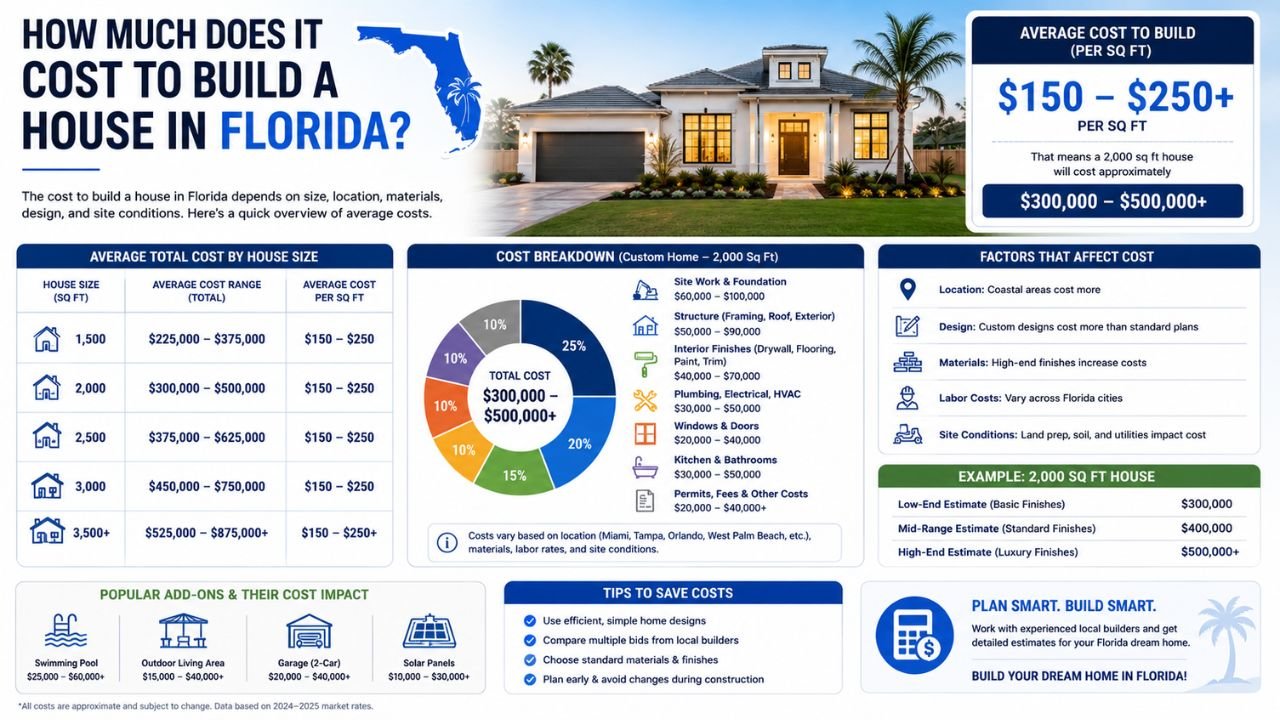
What Affects the Cost Most?
When determining the cost to build a home in Florida, several major drivers dominate the budget. While the “house” itself is the main expense, many owners are surprised by the weight of early-stage costs.
- Land Cost: The price of the lot varies by city and proximity to the water.
- Permits and Fees: Florida impact fees can be significant depending on the county.
- Sitework: Preparing the land for a foundation is a critical first step.
- The Shell: This includes the foundation, framing, roofing, and windows.
- Mechanical Systems: HVAC, plumbing, and electrical installations.
- Interior Finishes: Cabinets, flooring, and trim often determine if a project stays on budget.
Ultimately, both the location and the total scope of your design will shape the final financial outcome.
Land and Site Preparation
Before vertical construction begins, you must account for the land and initial sitework. Buying or leasing land is a separate expense from the cost to build a house in Florida per square foot, but it dictates your engineering needs.
Florida’s unique geography means that site preparation often involves more than just grading. Depending on the lot, you may face costs for clearing heavy vegetation, soil compaction (especially in sandy or swampy areas), and ensuring proper drainage to manage Florida’s heavy rainfall. Flood risks may also require you to bring in “fill dirt” to raise the elevation of the home site, which can add thousands to your initial sitework budget. Additionally, ensuring easy utility access for water, sewer, and power is a vital consideration for rural or undeveloped lots.
Building the House
The “hard costs” of building the structure are typically where the bulk of the Florida house building estimate is allocated. This phase covers the physical shell and the interior walls.
- Foundation: Most Florida homes use slab-on-grade construction, though coastal homes may require piers or pilings.
- Framing: Wood framing is common, but concrete block (CMU) construction is a popular choice in Florida for its durability and termite resistance.
- Roofing: Options range from standard shingles to metal or clay tiles, with metal being highly favored for its longevity in tropical climates.
- Windows and Exterior Doors: These must meet specific wind-load requirements.
- Interior Elements: This includes insulation, drywall, cabinetry, and interior trim.
Design complexity—such as high ceilings, custom rooflines, or intricate floor plans—will strongly influence your final pricing.
Mechanical and Utility Costs
A functional home requires complex mechanical systems. In Florida, these are not just conveniences; they are essential for health and comfort.
HVAC (Heating, Ventilation, and Air Conditioning): Because of the heat and humidity, Florida homes require robust, high-efficiency AC systems. The tonnage required depends on the square footage and the home’s insulation quality.
Plumbing and Electrical: These systems must be installed by licensed professionals to meet strict state safety codes.
Energy Efficiency: Upgrading to spray-foam insulation or high-efficiency water heaters may raise your new home construction cost Florida upfront, but these investments significantly improve long-term property value and reduce monthly utility bills.
Florida-Specific Cost Factors
Building in Florida comes with a set of requirements that don’t apply to many other states. These factors are non-negotiable and essential for the durability of the structure.
- Hurricane-Resistant Construction: State codes require homes to withstand high-velocity winds. This often means using “impact-rated” windows or specialized hurricane shutters.
- Wind Loads: The structural framing must be tied together with metal connectors (hurricane straps) from the foundation to the roof.
- Flood Elevation: If your lot is in a designated flood zone, you may be required to build the living area several feet above the base flood elevation.
- Moisture and Corrosion: Coastal projects require corrosion-resistant fasteners and specialized moisture barriers to prevent mold and salt-air damage.
While these requirements can raise initial Florida construction costs, they ensure your home is compliant, insurable, and built to last.
Soft Costs and Contingency
A realistic custom home budget must look beyond the physical labor and materials. “Soft costs” are the administrative and professional fees required to get the project off the ground.
- Architecture and Engineering: Custom plans require structural engineering for wind loads.
- Permitting and Impact Fees: These are paid to the local municipality to offset the “impact” of new construction on infrastructure (roads, schools, parks).
- Surveys and Insurance: Construction-to-permanent financing insurance and land surveys are standard requirements.
- Contingency: We always recommend a contingency allowance of 10% to 15%. This covers unexpected price spikes in materials or minor changes in scope during the build.
Cost Ranges by Home Type
To provide a practical overview of how much does it cost to build a house in Florida, the following table outlines average ranges based on the quality of construction and location.
| Home Type | Estimated Cost per Sq. Ft. | Typical Features |
|---|---|---|
| Starter Home | $150 – $210 | Standard materials, simple design, inland lot. |
| Mid-Range Home | $210 – $320 | Upgraded finishes, semi-custom plans, 2-car garage. |
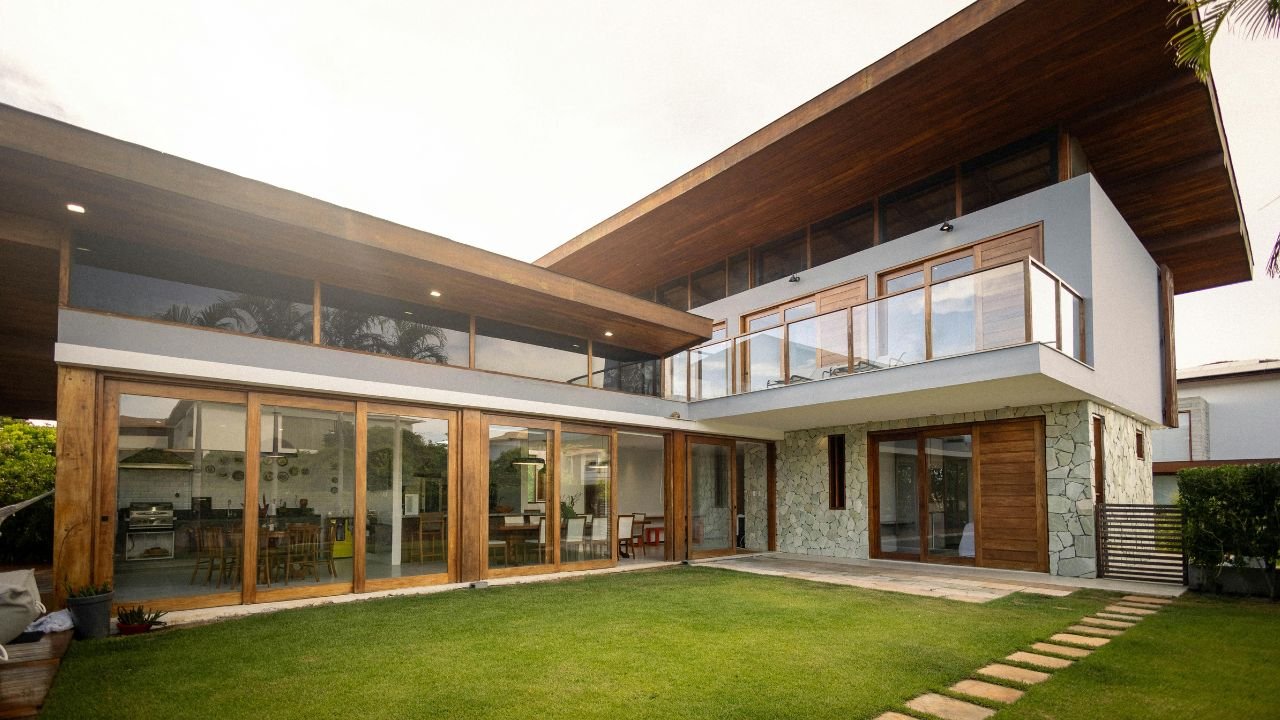
| Custom Home | $320 – $450 | Unique architectural design, premium flooring/cabinets. |
| Coastal Home | $450 – $700 | Impact windows, elevated foundation, salt-resistant finishes. |
| Luxury Home | $700 – $1,200+ | High-end masonry, smart home tech, designer landscaping. |
Note: These ranges exclude the cost of land and vary by city and current market conditions.
How to Plan a Realistic Budget
The key to avoiding “sticker shock” is defining your scope as early as possible. Surprises are the enemy of a successful build. To budget more accurately:
- Select Your Lot Early: The site constraints (slope, soil, utilities) will dictate your sitework costs.
- Finalize Square Footage: Be realistic about how much space you truly need.
- Set a Finish Level: Decide early on if you want “builder grade” or “luxury” finishes for items like countertops and flooring.
- Consult Professionals: Working with an experienced estimator or builder during the design phase can help you identify cost-saving opportunities before you break ground.
Final Thoughts
Determining how much does it cost to build a house in Florida depends on a combination of land choice, site development, and Florida-specific engineering requirements. While the “Sun Tax” in the form of hurricane and flood codes adds to the budget, it also results in a safer and more resilient home.
By planning for soft costs and maintaining a healthy contingency fund, you can navigate the construction process with confidence. The best path forward is to collaborate with a local expert early in the process to ensure your vision aligns with a realistic Florida custom home cost.