Building a house in Florida offers advantages that buying an existing home often cannot match. For many homebuyers, investors, and families, Florida new construction provides the chance to create a home that fits their lifestyle, meets current safety standards, and performs better in the state’s unique climate. From hurricane-ready design to energy-efficient systems, the benefits of building a house in Florida go beyond aesthetics. This article breaks down the key reasons why building can be a smarter choice than buying for people who want customization, lower long-term costs, and a home built for modern Florida living.
Customization and Control
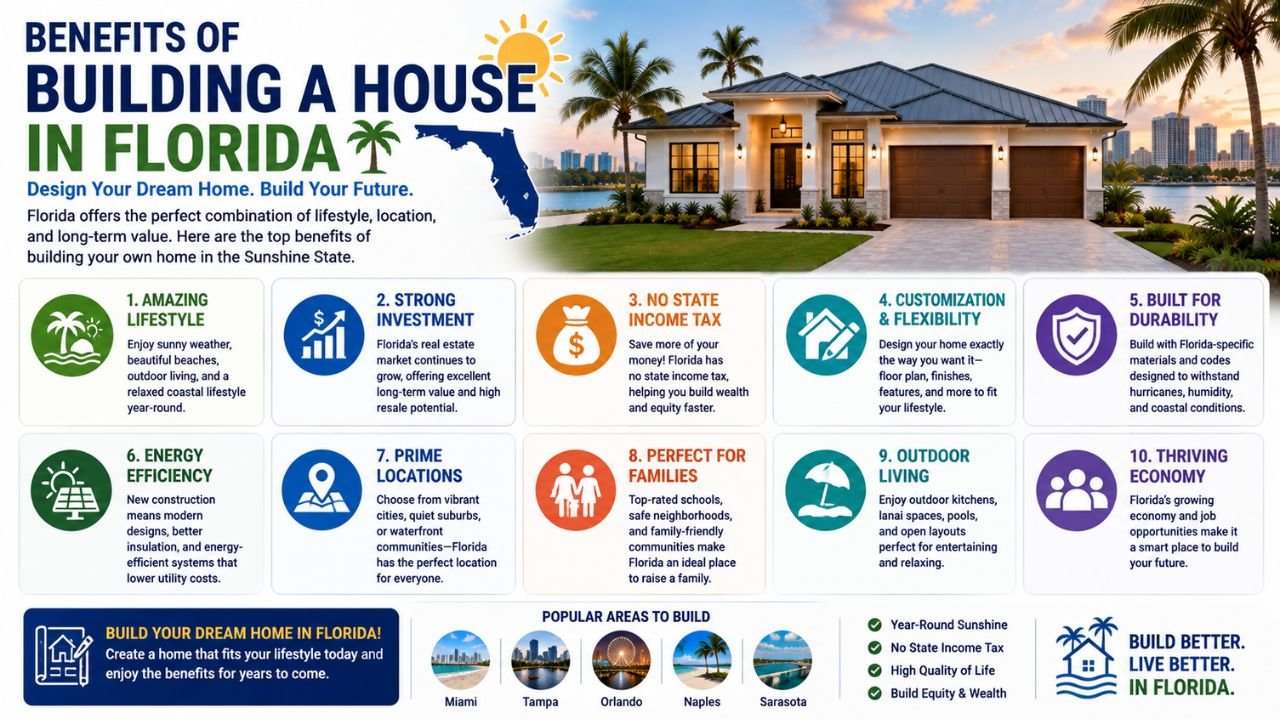
One of the strongest benefits of building a house in Florida is complete control over the design. When you buy an existing home, you inherit someone else’s floor plan, finishes, and layout decisions. When you build, you choose what works best for your household.
Common customization options include:
- Number and size of bedrooms and bathrooms
- Open-concept kitchens and living areas
- Dedicated storage, home offices, or multi-generational suites
- Outdoor living spaces such as covered lanais, outdoor kitchens, or pool decks
- Accessibility features like wider doorways, zero-step entries, or single-story designs
This level of control improves daily comfort. A family with young children can prioritize play areas and durable finishes. Retirees can focus on single-level living and low-maintenance materials. Luxury buyers can add high-end fixtures and entertainment spaces. Investors can design homes that appeal to local rental demand. In short, a custom home in Florida can match both current needs and future plans more closely than a resale property.
Energy Efficiency
Florida’s hot, humid climate makes energy efficiency especially valuable. Newer homes typically outperform older ones because they incorporate better insulation, high-performance windows, efficient HVAC systems, and modern appliances from the start.
Key energy-related advantages of Florida new construction include:
- Improved insulation and air sealing that reduce cooling loads
- Energy-efficient windows that limit heat gain
- High-SEER HVAC systems sized for the local climate
- LED lighting and Energy Star-rated appliances
These features can lower monthly utility bills over time. While actual savings depend on home size, location, and usage, the difference between an older home and a well-designed new build is often noticeable during Florida’s long cooling season. Homeowners interested in further improvements may also explore the IRS Energy Efficient Home Improvement Credit, which applies to certain upgrades.
Energy efficiency also supports long-term comfort and can make a home more attractive to future buyers who value lower operating costs.
Lower Maintenance and Fewer Repairs
New construction generally means fewer immediate repair costs. Systems and materials are new rather than decades old. This includes roofs, plumbing, electrical systems, HVAC equipment, and exterior finishes.
Warranties further reduce early ownership stress. Many builders provide limited warranties on workmanship and materials, and major systems often carry manufacturer warranties. While no home is maintenance-free, starting with newer components typically delays the need for major replacements that older homes may require soon after purchase.
For coastal Florida homeowners and families, this can translate into more predictable ownership costs in the first years. Investors also benefit from reduced unexpected expenses that can affect cash flow.
Built to Current Codes
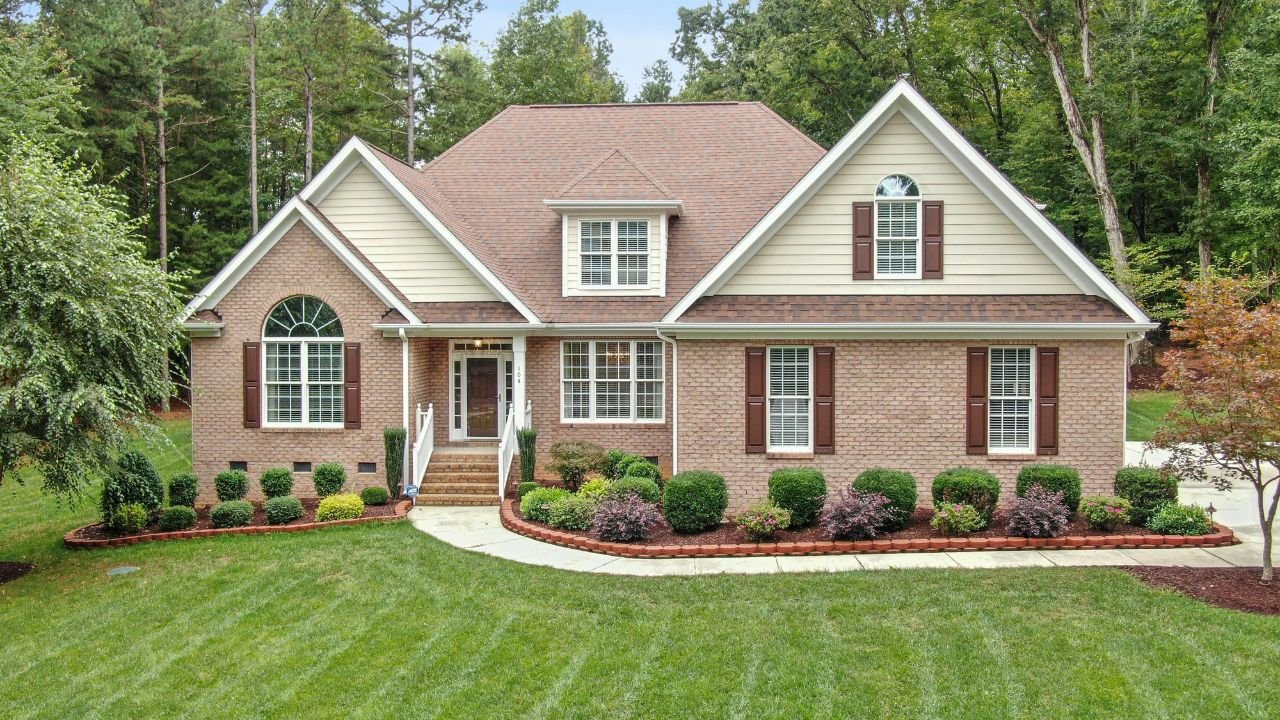
Florida’s building codes are among the most rigorous in the country, especially regarding wind resistance and flood considerations. Homes built under current standards must meet specific requirements for structural integrity, roof attachment, impact protection, and elevation in flood-prone areas.
The Florida Building Code sets these minimum standards. Compliance improves resilience against hurricanes and high winds. Buyers can also consult FEMA Flood Maps when evaluating lots to understand flood risk and elevation requirements.
Code-compliant construction offers practical benefits:
- Greater structural performance in severe weather
- Better protection for occupants and belongings
- Potential insurance advantages in some cases
- Peace of mind for coastal and inland owners alike
Older homes may have been built under less stringent rules. Bringing an existing house up to current standards can be expensive or impractical. Building new allows the home to start at today’s requirements.
Better Lot and Location Choice
Building a house gives more freedom in choosing the lot and neighborhood. Buyers can prioritize school districts, commute times, proximity to amenities, water views, or quiet streets. This control is harder to achieve when limited to existing inventory.
A well-chosen lot can improve everyday life and support long-term value. For example:
- Families may focus on highly rated schools and safe streets
- Retirees may prefer communities with recreational amenities and low traffic
- Investors may target areas with strong rental demand or appreciation potential
- Luxury buyers may seek privacy, waterfront access, or exclusive neighborhoods
Location decisions also affect resale. A thoughtfully selected lot in a desirable area can help the finished home appeal to a broader range of future buyers.
Long-Term Value
A new home can deliver stronger long-term value through lower maintenance needs, modern design, and efficient systems. Buyers avoid the deferred maintenance common in many resale properties. Contemporary floor plans and energy-efficient features often remain desirable for years.
Understanding costs early supports better decision-making. Resources such as how much does it cost to build a house in Florida and residential construction estimating help set realistic expectations. Industry data from sources like the NAHB Cost of Constructing a Home can also provide useful benchmarks for planning.
When a home is well planned and built to current standards, it can hold its appeal for families, retirees, first-time buyers, and later owners.
Planning the Build
The benefits of building a house in Florida are greatest when the process is carefully planned. Key steps include setting a realistic budget, selecting a floor plan that matches lifestyle needs, choosing finishes that balance aesthetics and durability, and preparing for permits and inspections.
Practical considerations:
- Establish a clear budget that includes contingency for unexpected costs
- Decide on layout priorities before finalizing plans
- Select materials and systems suited to Florida’s climate
- Confirm permit and code requirements for the specific site
Helpful resources for organizing the process include what are the 7 stages of construction, average cost to build a 1500 sq ft house in Florida, and sample BOQ for house construction excel complete format with example. These tools support clearer communication with builders and better cost tracking.
| Planning Area | Key Questions to Ask | Why It Matters |
|---|---|---|
| Budget | What is the total budget including lot and contingency? | Prevents mid-project surprises |
| Floor Plan | Does the layout support daily routines and future needs? | Improves long-term comfort |
| Finishes & Systems | Are materials suited to heat, humidity, and storms? | Reduces maintenance and improves durability |
| Site & Permits | What are the local code and flood requirements? | Ensures compliance and avoids delays |
| Energy Features | Which efficiency upgrades deliver the best return? | Lowers operating costs over time |
Final Thoughts
The main benefits of building a house in Florida center on customization, energy efficiency, lower maintenance, modern code compliance, and the ability to choose a lot that fits lifestyle goals. For families, retirees, investors, first-time buyers, luxury homebuyers, and coastal residents, Florida new construction can deliver a home better matched to both personal needs and the local environment than many existing properties.
Building is not automatically better than buying for every person or situation. The decision depends on timeline, budget, risk tolerance, and priorities. Comparing the full build process—including costs, design control, and long-term ownership expenses—against available resale homes remains the most practical way to decide. When the advantages align with your goals, building a custom home in Florida can be a sound path to a more suitable and resilient place to live.