
In the fast-paced and highly technical world of Florida construction, electrical contractors and MEP professionals cannot afford to rely on guesswork or back-of-the-napkin calculations. Submitting a precise, professional bid is the most critical step toward securing profitable work. Utilizing a comprehensive electrical estimate template Excel Florida helps contractors prepare accurate, consistent, and client-ready electrical bids that inspire confidence in developers, general contractors, and project owners.
Florida electrical projects face a unique set of regional challenges that make standard national templates insufficient. From stringent hurricane codes and complex flood zone regulations to coastal corrosion and fluctuating regional material pricing, these localized variables must be explicitly captured in your pricing documents. Whether you are wiring a custom beachfront home, a mid-rise condominium, or a massive commercial facility, a specialized template ensures every conduit, wire, and panel is accounted for.

This comprehensive guide will explain the ideal electrical estimate template in Excel for Florida projects. We will break down what essential sections and formulas it must contain, how to structure your cost categories, and how to master Florida’s unique electrical construction environment to win more bids.
What Is an Electrical Estimate Template in Excel?
An electrical estimate template Excel Florida is a standardized, highly structured spreadsheet designed specifically to calculate and organize the total expected costs of an electrical scope of work. It translates architectural plans, single-line diagrams, and MEP engineering blueprints into a clear, digestible financial document.
At its core, this template organizes project information, individual work items, material quantities, labor hours, unit costs, and total financial extensions into a consistent layout. Because an electrical takeoff involves thousands of disparate parts—from hundreds of feet of THHN wire and EMT conduit to switchgear, fixtures, and low-voltage systems—an Excel template keeps the chaos perfectly organized.
A well-designed template is highly versatile. It works seamlessly as a residential electrical estimate template Excel, a complex commercial electrical estimate template Florida, or a detailed bidding tool for large-scale institutional electrical work. By standardizing your electrical bid format, you establish a repeatable, scalable process for your estimating department.
Why Florida Electrical Projects Need a Specialized Excel Template
Estimating an electrical project in the Sunshine State requires a hyper-local approach. The state’s geography, extreme weather, and rigorous regulatory environment mean your Florida electrical contractor estimate Excel must proactively address realities that estimators in other regions rarely consider.
Florida-specific factors that must dictate your electrical takeoff include:
-
Hurricane and Wind-Load Requirements: High winds heavily impact roof penetrations and exposed equipment. Your estimate must account for specialized, high-wind anchorage for rooftop generators, RTU disconnects, and heavy-duty weatherheads.
-
Flood Zone Construction and Elevation: Many Florida structures are built in designated flood zones. This often mandates the elevation of main electrical panels, meters, and switchgear above Base Flood Elevation (BFE), requiring longer feeder runs and specialized mounting structures.
-
Moisture and Corrosion Concerns: Coastal salt spray and high ambient humidity rapidly degrade standard materials. Your estimate must reflect the costs of NEMA 4X stainless steel or non-metallic enclosures, PVC-coated conduits, and corrosion-resistant hardware suited for coastal areas.
-
Regional Labor and Material Pricing: The cost of copper, aluminum, and skilled union or non-union labor varies dramatically across the state.
-
Local Permit and Impact Fees: Florida municipalities often assess specific electrical permitting fees and utility connection charges that must be captured to protect your margins.
Understanding what are the 7 stages of construction helps electrical estimators know exactly when their rough-ins (during framing) and trim-outs (after drywall) will occur. This allows them to accurately forecast labor and material delivery costs. Furthermore, mastering these nuances is a critical component of successful residential construction estimating in Florida.
Essential Sections of a Professional Electrical Estimate
A professional MEP estimate template must be meticulously organized. Grouping an electrical estimate into logical systems prevents data overlap and ensures no critical components are omitted.
Here are the key sections your template should include:
-
Header: Project name, site address, client/GC details, date, unique estimate number, and the electrical contractor’s contact info.
-
Scope of Work & Assumptions: Clear definitions of what is included and what is excluded (e.g., “Excludes concrete cutting, patching, and utility company transformer fees”).
-
Service and Distribution: Main utility service entrance, CT cabinets, transformers, switchgear, main breaker panels, and subpanels. (Often tied to your panel schedule).
-
Feeders and Branch Circuits: Conduits (PVC, EMT, Rigid), cables (Romex, MC cable), busways, and wire categorized by size and gauge.
-
Devices and Outlets: Standard receptacles, switches, dimmers, GFCI/AFCI outlets, floor boxes, and cover plates.
-
Lighting and Fixtures: Interior lighting, exterior site lighting, landscape lighting, emergency egress lights, and exit signs.
-
Low-Voltage Systems: Fire alarm systems, data/telecom drops, CCTV cameras, and access control systems (if included in your scope).
-
Grounding and Bonding: Grounding electrodes, ground rods, bare copper conductors, exothermic welds, and bonding jumpers.
-
Supports and Accessories: Strut channels (Unistrut), hangers, junction boxes, fire-stopping sleeves, and pull strings.
-
Permits & Fees: Municipal permit costs, inspection fees, and temporary power setups.
-
Cost Summary: Subtotals for materials, labor, equipment, subcontractors, overhead, contingency, profit, tax, and the grand total.
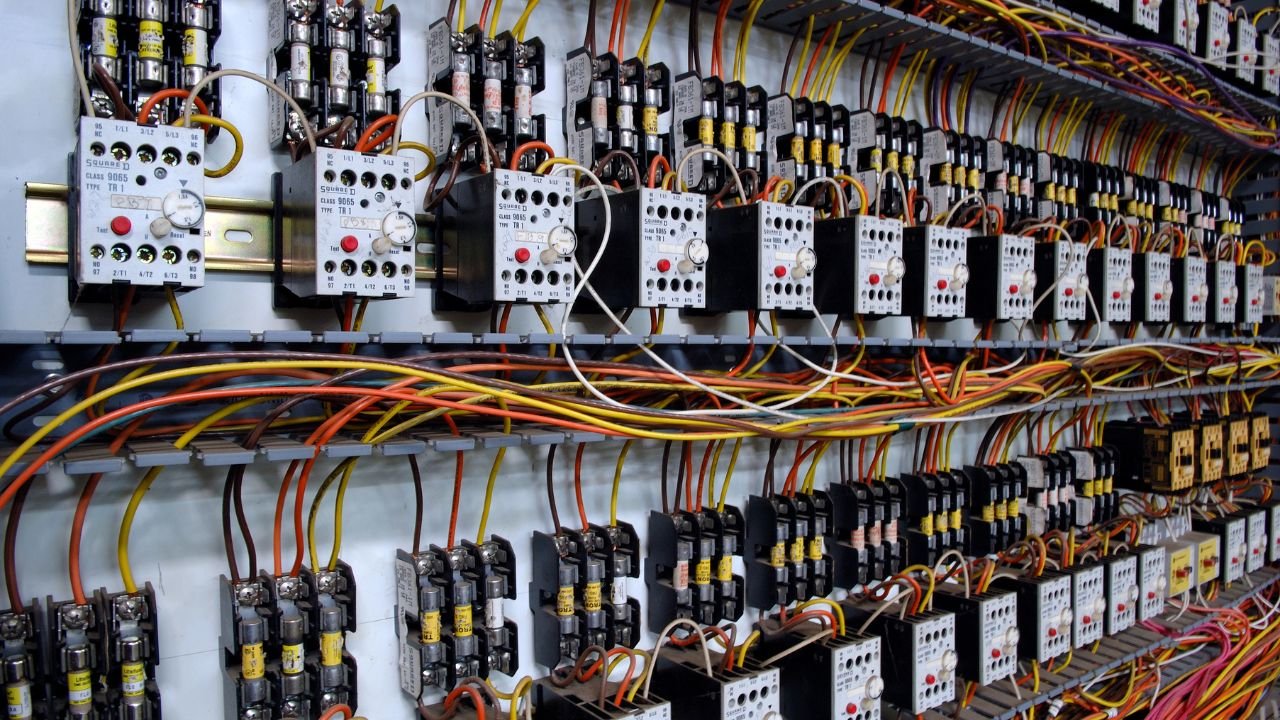
Below is a simple table showing how these sections function in your spreadsheet:
| Estimate Section | Role in the Project | Key Line Items Included |
| Service & Distribution | The core power hub of the building. | Switchgear, main panels, transformers, meters. |
| Feeders & Branch Circuits | The pathways delivering power to areas. | EMT conduit, THHN wire, MC cable, trenching. |
| Devices, Lighting & Trim | The visible, user-facing electrical items. | Receptacles, switches, LED fixtures, cover plates. |
| Grounding & Supports | Ensures safety, code compliance, and longevity. | Ground rods, strut channels, junction boxes, fire-stopping. |
For a broader understanding of how these sections nest into a complete project overview, referencing a sample BOQ for house construction excel complete format with example can provide an excellent structural blueprint for formatting your worksheets.
Recommended Column Structure for Electrical Estimate Lines
The functional body of your electrical BOQ is driven entirely by its estimate columns. Having a standardized set of columns ensures that anyone reviewing the document can instantly understand the conduit and wire estimate breakdown.
Your core columns for each cost line should include:
-
Item Number/Code: A standard reference number to keep materials organized.
-
Description of Work or Item: A highly specific explanation of the material, ideally with NEC references (e.g., “3/4-inch EMT Conduit” or “20A Commercial Grade Duplex Receptacle”).
-
Unit of Measurement (UOM): Crucial for electrical work (e.g., LF for wire/conduit, EA for fixtures/panels, HR for labor, LS for lump sum subcontracts).
-
Quantity: The exact takeoff amount from the electrical blueprints.
-
Unit Cost: The price per single unit of measure (separated into Material Cost and Labor Cost for more advanced estimates).
-
Total Cost: The calculated extended price.
Optional columns that add immense value include Location/Zone (e.g., Ground Floor, Roof, Exterior), Circuit/Panel Reference, Phase (Rough-in vs. Trim), and CSI Division. Consistent columns make it incredibly easy to sort, filter, and review the estimate by specific phases of Florida electrical construction.
How to Structure Formulas and Summaries in Excel
The mechanical power of an electrical estimating template Excel document lies in its mathematical formulas. Proper formula structure eliminates human calculation errors, which can result in thousands of dollars in lost profit on a complex build.
Start with the fundamental formula on your line-item rows:
Total Cost = Quantity * Unit CostNext, structure your subtotals by major electrical system (Service, Feeders, Devices, Lighting, Low-Voltage). These subtotals roll up to form your Total Direct Costs.
In your Summary Section, use formulas to calculate your soft costs and markups. Apply your Overhead percentage, a healthy Contingency percentage (vital for Florida projects where underground trenching surprises are common), and your Profit margin. Finally, calculate the applicable tax and the Grand Total.
Best Practices for Excel Setup:
-
Use Separate Sheets: Keep the workbook clean. Use one tab for the high-level summary, one for the detailed line-item estimate, and a hidden tab for your master electrical material rate lists.
-
Avoid Hard-Coded Totals: Never manually type a final sum into a cell. If an engineer adds five new circuits to the panel schedule, a hard-coded total will not update dynamically.
-
Protect Formula Cells: Lock cells containing formulas so estimators can only edit quantities and unit rates.
-
Use Clear Headings and Frozen Rows: Freeze the top row so column headers remain visible as you scroll through hundreds of rows of conduit and wire data.
Utilizing resources like a sample BOQ for house construction excel complete format with example helps estimators visualize how to link these complex formulas flawlessly.
Benefits of a Standardized Electrical Estimate Format
Using a standardized Florida electrical estimate template Excel document provides immense strategic advantages for your contracting business.
First, a consistent format reduces measurement and pricing errors. When your template permanently lists items like “Pull Strings,” “Junction Box Covers,” or “Grounding Pigtails,” you are far less likely to forget these easily overlooked nickle-and-dime items during a rushed takeoff. Second, it speeds up bid preparation. You do not have to reinvent the spreadsheet for every new project; you simply open the master template and input the new quantities.
Furthermore, a reliable template makes comparisons and value-engineering design changes infinitely easier. It improves communication with general contractors, owners, and specialized subcontractors (like fire alarm vendors). By maintaining a clean, reusable baseline, you completely avoid dangerous “back-of-the-envelope” electrical quotes that lead to profit fade.
Having structured historical data is incredibly valuable for future commercial bids. When developers ask how much does it cost to build a warehouse in Florida, or when homeowners inquire how much does it cost to build a house in Florida, your standardized templates provide immediate, data-backed answers based on hard historical costs for regional electrical systems.
Common Mistakes in Electrical Estimate Templates
Even experienced electricians can lose money if their Excel electrical BOQ template Florida layout is flawed. Avoid these common template errors:
-
Missing Key Header Fields: Omitting the project name, date, or estimate version number causes massive confusion when architects issue revised electrical drawings.
-
Unclear or Inconsistent Item Descriptions: Writing “Wire” instead of “THHN #12 AWG Stranded Copper Wire” leads to inaccurate purchasing and pricing.
-
Mixing Units of Measure Without Labeling: Entering a quantity without specifying if it is in Linear Feet or 10-foot lengths (for EMT conduit) will destroy the accuracy of your grand total.
-
Hard-Coding Totals Instead of Using Formulas: Typing static numbers breaks the spreadsheet’s ability to update dynamically.
-
No Clear Separation Between Systems: Lumping service entrance gear and interior lighting together makes it impossible to accurately analyze labor productivity rates.
-
Forgetting Exclusions and Assumptions: Omitting a notes section leaves the electrician liable for unknown conditions, such as rock excavation during underground trenching for site lighting.
A strong, standardized structure drastically reduces these risks.
Florida Code, Flood, and Regional Cost Considerations
Your estimate is only as good as the local data it contains. Florida’s environmental factors heavily influence electrical construction costs, and your template must reflect this reality to ensure compliance and profitability.
Hurricane-Resistant Penetrations and Anchorage:
The Florida Building Code mandates exceptional wind-load engineering. Your template must include detailed line items for specialized roof pitch pockets for conduit penetrations, heavy-duty equipment tie-downs for rooftop condensing units, and anchorage for standby generators.
Flood Elevation Requirements:
Many Florida properties sit in designated flood zones. Reference FEMA Flood Maps to determine elevation requirements. Your estimate must account for the additional wire, conduit, and labor required to elevate main service panels, switchgear, and exterior disconnects above the Base Flood Elevation.
Corrosion-Resistant Materials in Coastal Zones:
Coastal salt air destroys standard electrical materials. Ensure your template prompts for specialized NEMA 4X enclosures, PVC-coated rigid conduit, stainless steel strut channels, and marine-grade protective coatings for any exposed metallic equipment.
GFCI, AFCI, and Surge Protection:
Always ensure your template aligns with the latest NFPA 70 / National Electrical Code (NEC) adoptions in Florida, which heavily dictate the widespread use of GFCI and AFCI breakers, as well as whole-house surge protection devices.
Regional Differences:
Pricing electrical work in the Florida Keys or Miami is fundamentally different from pricing it in Jacksonville. Always verify your unit costs against localized data and ensure your subcontractors are properly licensed through the Florida Department of Business and Professional Regulation.
How to Build or Adapt Your Own Electrical Estimate Template in Excel
Creating the ultimate electrical estimate template Excel Florida does not require starting from scratch. Electrical contractors have several effective options to build a layout that matches their specific workflow.
You can start by downloading a standard MEP estimate format and manually customizing the columns and sections to match the Florida-specific factors listed above. Alternatively, you can adapt an existing residential or commercial estimate sheet from a previously successful project. The best templates utilize separate tabs for the executive summary, the detailed estimate, and the master electrical rate lists, often organized by CSI Division 26 standard codes.
Mastering the administrative and estimating backend is critical for scaling a specialized trade or general construction business in Florida. If you are a newer contractor, establishing these systems early is vital. Resources detailing how to become a builder in Florida, how to become a contractor in Florida, and how to become a general contractor in Florida consistently emphasize the importance of rigorous financial formatting. Furthermore, understanding municipal tap fees and how to get a building permit in Florida ensures you accurately budget for administrative costs. Presenting a hyper-detailed, mathematically flawless electrical estimate will instantly set you apart from the competition when project owners are researching how to choose a contractor to build a house in Florida.
Final Thoughts
A meticulously crafted electrical estimate template Excel Florida is far more than a simple spreadsheet; it is a vital strategic tool that dictates the financial success of your electrical contracting business. By establishing a clear, standardized layout that strictly accounts for intricate panel schedules, massive conduit runs, coastal corrosion, and Florida’s rigorous building codes, you eliminate costly omissions and reduce financial risk.
Investing the time and effort upfront to build a clean, consistent, and highly automated estimate format ensures that every future electrical bid you prepare is generated faster, reads clearer, and presents your firm with absolute professionalism. In a market as competitive and regulated as Florida, an accurate and easily understood estimate is often the deciding factor that secures the contract and protects your bottom line from tender to final inspection.