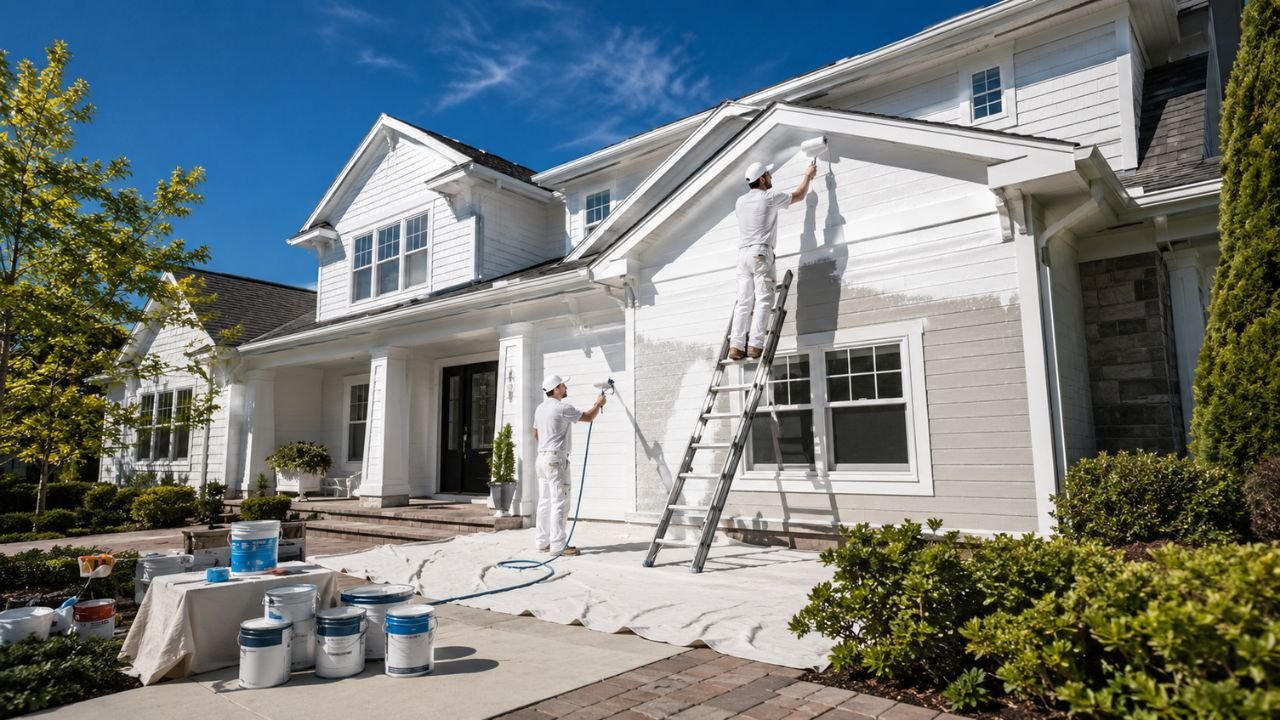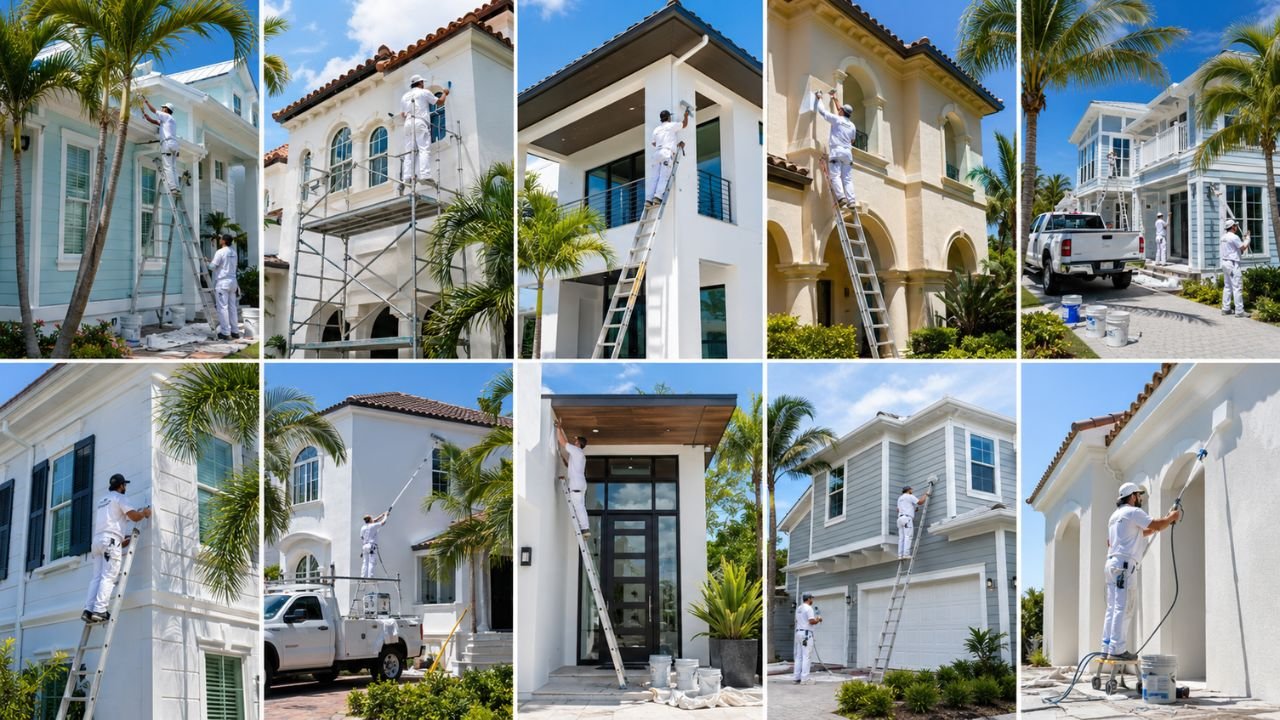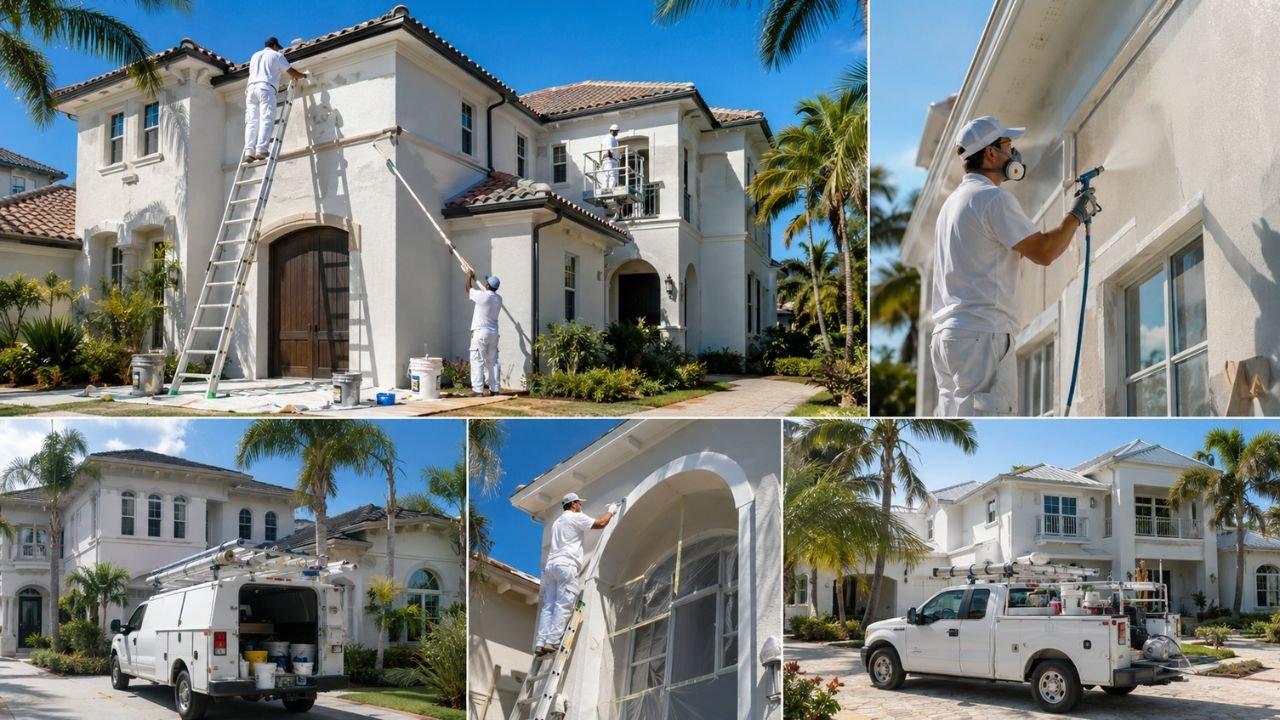
Determining the exterior painting cost per square foot in Florida is a complex calculation that involves more than just a single baseline number. For homeowners and commercial developers alike, understanding the financial landscape of a painting project requires a deep dive into material takeoffs, labor productivity, and the unique environmental demands of the Sunshine State.
In Florida, the “average” cost is often influenced by high humidity, intense UV exposure, and specific substrates like stucco that require specialized coatings. This guide provides a professional breakdown of how costs are calculated, the critical difference between floor area and paintable surface area, and how a detailed quantity takeoff can protect your project’s bottom line. Whether you are bidding on a luxury residential property in Naples or a commercial warehouse in Jacksonville, accuracy in your initial estimate is the foundation of a successful build.
How Much Does Exterior Painting Cost Per Square Foot in Florida?
Directly answering the question of cost requires categorizing the scope of work. Pricing in the Florida market typically falls into ranges based on the level of preparation required and the quality of the materials selected.
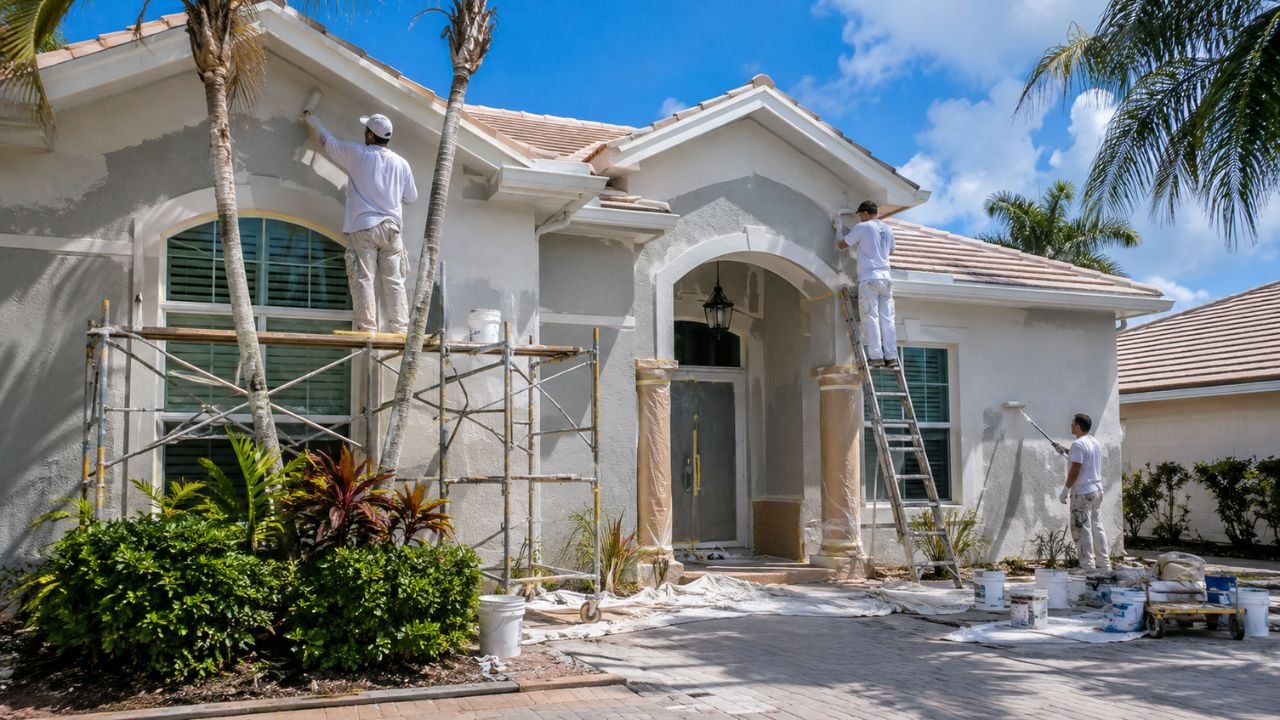
Exterior Painting Cost by Scope
| Exterior Painting Scope | Approx. Cost Per Sq Ft | What May Be Included | Main Cost Drivers |
|---|---|---|---|
| Basic Repaint | $1.75 – $2.50 | Standard pressure wash + 1 coat | Minimal prep, standard paint |
| Moderate Preparation | $2.75 – $4.25 | Cleaning + caulking + 2 coats | Surface cracking, height |
| Extensive Preparation | $4.50 – $6.50+ | Patching + sealing + premium paint | Stucco repair, salt-air prep |
| Premium/High-Complexity | $7.00 – $10.00+ | Specialty coatings + lift access | Architecture, multi-story |
Note: All figures are approximate and based on paintable exterior surface area, not interior floor area. Actual project costs vary based on specific site conditions and current material volatility.
How Is Exterior Painting Cost Per Square Foot Calculated?
A common mistake in the industry is using the wrong denominator. To find the true cost per square foot, professionals use the following formula:
Total Exterior Painting Cost ÷ Total Paintable Exterior Surface Area = Cost Per Square Foot
The “Paintable Exterior Surface Area” is the gross wall area of the building, minus the square footage of “openings” (windows and doors), plus the surface area of trim, soffits, and fascia. Relying on the interior floor area to estimate paint quantities will lead to significant errors, as a two-story home with high gables will have far more paintable surface than a single-story home with the same floor footprint.
Why 2,000 Sq Ft of Floor Area Does Not Mean 2,000 Sq Ft of Paintable Surface
This is a fundamental concept in construction estimating services. A house with 2,000 square feet of interior living space might actually have 2,500 to 3,500 square feet of exterior wall surface depending on its geometry.
For example, a rectangular single-story home has a lower wall-to-floor ratio than a multi-story home with complex bump-outs, gables, and decorative architectural details. When performing a painting quantity takeoff, estimators measure every elevation (North, South, East, West) to ensure that material procurement is based on physical reality, not a generic floor plan.
What Is Included in an Exterior Painting Estimate?
A professional estimate is a comprehensive document that goes far beyond the price of the paint itself. It must account for every step of the process:
- Surface Preparation: Often the most labor-intensive part, including pressure washing, scraping, and sanding.
- Caulking and Patching: Sealing joints and repairing minor cracks in stucco or wood siding.
- Masking and Protection: Using tape and plastic to protect windows, landscaping, and walkways.
- Priming: Essential for new surfaces or where color changes are drastic.
- Coating Application: The labor for applying the specified number of coats (typically two in Florida).
- Equipment and Consumables: Costs for ladders, lifts, brushes, rollers, and drop cloths.
Exterior Painting Cost Components
| Cost Component | Materials | Labor | Main Cost Factors |
|---|---|---|---|
| Cleaning | Bleach/detergents | Wash labor | Algae/mildew buildup |
| Preparation | Caulk, spackle | Scraping/Sanding | Existing paint condition |
| Primer | Masonry/wood primer | Application labor | Substrate porosity |
| Paint | Acrylic/Elastomeric | Application labor | Quality grade + coats |
| Masking | Tape, plastic, paper | Setup/Takedown | Number of windows/doors |
| Equipment | Fuel, consumables | Setup/Moving | Building height/slopes |
Exterior Paint Material Cost
Material costs in Florida are currently subject to a 5-12% year-over-year increase. The choice of coating is critical for longevity in a tropical climate.
- Exterior Acrylic Paint: The standard for most residential projects, offering good breathability and UV resistance.
- Elastomeric Coatings: Thick, flexible coatings ideal for Florida stucco, as they can bridge small hairline cracks and provide superior waterproofing.
- Masonry Primers: Used to neutralize the pH levels of fresh concrete or stucco before painting.
- Caulking and Sealants: High-quality urethane or siliconized acrylics are necessary to withstand the expansion and contraction caused by heat.
Exterior Painting Labor Cost
In Florida, labor typically accounts for 60% to 75% of the total project cost. Skilled labor rates for painting can vary significantly between markets like Miami and more rural areas. Factors that drive labor costs include:
- Building Height: Working on a second or third story requires more time for ladder movement and safety protocols.
- Surface Condition: A building that hasn’t been painted in 10 years will require significantly more scraping and prep than one that is simply being refreshed.
- Architectural Detail: Intricate trim, corbels, and multiple color changes slow down the application process.
Surface Preparation and Its Impact on Cost
Preparation is the difference between a coating that lasts two years and one that lasts ten. In Florida’s moist environment, preparation must address specific biological and structural issues.
Pressure Washing
Standard practice in Florida to remove salt air, dirt, and mildew. Failure to clean the surface properly will result in poor paint adhesion.
Scraping and Sanding
Necessary for wood or older masonry surfaces where the previous coating is failing or “chalking”.
Caulking and Patching
Critical for maintaining a building’s envelope. In High-Velocity Hurricane Zones (HVHZ), ensuring that windows and doors are properly sealed is a regulatory and functional requirement.
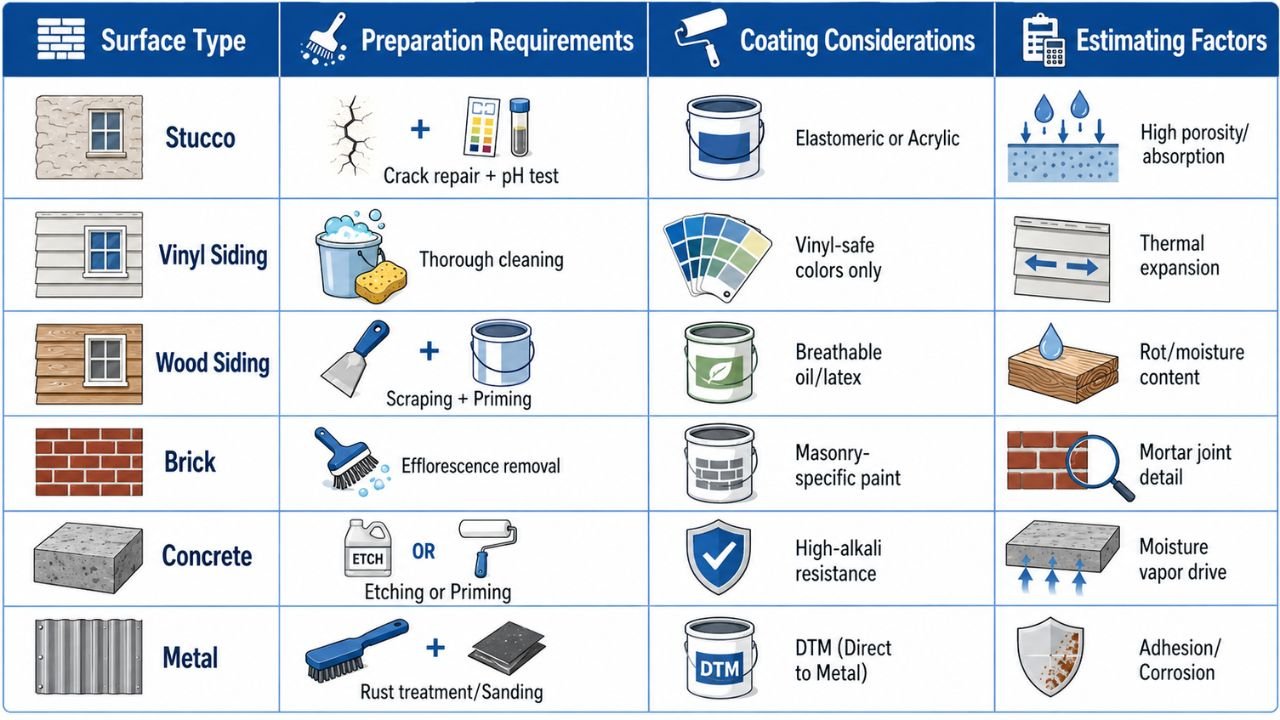
Exterior Painting Cost by Surface Type
The substrate being painted determines the material takeoff requirements and the application method.
Surface Type Comparison
| Surface | Preparation Requirements | Coating Considerations | Estimating Factors |
|---|---|---|---|
| Stucco | Crack repair + pH test | Elastomeric or Acrylic | High porosity/absorption |
| Vinyl Siding | Thorough cleaning | Vinyl-safe colors only | Thermal expansion |
| Wood Siding | Scraping + Priming | Breathable oil/latex | Rot/moisture content |
| Brick | Efflorescence removal | Masonry-specific paint | Mortar joint detail |
| Concrete | Etching or Priming | High-alkali resistance | Moisture vapor drive |
| Metal | Rust treatment/Sanding | DTM (Direct to Metal) | Adhesion/Corrosion |
Single-Story vs. Two-Story Exterior Painting Cost
A two-story home will almost always have a higher exterior painting cost per square foot in Florida than a single-story home, even if the total paintable area is identical.
- Single-Story: Most work can be done from the ground or short ladders, resulting in higher crew productivity.
- Two-Story: Requires taller ladders, scaffolding, or articulating lifts. The “dead time” spent moving heavy equipment and ensuring safety adds 15-25% to the labor budget.
Florida-Specific Factors Affecting Estimates
Florida presents a unique set of challenges that estimators in other states rarely face.
- UV Exposure: The intense Florida sun breaks down paint binders quickly. High-quality UV-resistant pigments are a necessity.
- Humidity and Rain: Painters must work around the “rainy season” (June–October). Moisture in the substrate can lead to bubbling or blistering if not allowed to dry properly.
- Coastal Salt Exposure: Properties within five miles of the coast require specialized coatings and more frequent cleaning to prevent structural corrosion under the paint film.
Residential vs. Commercial Painting
| Factor | Residential | Commercial |
|---|---|---|
| Building Size | 1,500 – 5,000 Sq Ft | 10,000 – 100,000+ Sq Ft |
| Access | Residential ladders | Lifts, swings, scaffolding |
| Schedule | Daytime/Weekday | Often nights or weekends |
| Estimating | Visual/Manual measurements | Detailed bluebeam estimating |
| Warranty | Manufacturer + Workmanship | Complex performance bonds |
How Much Paint Is Needed for an Exterior?
To avoid the “hidden” costs of over-ordering, estimators use precise formulas for material takeoffs.
Required Paint Quantity = (Paintable Surface Area ÷ Coverage Rate) × Number of Coats
Standard exterior paint typically covers 250 to 400 square feet per gallon. However, on highly porous stucco or textured surfaces, that coverage can drop to 150 square feet per gallon. A professional takeoff accounts for this “waste factor” to ensure you don’t run out of material mid-project.
The Painting Quantity Takeoff Process
Estimate Florida follows a structured methodology to ensure every client receives an actionable report.
- Review Plans: Analyzing architectural elevations and schedules.
- Measure Surfaces: Using digital tools like PlanSwift to find exact gross areas.
- Subtract Openings: Deducting windows and doors to find the “net” paintable area.
- Calculate Trim: Measuring linear feet of trim, eaves, and fascia.
- Determine Material Needs: Applying coverage rates to find total gallons of primer and paint.
- Analyze Labor: Factoring in height, prep needs, and regional labor rates.
Factors That Increase Exterior Painting Costs
- Lead-Based Paint: Common in pre-1978 homes, requiring expensive containment and disposal.
- Color Transitions: Going from a dark color to a light color may require multiple coats of primer and paint.
- Access Constraints: Buildings with tight lot lines or steep slopes that prevent easy ladder placement.
Factors Affecting Exterior Painting Cost
| Factor | Why It Matters | Potential Effect on Estimate |
|---|---|---|
| Surface Texture | Affects material absorption | Increases paint volume by 20% |
| Multiple Colors | Requires more masking/cleaning | Increases labor by 10-15% |
| Access/Height | Slows production/equipment costs | Increases total bid by 15-25% |
| Florida UV/Salt | Requires premium coatings | Increases material cost by 30% |
Common Mistakes When Estimating Painting Costs
- Using Floor Area: As discussed, this consistently underestimates the material needed.
- Ignoring Preparation: Assuming a “clean” surface often leads to change orders when the painter discovers peeling paint or cracks.
- Underestimating Equipment: Forgetting the daily rental cost of a 60-foot boom lift for a commercial project can erase profit margins.
How Estimate Florida Can Help With Exterior Painting Estimates
If you are planning an exterior painting project in Florida and need detailed material quantities, painting quantity takeoffs, or a project-specific construction estimate, Estimate Florida can provide professional support.
Our team of expert estimators uses industry-leading software like PlanSwift and Bluebeam to deliver 98-99% accurate quantity takeoffs. We help contractors, developers, and property owners understand their true material requirements and labor scope before the first drop of paint is ever applied.
Frequently Asked Questions
What is the exterior painting cost per square foot in Florida?
While costs vary, a typical range is $2.50 to $5.50 per paintable square foot, depending on prep and material quality.
Does exterior painting cost per square foot include labor?
Yes, most professional estimates include both labor and materials, though some contractors provide labor-only quotes if the owner provides the paint.
How do you calculate paintable square footage?
Measure the total height and width of all exterior walls, subtract the area of windows and doors, and add the surface area of the trim.
Is exterior painting priced using the home’s floor area?
No. Professional estimators always use the actual vertical surface area of the walls, as floor area does not reflect the building’s height or complexity.
How much paint is needed for an exterior?
Typically, one gallon covers 250–350 square feet. For a 2,000 sq ft home (floor area), you may need between 15 and 25 gallons per coat.
Does surface preparation increase painting costs?
Significantly. Preparation can account for up to 40% of the total labor budget if the building requires extensive scraping or stucco repair.
Does painting a two-story house cost more?
Yes, usually 15-25% more per square foot due to the added time for ladder and equipment setup.
How does Florida weather affect estimates?
UV rays and humidity require premium paints and specific “weather windows” for application, which can impact scheduling and material costs.
Can Estimate Florida provide an exterior painting quantity takeoff?
Yes. We specialize in providing detailed material and quantity takeoffs from blueprints or physical measurements for all types of Florida buildings.
What is included in a professional estimate?
It should include pressure washing, surface prep, masking, primer, two coats of paint, labor, equipment, and cleanup.