Plumbing represents one of the most critical mechanical line items in commercial and residential construction, accounting for anywhere from 8% to 15% of a project’s total trade budget. For developers, general contractors, and real estate investors working in the Sunshine State, planning an accurate budget for apartments, condominiums, townhomes, or mixed-use developments requires a deep understanding of local market dynamics. Using a dedicated multi family building plumbing cost estimator in Florida provides project leaders with a structured financial roadmap to evaluate site feasibility, analyze subcontractor bids, and maintain profitability.
Unlike single-family home construction, multifamily plumbing systems involve complex vertical distribution networks, high-density wet stacks, central mechanical infrastructure, and strict municipal utility requirements. From coastal flood zones in South Florida to rapid suburban developments in Central Florida, building costs fluctuate based on regional labor rates, structural designs, and state-mandated building codes. This comprehensive guide outlines the realistic costs, structural variables, and Florida-specific regulations essential for building an accurate multifamily plumbing budget.
What Is a Multi Family Building Plumbing Cost Estimator in Florida?
A multi family building plumbing cost estimator in Florida is an analytical budgeting tool and estimating methodology used to forecast the total direct and indirect expenses of installing or upgrading plumbing systems in multi-unit residential structures.
Rather than relying on generic square-foot averages, a localized estimator evaluates a project based on unit density, fixture counts, structural frame types, and building height. It separates costs into distinct trade phases—such as underground site utilities, vertical risers, interior rough-in, and final trim-out. By factoring in regional variables like Florida’s High-Velocity Hurricane Zone (HVHZ) requirements, municipal impact fees, and local labor indices, a Florida-focused cost estimator helps developers establish realistic budgets long before final construction documents are issued. Ultimately, it helps you compare different scopes of work and prevents the disastrous consequences of underbudgeting.
Average Multifamily Plumbing Cost in Florida
Plumbing costs for multifamily buildings in Florida typically range from $6,000 to $18,000 per unit, or approximately $8 to $22 per square foot of gross building area. The wide variance depends on whether the structure is a low-rise garden-style apartment using cost-effective PEX piping or a high-rise luxury condominium requiring cast-iron drainage stacks, booster pumps, and premium fixtures.
Below is a breakdown of estimated cost ranges by construction scope:
| Construction Scope | Cost Per Unit (Average) | Cost Per Square Foot | Key Scope Components |
| Site Utilities & Main Tie-Ins | $1,000 – $3,000 | $1.20 – $3.50 | Water main taps, sewer lateral connections, backflow vaults, fire line taps |
| Underground / Slab Rough-In | $1,500 – $3,500 | $1.80 – $4.00 | Groundwork piping, floor drains, main waste/vent lines below concrete slab |
| Top-Out / In-Wall Rough-In | $2,500 – $6,500 | $3.00 – $8.00 | Vertical risers, branch supply lines, drainage stacks, shower valves, vent lines |
| Finish Trim & Fixtures | $1,200 – $4,500 | $1.50 – $5.00 | Water closets, vanities, faucets, tubs, garbage disposals, water heaters |
| Full New Construction System | $6,200 – $17,500 | $7.50 – $20.50 | Turnkey labor, materials, equipment, and testing for a complete build |
| Renovation / Retrofit Repipe | $8,000 – $20,000+ | $10.00 – $25.00+ | Demolition, repiping (polybutylene or cast iron replacement), wall patching |
Plumbing Cost by Multifamily Building Type
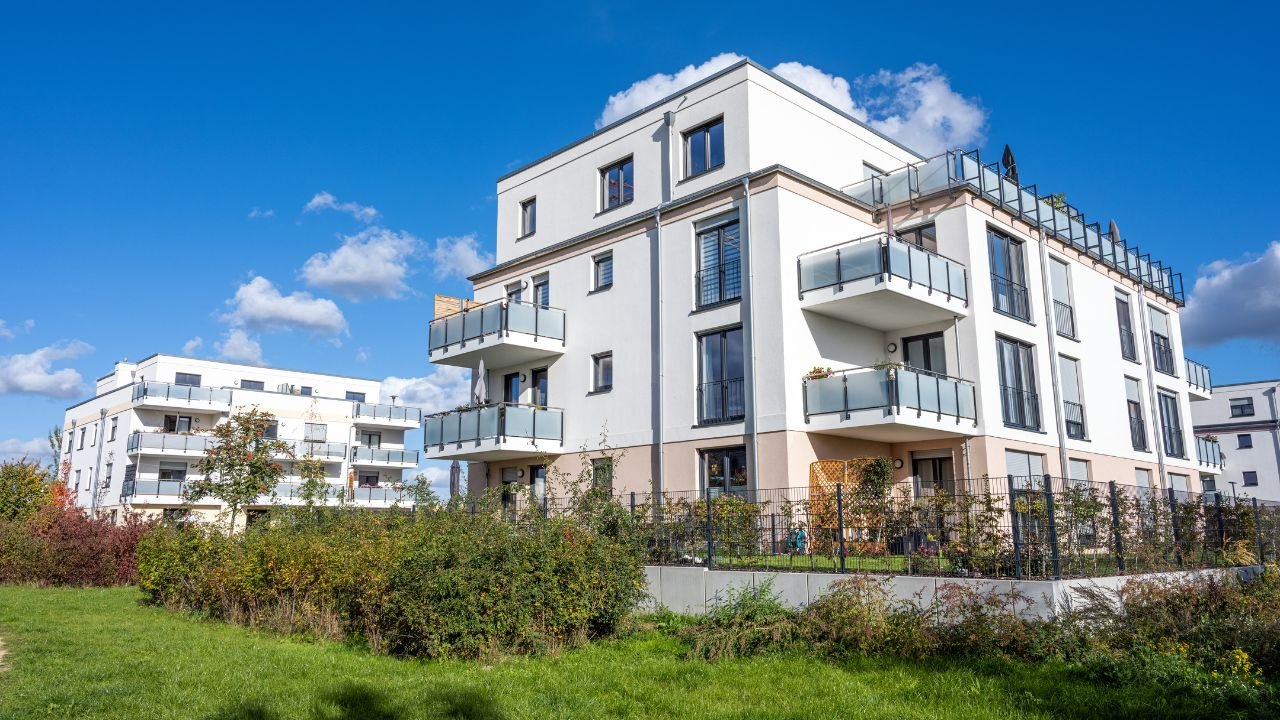
Different multifamily building typologies impose drastically different demands on plumbing design, pipe sizing, and installation labor. Your Florida multifamily plumbing estimate will shift heavily based on the following building classes.
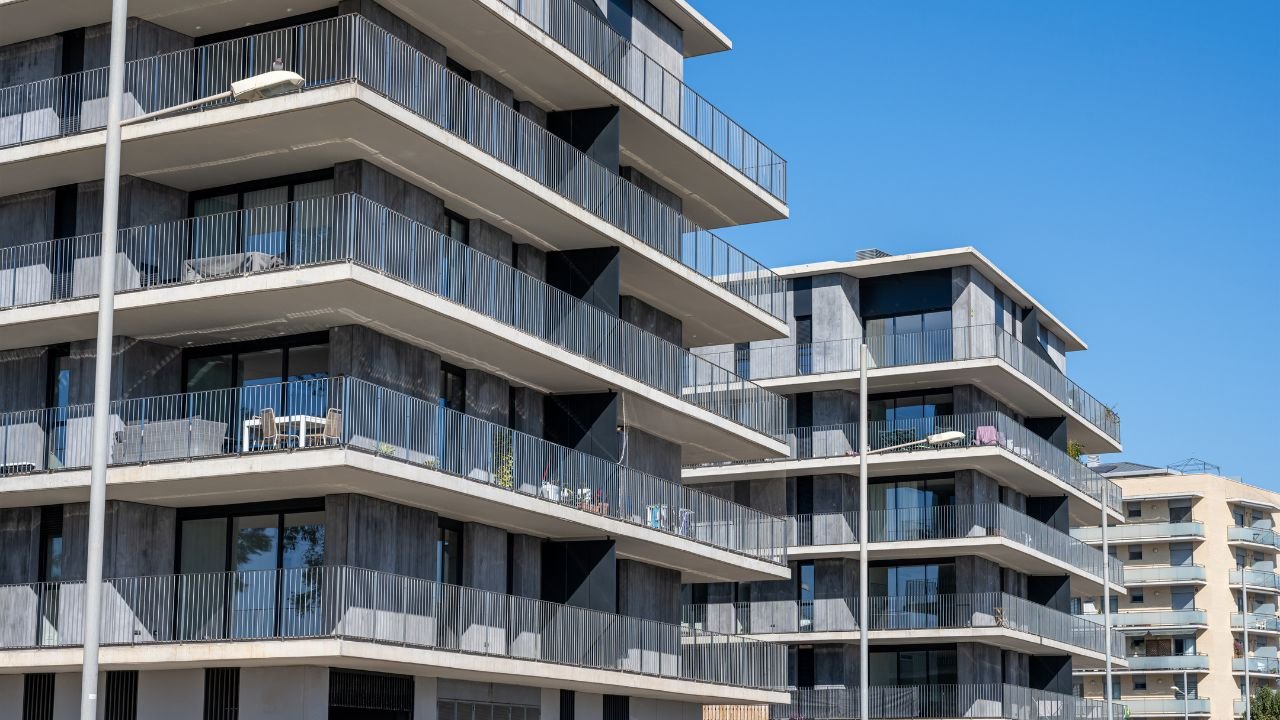
Apartments (Garden-Style vs. Mid-Rise)
Garden-style apartments (typically 2 to 3 stories) are the most economical multifamily structures to plumb. Utilizing wood-frame construction allows plumbers to run flexible PEX supply lines and PVC drain-waste-vent (DWV) systems efficiently without boring through thick concrete decks. Costs for turnkey plumbing in garden-style units generally range from $6,000 to $9,500 per unit.
Mid-rise apartments (4 to 6 stories, often built over a concrete parking podium) require higher-capacity water pressure boosters, larger vertical drainage stacks, and dedicated fire-stopping assemblies at every floor penetration. Plumbing for mid-rise apartments averages $9,000 to $14,000 per unit.
Condominiums
Condominium developments frequently feature upgraded floor plans, additional half-baths, luxury master suites, and high-end architectural fixtures. Furthermore, high-rise luxury condos require heavy cast-iron soil stacks to mute sound transmission between living units, which drastically increases material and labor costs. Turnkey plumbing for condominium projects in Florida ranges from $11,000 to $18,000+ per unit.
Townhomes
Townhome developments consist of multi-story units attached laterally. Because each townhome often requires individual water utility meters, dedicated sewer laterals to the street, and independent water heaters, site utility work and underground trenching represent a higher percentage of the overall budget. Plumbing costs for townhomes range from $7,500 to $13,000 per unit.
Duplexes
Duplex structures represent low-density residential construction. Because they feature only two living units on a single slab-on-grade foundation, contractor mobilization is simple, and piping runs are very short. Plumbing for a standard Florida duplex typically ranges from $12,000 to $20,000 total ($6,000 to $10,000 per living unit).
Mixed-Use Multifamily Developments
Mixed-use projects combining ground-floor retail or restaurant space with residential units above carry unique mechanical demands. Commercial food service tenants require massive underground grease interceptors, dedicated commercial waste stacks, and high-capacity gas piping. The residential units above must be completely isolated from these commercial utilities. Mixed-use residential plumbing averages $10,000 to $16,000 per unit, plus separate commercial shell plumbing allowances.
Shell Buildings
Cold shell buildings involve laying the primary underground waste lines, bringing domestic water supply lines into the main mechanical room, and capping utility stubs for future tenant build-out. Shell plumbing costs range from $3.00 to $6.00 per square foot.
What Affects Multifamily Plumbing Cost in Florida?
Understanding the variables that influence a multifamily plumbing contractor estimate allows developers to optimize system design during the pre-construction phase. Below are the primary cost drivers categorized for quick reference:
| Category | Key Variables Affecting Cost |
| Unit Layout & Density | Number of bathrooms and kitchens, wet-stack alignment (stacking floors), submetering requirements. |
| Building Height | Need for domestic booster pumps, distinct pressure zones, and expensive floor-penetration firestopping. |
| Material Grades | PEX vs. CPVC/Copper for supply lines; standard PVC vs. Cast Iron for noise-reducing waste lines. |
| Hot Water Systems | Central commercial boilers vs. individual electric tank heaters vs. individual gas tankless units. |
| Site Conditions | Distance to municipal utility taps, high water table levels (requiring dewatering), and soil types. |
Unit Count and Fixture Density
Plumbing contractors calculate material and labor requirements primarily on a per-fixture basis. A 1,000-square-foot, two-bedroom, two-bathroom apartment contains approximately 14 to 16 plumbing fixtures (water closets, lavatories, showers, kitchen sink, dishwasher, washing machine box, water heater, hose bibbs). Increasing bathroom counts directly inflates rough-in labor and material demands.
Building Height and Vertical Risers
As a building exceeds three stories, standard gravity-fed municipal water pressure becomes insufficient. Structures standing four stories or higher require specialized mechanical equipment, including variable-speed domestic water pressure booster pump packages ($25,000 – $75,000+), pressure-reducing valve (PRV) stations to prevent pipe damage on lower floors, and heavy-gauge vertical riser pipes.
Hot Water System Infrastructure
Developers must choose between decentralized and centralized hot water strategies. Individual electric tank water heaters have the lowest upfront installation cost ($1,200 – $2,000 per unit) but consume valuable floor space. Central boiler systems with continuous recirculation loops are common in high-rise or high-density luxury projects. While they require commercial boilers and storage tanks ($1,500 – $3,500 per unit equivalent), they deliver superior energy efficiency and save interior square footage.
Florida-Specific Plumbing Cost Factors
Executing plumbing projects in Florida requires navigating environmental conditions and regulatory frameworks distinctly different from other parts of the country.
Slab-on-Grade & Post-Tensioned (PT) Slabs
The vast majority of low-rise Florida buildings utilize concrete slab-on-grade foundations, while mid-rise and high-rise structures utilize post-tensioned elevated concrete decks.
-
Slab-on-Grade: All underground waste and drain lines must be laid in sand trenches and inspected before pouring concrete. Misaligned pipes require jackhammering concrete later, heavily inflating labor costs.
-
Post-Tensioned Decks: Plumbers must install high-density sleeve penetrations before the deck pour. Coring a PT slab after the pour runs extreme risk of cutting structural high-strength steel tendons, requiring expensive X-ray scanning ($500 – $1,200 per location) and structural engineering repairs.
High Water Tables & Coastal Dewatering
Florida’s high water table—particularly in coastal zones like Miami, Fort Lauderdale, Tampa, and Jacksonville—complicates underground utility installation. Deep trenching for main sewer laterals, stormwater retention, or grease traps often requires continuous mechanical dewatering systems ($3,000 – $15,000+ per site setup) and trench shoring to prevent collapse in saturated sandy soil.
Coastal Corrosion & Salt Air Exposures
Coastal environments demand corrosion-resistant materials for exterior-mounted backflow preventers, rooftop plumbing vents, and natural gas piping. Exposed gas lines near salt water must be specially coated or wrapped, and outdoor brass valves must meet strict marine-grade specification standards, which increases material supply budgets.
Florida Building Code (FBC) & Local Utility Mandates
The Florida Building Code (FBC) enforces strict water conservation rules, mandating maximum flow rates for showerheads, lavatory faucets, and water closets. Additionally, municipal water authorities across Florida (such as Miami-Dade Water and Sewer Department) require double-check detector assemblies or reduced-pressure principle (RPZ) backflow preventers installed in concrete vaults at property boundaries. This adds $5,000 to $25,000 in site utility infrastructure per building.
Multifamily Plumbing Cost Estimator Examples
To illustrate how these factors compile into a overall project budget, review these five practical scenarios calculated for Florida markets.
Scenario 1: 2-Unit Duplex (Ground-Up, Slab-on-Grade)
-
Specs: Single-story duplex, 2 bedrooms/2 baths per unit (total 4 baths, 2 kitchens, 2 water heaters). Standard PVC DWV and PEX supply piping.
-
Underground Work: $3,200
-
In-Wall Rough-In: $6,400
-
Finish Trim & Fixtures: $4,800
-
Permits & Utilities: $2,100
-
Total Estimated Plumbing Budget: $16,500 ($8,250 per unit)
Scenario 2: 24-Unit Garden-Style Apartment (3-Story Wood Frame)
-
Specs: 24 units averaging 1.5 baths each. PEX water lines, PVC waste lines, individual 40-gallon electric water heaters, standard builder-grade chrome fixtures.
-
Site Utilities & Ties: $38,000
-
Plumbing Rough-In & Top-Out: $86,000
-
Finish Trim-Out & Fixtures: $48,000
-
Submetering Hardware: $9,600
-
Total Estimated Plumbing Budget: $181,600 ($7,566 per unit)
Scenario 3: 60-Unit Mid-Rise Condominium (5 Stories over Concrete Podium)
-
Specs: Luxury 2-bedroom/2-bath floor plans. Cast-iron vertical stacks for soundproofing, PEX supply, central gas boiler system, booster pump package, upgraded brushed nickel fixtures.
-
Site Utilities & Vaults: $65,000
-
Booster Pump & Central Boilers: $110,000
-
Underground & Riser Piping: $240,000
-
Unit In-Wall Rough-In: $180,000
-
Finish Trim & Fixtures: $135,000
-
Total Estimated Plumbing Budget: $730,000 ($12,166 per unit)
Scenario 4: 12-Unit Luxury Townhome Community
-
Specs: 3-story townhomes, 3.5 baths per unit, high-end quartz-mount sinks, tankless gas water heaters, individual municipal water meter taps.
-
Site Utilities & Individual Taps: $48,000
-
Rough-In & Gas Piping: $72,000
-
Finish Trim & Luxury Fixtures: $54,000
-
Total Estimated Plumbing Budget: $174,000 ($14,500 per unit)
Scenario 5: Mixed-Use 30-Unit Building with Ground-Floor Restaurant Shell
-
Specs: 4-story building, 30 residential units above 2 commercial spaces. Includes a 1,500-gallon underground grease trap and dedicated commercial waste stack.
-
Commercial Grease Interceptor & Site Utilities: $45,000
-
Commercial Core & Shell Connections: $32,000
-
Residential Units Turnkey Plumbing: $285,000
-
Total Estimated Plumbing Budget: $362,000 ($12,066 per residential unit equivalent)
Rough-In vs Fixture Installation vs Full System Plumbing
Plumbing scope is executed across distinct construction phases. Contracts must clearly delineate between these phases to prevent scope gaps during subcontractor bidding.
| Construction Phase | Percentage of Trade Budget | Major Work Included |
| 1. Underground / Ground Rough-In | 15% – 25% | Sewer mains below the slab, building drains, and concrete sleeves. |
| 2. Top-Out / In-Wall Rough-In | 45% – 55% | Vertical stacks, risers, branch water supply lines, tub and shower valves. |
| 3. Finish Trim-Out (Fixture Install) | 25% – 35% | Setting water closets, sinks, faucets, water heaters, and final testing. |
A full system plumbing contract covers all three phases as a turnkey package. However, in mixed-use or shell buildings, developers often only hire a plumber for Phase 1 and 2, leaving the future tenant to hire their own plumber for Phase 3 during their specific build-out.
Hidden Plumbing Costs to Include
Omissions in initial preliminary estimates can severely erode your project margins. Ensure your financial modeling accounts for these soft costs and ancillary trade requirements:
-
Permit Fees and Tap Charges: Local water and sewer authorities charge connection fees to fund regional infrastructure. In fast-growing Florida counties, municipal tap fees can range from $3,000 to $12,000+ per unit.
-
Dewatering & Site Trench Shoring: As mentioned, excavating deep sewer laterals in sandy Florida soil requires continuous pumping equipment and trench safety boxes.
-
Demolition and Restoration: In retrofit projects, plumbers cut open walls to replace pipes, but they do not patch drywall or paint. You must budget for separate trades to restore the walls.
-
Fire Suppression System Tie-Ins: If utilizing residential fire sprinkler systems, primary water supply tie-ins and backflow preventers must be coordinated between plumbing and fire protection trades.
-
Acoustic Insulation for Waste Stacks: Wrapping PVC drain pipes with sound-dampening mineral wool or mass-loaded vinyl (MLV) adds $150 to $400 per bathroom stack if cast iron is not selected.
-
Post-Tensioned Deck Scanning: If sleeves are displaced during concrete pours, scanning PT decks with Ground Penetrating Radar (GPR) before coring is an essential, highly expensive safety measure.
-
Contingency for Unforeseen Conditions: Always hold a 10% plumbing contingency during the design phase for unexpected routing changes or utility tap discoveries.
How to Use a Multi Family Building Plumbing Cost Estimator in Florida Correctly
To maximize accuracy when building an early plumbing budget Florida developers can rely on, follow this structured approach:
-
Estimate by Fixture Count, Not Square Footage: Square-foot multipliers are inherently unreliable for plumbing. Calculate the actual number of fixtures across all unit types (e.g., 50 units × 14 fixtures = 700 total fixtures) to establish a baseline material takeoff.
-
Separate Site Utilities from Building Mechanicals: Never lump outdoor sewer laterals, backflow vaults, and water meter banks into the interior plumbing budget. Keep civil utility line items distinct.
-
Adjust for Building Construction Type: Apply cost multipliers based on structural framing: wood-frame (baseline), light-gauge steel (+8%), concrete block/CMU (+12%), and post-tensioned concrete decks (+18%).
-
Incorporate Location-Specific Labor Multipliers: Labor rates in South Florida (Miami-Dade, Broward) and Central Florida (Orlando, Tampa) sit 10% to 22% higher than rural markets in the Florida Panhandle or North Florida.
-
Compare Itemized Quotes: When transitioning from estimates to bidding, ensure your subcontractors itemize their bids so you can see exactly how much they are charging for rough-ins versus final fixtures.
Tips to Control Multifamily Plumbing Costs in Florida
Value engineering during the design phase yields substantial savings without compromising build quality or safety codes.
-
Standardize Unit Floor Plans: Limit the number of distinct unit floor plans. Standardizing bathroom and kitchen layouts allows plumbing subcontractors to pre-fabricate copper or PEX manifolds off-site, drastically cutting jobsite labor hours.
-
Stack Bathrooms and Kitchens Efficiently: Design adjacent apartments so their kitchens and bathrooms share a common utility wall, and ensure wet rooms align perfectly floor-to-floor. Staggering a 3rd-floor kitchen over a 2nd-floor bedroom creates horizontal pipe offsets, adding substantial material, structural framing drops, and acoustic risks.
-
Specify PEX Water Distribution: Utilize PEX-a or PEX-b piping for domestic water lines inside living units wherever permitted by code. PEX eliminates expensive copper fittings, reduces jobsite theft risks, and speeds up rough-in labor.
-
Confirm Code Requirements Early: Engage with municipal planners to determine exact backflow and grease interceptor requirements before your site plan is finalized.
Where to Get Help With Plumbing Estimating
Calculating material quantities, pipe sizing, vertical riser losses, and regional labor hours for a multi-unit project requires specialized technical expertise. Conceptual errors during early budgeting can lead to severe cost overruns or uncompetitive contractor bids.
Project developers and general contractors requiring detailed, line-item Division 22 cost calculations can benefit immensely from professional plumbing estimating services. Utilizing dedicated estimators or a professional new construction plumbing cost estimator ensures your financial modeling reflects current, real-time Florida material pricing, accurate labor productivity rates, and proper allowance structures for underground site utilities.
Final Thoughts
Establishing a realistic plumbing budget for a multifamily project in Florida requires balancing unit density, mechanical system choices, structural framing, and strict local building regulations. Whether you are building a garden-style apartment complex in Jacksonville, a luxury oceanfront condominium in West Palm Beach, or a townhome community in Tampa, accurate cost forecasting is essential for securing construction financing and protecting your profit margins.
Utilizing a structured multi family building plumbing cost estimator in Florida gives developers and contractors the analytical leverage needed to optimize mechanical designs, compare trade quotes fairly, and avoid unexpected financial exposure. By standardizing unit layouts, stacking wet rooms vertically, and accounting for local Florida site conditions early, project teams can deliver high-performing plumbing systems on schedule and firmly within budget.