Plumbing is universally recognized as one of the most critical, highly regulated, and cost-intensive items in commercial construction. Whether you are breaking ground on a sprawling medical facility in Orlando or retrofitting an existing retail space in Miami, understanding your plumbing costs early is crucial to your project’s financial viability.
However, coming up with a realistic budget is rarely as simple as looking at a generic national average. Commercial plumbing costs vary drastically depending on the building type, the total fixture count, the system’s overall complexity, and the stringent demands of Florida’s building codes.
To help developers, general contractors, and facility owners navigate this complex trade, this guide works like a practical commercial building plumbing cost estimator in Florida. By breaking down location-specific cost factors, comparing different commercial building types, and revealing the hidden costs that derail budgets, this article will help you plan your commercial plumbing projects more accurately and confidently.
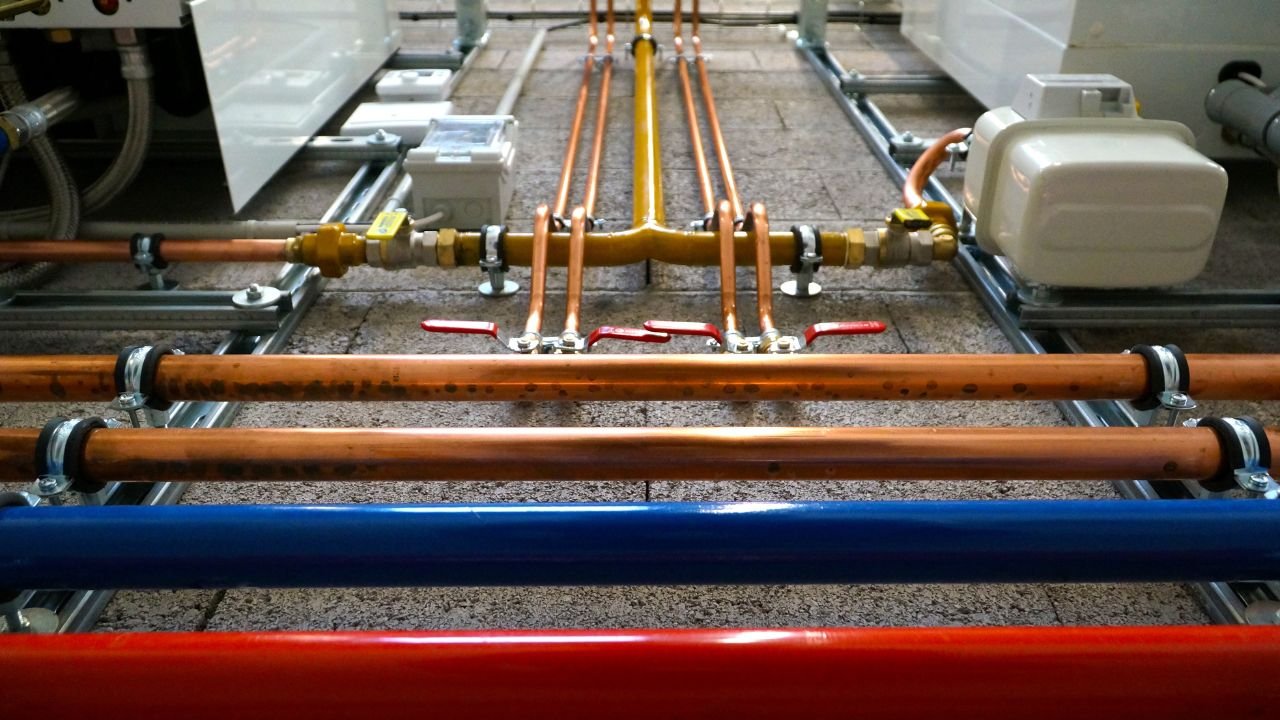
What Is a Commercial Building Plumbing Cost Estimator in Florida?
In the construction industry, a commercial building plumbing cost estimator in Florida is a strategic budgeting method or planning tool used to calculate the anticipated costs of plumbing work before final, binding bids are requested from subcontractors.
Rather than relying on a blind guess, a true cost estimator breaks the plumbing scope down into quantifiable metrics—such as the cost per square foot, the cost per fixture, or the cost by linear foot of piping. By utilizing this tool during the conceptual or design development phases, project stakeholders can accurately compare different project scopes, evaluate the financial impact of premium fixtures or specialty systems (like commercial grease traps), and avoid the dangerous trap of underbudgeting.
Ultimately, a localized estimating framework ensures that Florida’s unique environmental and regulatory factors are baked into the budget from day one, preventing costly surprises once construction begins.
Average Commercial Plumbing Cost in Florida
Before diving into the specifics of your building type, it helps to understand the broad baseline costs associated with commercial plumbing in the Sunshine State. Keep in mind that these ranges vary widely based on the project type, access, and overall complexity.
-
Rough-In Plumbing: $4 – $8 per square foot. This covers laying the underground pipes, setting the framework inside the walls, and bringing utility connections to their designated fixture locations before drywall is installed.
-
Fixture Installation (Finish Plumbing): $300 – $1,200+ per fixture. This covers the final installation of commercial toilets, sinks, urinals, and faucets, depending on the quality of the fixtures.
-
Full Plumbing Systems (Turnkey): $8 – $15+ per square foot for standard commercial spaces. This includes both rough-in and finish phases for a complete, operational system.
-
Tenant Improvements (TI): $6 – $12+ per square foot. Converting an existing space usually involves tapping into existing core plumbing, making it slightly more predictable unless heavy trenching is required.
-
New Construction Plumbing: $7 – $20+ per square foot. The comprehensive cost to plumb a building from the underground phase up to final inspection.
-
Remodel or Retrofit Work: Costs fluctuate wildly here. Retrofitting plumbing in an active commercial building or a historic property often requires concrete cutting or ceiling removal, which can push costs 20% to 40% higher than new construction.
Plumbing Cost by Commercial Building Type
Because building usage dictates plumbing density, relying purely on a generic commercial plumbing cost per square foot is dangerous. A warehouse requires a fraction of the plumbing that a restaurant needs. Here is a breakdown of estimated cost ranges based on commercial building types:
Office Buildings
-
Estimated Cost: $8 – $14 per square foot.
-
Standard office buildings rely on centralized core restrooms (often stacked in multi-story buildings), a few breakroom sinks, and basic water fountains. The centralized nature of the plumbing keeps costs relatively moderate.
Retail Stores
-
Estimated Cost: $6 – $12 per square foot.
-
Retail spaces usually require minimal plumbing—typically limited to employee and customer restrooms in the back of the store. If the retail space requires salon sinks or pet grooming tubs, the cost will increase rapidly.
Restaurants
-
Estimated Cost: $20 – $40+ per square foot.
-
Restaurants are incredibly plumbing-intensive. They require multiple customer restrooms, bar sinks, floor drains, commercial dishwashing stations, heavy-duty gas lines, and specialized grease interceptors. This density makes them one of the most expensive commercial spaces to plumb.
Warehouses
-
Estimated Cost: $4 – $8 per square foot.
-
Warehouses represent the lower end of the cost spectrum. A 50,000-square-foot facility might only have two small restrooms and a mop sink. Because the footprint is massive but the fixture count is tiny, the cost per square foot is diluted.
Medical and Specialty Facilities
-
Estimated Cost: $25 – $50+ per square foot.
-
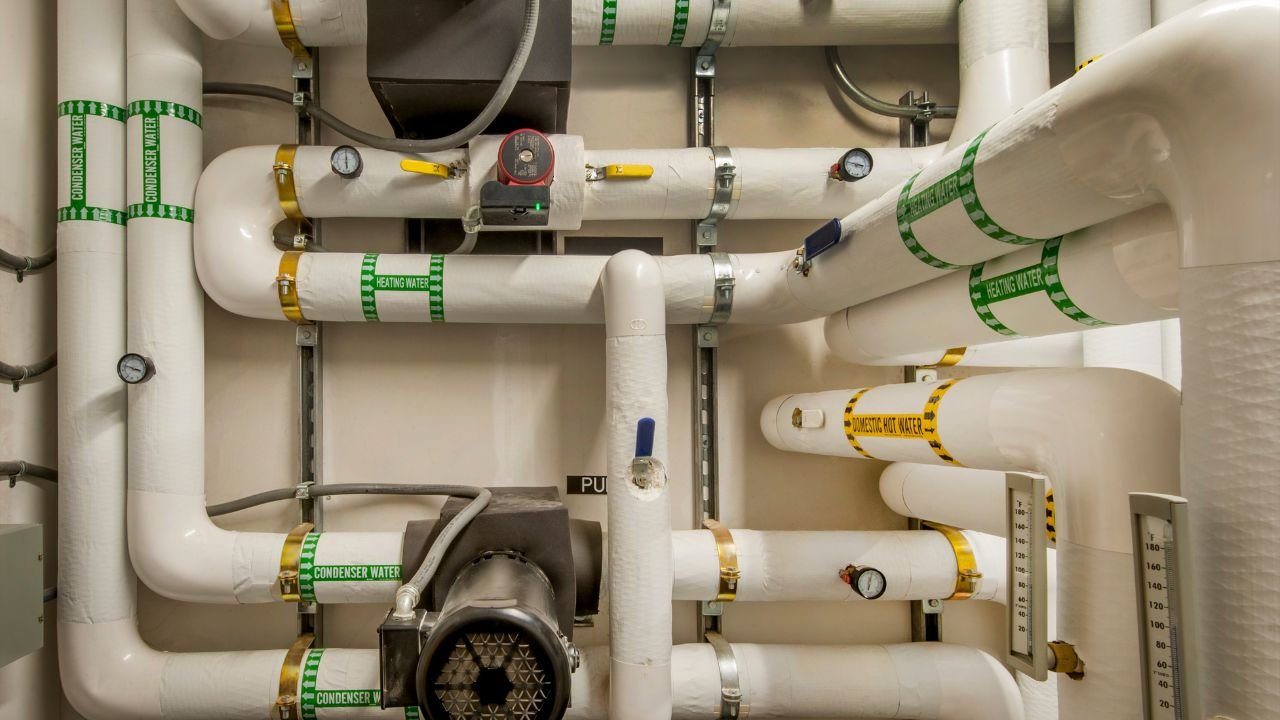
Healthcare facilities demand extreme precision. They require dense plumbing networks (sinks in every exam room), medical gas piping, specialized infection-control fixtures, and strict adherence to Agency for Health Care Administration (AHCA) standards in Florida.
Shell Buildings
-
Estimated Cost: $3 – $7 per square foot.
-
A “cold dark shell” only requires bringing the main water and sewer lines to the building footprint and stubbing them out for future tenants.
Tenant Improvements
-
Estimated Cost: $6 – $18 per square foot.
-
TI costs depend entirely on the tenant’s needs. Converting a retail shell into a dental office requires extensive concrete trenching, driving costs toward the higher end of the spectrum.
What Affects Commercial Plumbing Cost in Florida?
Your Florida commercial plumbing estimate will be shaped by a unique combination of structural, material, and regulatory factors. When putting together your budget, pay close attention to the following:
-
Number of Restrooms and Fixtures: Plumbing contractors often build their estimates based on fixture counts. The more sinks, toilets, and floor drains you require, the higher the total cost.
-
Building Size: Larger buildings require longer pipe runs, more underground trenching, and larger diameter main utility lines, which increases both material and labor costs.
-
Pipe Material: Using PEX or PVC is cost-effective. Upgrading to commercial-grade cast iron (required in some commercial applications for noise reduction or fire codes) or copper supply lines will dramatically increase material costs.
-
Underground and Slab Work: Trenching through existing concrete slabs to run new waste lines is incredibly labor-intensive.
-
Access and Ceiling Height: Working on scissor lifts in a 30-foot warehouse ceiling or navigating tight, occupied drop ceilings requires more time and safety equipment, driving up labor hours.
-
Hot Water Demand: Does your building need a single 50-gallon tank, or a complex commercial boiler system with continuous recirculation pumps?
-
Grease Interceptors or Specialty Systems: Commercial kitchens and food processing plants must install massive underground grease traps to prevent municipal sewer clogs, adding thousands to the budget.
-
Backflow Protection: Commercial buildings require backflow preventers to protect the public water supply, and larger commercial properties require large, expensive commercial assemblies.
-
Permits and Inspections: Commercial plumbing permits carry heavy fees, and municipal inspections can delay progress if not managed correctly.
-
Labor Rates: Master plumbers and commercial pipefitters command premium wages, especially in booming metro areas like Tampa, Miami, or Orlando.
-
Design Complexity: Custom architectural layouts require complex pipe routing, whereas standard, stacked core restrooms minimize pipe lengths.
-
Demolition or Retrofit Conditions: Removing and safely disposing of old, failing commercial plumbing systems adds an entirely separate phase of labor to the project.
Florida-Specific Plumbing Cost Factors
A generic national estimating tool often falls short because commercial plumbing projects in Florida face unique geographic and climatic challenges.
-
Slab-on-Grade Construction: The vast majority of Florida’s commercial buildings are built on concrete slabs rather than over basements. All underground plumbing must be laid flawlessly before the concrete is poured. If a pipe needs to be moved during a tenant improvement, contractors must saw-cut and jackhammer the slab, which is highly expensive.
-
Humidity and Corrosion Considerations: Florida’s extreme humidity and coastal salt air accelerate the corrosion of exposed metal pipes, valves, and water heater connections. Contractors must often use specialized insulation and corrosion-resistant materials.
-
Hurricane or Flood-Related Concerns: Commercial buildings in low-lying or flood-prone coastal zones may require specialized backwater valves, elevated water heaters, and robust roof drainage systems to handle torrential monsoon rains.
-
Local Code and Permitting Requirements: The Florida Building Code is one of the strictest in the nation. Commercial plumbing systems must meet rigid standards for wind-load anchoring (for rooftop or exterior equipment) and safety.
-
Coastal Building Conditions: Drilling and trenching in coastal areas often means hitting the water table just a few feet down, requiring expensive dewatering equipment during underground plumbing installation.
-
Water Conservation or Drainage Rules: Many Florida municipalities enforce strict water conservation mandates, requiring low-flow commercial fixtures and specialized stormwater runoff or gray-water systems.
Commercial Plumbing Cost Estimator Examples
To help you visualize how these variables come together, here are five practical scenarios for commercial plumbing projects in Florida.
Example 1: Small Office Shell with Restroom Rough-In
-
Scope: A 5,000 sq. ft. new office shell. The plumber brings utility lines into the building and roughs in the underground plumbing for two future ADA-compliant restrooms.
-
Cost Range: $20,000 – $35,000 ($4 – $7 per sq. ft.)
-
Assumptions: Slab-on-grade. No fixtures installed yet.
Example 2: Retail Tenant Improvement
-
Scope: A 2,500 sq. ft. retail boutique in an existing plaza. Adding a single employee restroom, a mop sink, and a breakroom sink.
-
Cost Range: $15,000 – $25,000 ($6 – $10 per sq. ft.)
-
Assumptions: Requires minor concrete cutting to tie into the existing main sewer line.
Example 3: Restaurant with Full Kitchen Plumbing
-
Scope: A 4,000 sq. ft. new restaurant. Features male/female multi-stall restrooms, a bar sink system, floor drains, and a full commercial kitchen.
-
Cost Range: $90,000 – $140,000+ ($22 – $35+ per sq. ft.)
-
Assumptions: Includes the installation of a 1,000-gallon underground grease interceptor and extensive gas line piping for commercial ranges.
Example 4: Warehouse with Minimal Plumbing
-
Scope: A 30,000 sq. ft. industrial warehouse. Features a tiny 500 sq. ft. office block with two restrooms and a drinking fountain.
-
Cost Range: $100,000 – $150,000 ($3.30 – $5 per sq. ft.)
-
Assumptions: Massive footprint dilutes the cost. Plumbing is isolated to one small corner of the building.
Example 5: Medical Office with Higher Fixture and Code Requirements
-
Scope: A 6,000 sq. ft. outpatient dental clinic. Requires sinks in 10 exam rooms, centralized vacuum/air lines, two patient restrooms, and one staff restroom.
-
Cost Range: $150,000 – $240,000+ ($25 – $40+ per sq. ft.)
-
Assumptions: Requires specialized medical-grade piping, AHCA-compliant fixtures, and extensive in-wall rough-in labor.
Rough-In vs Fixture Installation vs Full System Plumbing
When budgeting, it is vital to understand the difference between the phases of commercial plumbing work.
-
Rough-In: This is the installation of the “hidden” system. It includes the underground trenching, running waste and vent pipes through the walls, and laying hot/cold supply lines. Rough-in takes up the majority of the material and labor budget.
-
Fixture Installation (Trim-Out): This occurs at the very end of the project after the drywall is painted and the tile is laid. The plumber returns to install toilets, bolt in sinks, attach faucets, and test the water pressure.
-
Full System: This is a turnkey contract that includes both the rough-in and the finish work, ensuring a fully operational system upon handover.
Commercial projects often split these scopes. A developer may hire a plumber just for the rough-in of a shell building, leaving the future tenant responsible for hiring a plumber for the fixture installation during their specific build-out.
Hidden Plumbing Costs to Include
Even the best-planned plumbing budget Florida projects can be derailed by hidden expenses. Ensure your commercial building plumbing cost estimator accounts for:
-
Permit Fees: Commercial municipalities charge high fees based on the total valuation of the job or the number of fixtures.
-
Trenching or Slab Cutting: Renting concrete saws, paying for dust mitigation, and pouring new concrete to patch trenches is highly expensive.
-
Demolition and Restoration: In remodels, plumbers do not fix drywall or ceiling tiles. You must budget for separate trades to patch and paint walls after pipes are installed.
-
Fire Protection Coordination: If your domestic water line feeds into a fire sprinkler system, extensive coordination (and specialized impact fees) will be required.
-
Backflow or Grease Interceptor Costs: Large commercial backflow assemblies and underground grease traps often require heavy excavation equipment and specialized engineering.
-
Utility Connection Costs: Paying the city to tap into the municipal water or sewer main in the street can incur massive impact and connection fees.
-
Fixture Upgrades: Budgeting for standard ceramic sinks but switching to touchless, sensor-activated stainless steel fixtures will spike material costs.
-
Water Heater and Recirculation Systems: Large buildings require complex circulation pumps to ensure hot water reaches distant bathrooms instantly.
-
Contingency: Always hold a 10% to 15% contingency reserve for unforeseen conditions, like hitting solid rock or groundwater while trenching.
How to Use a Plumbing Cost Estimator Correctly
To get the most accurate numbers out of a plumbing cost estimator, you must look beyond basic square-foot averages. A generic square-foot multiplier cannot tell the difference between a high-end salon and an empty warehouse.
Instead, estimate by fixture count, system scope, and specific building use. Count exactly how many toilets, sinks, and drains the architect has drawn. When you receive bids from commercial plumbers, compare their itemized quotes carefully. Ensure they have included the costs for heavy machinery (like mini-excavators for grease traps) and verified that Florida-specific access constraints and code requirements are fully factored into the bottom line.
Tips to Control Commercial Plumbing Costs in Florida
If your commercial plumbing estimates are coming in over budget, there are strategic ways to value-engineer the project:
-
Keep Plumbing Layouts Efficient: Work with your architect to “stack” bathrooms in multi-story buildings, or place kitchens and restrooms back-to-back on a shared wall. This minimizes the linear footage of pipe required.
-
Group Wet Areas Together: Do not spread sinks and bathrooms across four different corners of the building. Consolidating wet areas reduces underground trenching.
-
Confirm Code Requirements Early: Discovering you need a massive grease interceptor halfway through construction will destroy your budget and your schedule.
-
Request Itemized Estimates: Never accept a lump-sum bid from a plumbing contractor. Demand line-item visibility so you can see where your money is going.
-
Compare Rough-In and Finish Scopes Separately: Understand exactly what the plumber is providing so you don’t accidentally pay twice for the same fixtures.
-
Plan for Access and Coordination: Ensure the plumber has clear access to the site before walls are closed up, avoiding costly rework.
-
Budget Contingency for Surprises: Florida’s unpredictable ground conditions (like high water tables) make underground plumbing tricky. Always maintain a financial safety net.
Where to Get Help With Plumbing Estimating
Calculating the exact material quantities, man-hours, and code compliance costs for a commercial building is a highly specialized skill. Relying on guesswork can result in lost bids for contractors or blown budgets for developers.
To ensure your numbers are airtight, it pays to leverage professional Plumbing Estimating resources. Whether you are a general contractor needing a detailed material takeoff, or a developer trying to determine initial feasibility, using a dedicated Plumbing Cost Estimator in Florida takes the risk out of your calculations. For projects starting from the dirt up, specialized tools like a New Construction Plumbing Cost Estimator can help you accurately forecast underground trenching, utility tie-ins, and complete system rough-ins tailored specifically to the Florida market.
Final Thoughts
Accurately calculating the plumbing budget for a commercial project is one of the most critical steps in the construction process. Ultimately, commercial plumbing costs in Florida depend on the exact building type, the total fixture count, structural access, and strict, code-driven requirements. From managing slab-on-grade concrete trenching to navigating coastal water table issues, Florida presents unique challenges that must be priced correctly from day one.
A commercial building plumbing cost estimator in Florida is your most powerful tool for early planning, bid comparison, and financial control. While an estimator provides an essential baseline for your budget, remember that final pricing will always depend on the approved architectural plans and the physical realities of the site. Plan carefully, rely on itemized data, and partner with estimating professionals to ensure your commercial plumbing project flows smoothly from the underground rough-in to the final fixture installation.