Plumbing costs in Florida can vary widely depending on whether the job is a simple repair for a new construction home, a luxury bathroom remodel, or a full repipe of a historic coastal property. Because every property is different, calculating an accurate Florida plumbing estimate is rarely as simple as guessing a flat fee. Costs depend heavily on fixture count, pipe materials, structural access, specialized labor, and strict local code requirements.
To help you plan your budget without the guesswork, this guide acts as a comprehensive plumbing cost estimator in Florida. Whether you are a homeowner facing a sudden leak, a real estate investor planning a flip, or a developer breaking ground, this resource will help you understand realistic pricing, Florida-specific building challenges, and how different plumbing choices directly affect your final bill.
What Is a Plumbing Cost Estimator in Florida?
A plumbing cost estimator in Florida is a budgeting method or planning tool used to calculate the likely expenses of a plumbing project before you begin gathering final contractor quotes.
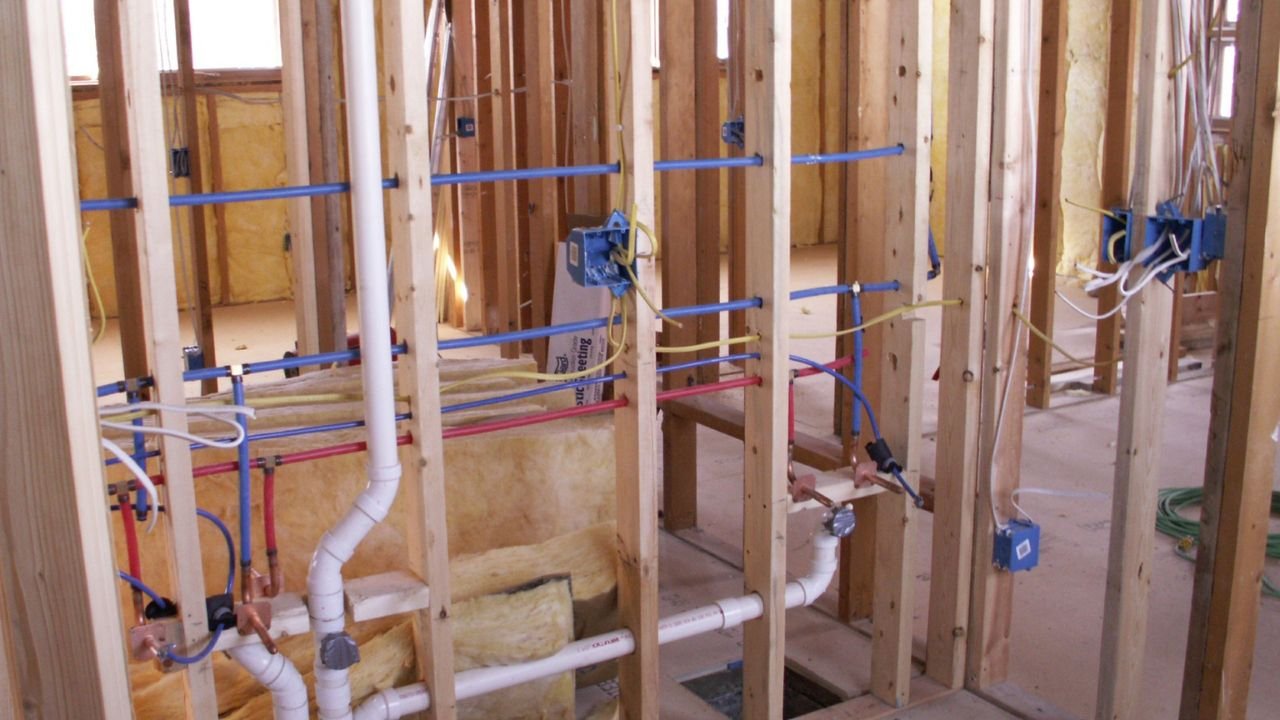
Plumbing is often one of the most expensive and complex trades in any construction or renovation project because it involves both “rough-in” work hidden behind walls and the final installation of visible fixtures. A structured estimator helps you break down these costs logically. By understanding the individual price components—such as materials, labor rates, and permit fees—you can use an estimator to compare different project scopes, evaluate the financial impact of upgrading to premium fixtures, and avoid the dangerous trap of underbudgeting your renovation or repair.
Average Plumbing Cost in Florida
Before diving into granular details, it helps to understand the broad financial landscape of plumbing services in the state. Keep in mind that these are average ranges; your actual cost will vary depending on whether the work is a simple, accessible repair or a highly invasive structural job.
-
Minor Repairs: $150 – $400 (e.g., fixing a leaky faucet, unclogging a standard drain, or replacing a flapper).
-
Fixture Installation: $300 – $800+ per fixture (including basic labor and mid-range materials).
-
Bathroom or Kitchen Plumbing: $1,500 – $5,000+ (for rerouting lines, installing new shower valves, sinks, and appliance hookups during a remodel).
-
Water Heater Work: $1,200 – $3,500 (depending on tank vs. tankless systems and necessary electrical/gas upgrades).
-
Whole-House Repiping: $4,500 – $15,000+ (depending on the size of the home, the number of stories, and the pipe material).
-
New Construction Plumbing: $8,000 – $25,000+ (comprehensive cost to plumb a house in Florida from the underground phase to final fixture installation).
Plumbing Cost by Type of Work
A reliable plumbing cost estimator in Florida breaks down pricing by the specific type of work being performed.
Below is a comparison table showcasing estimated cost ranges for various plumbing phases and projects:
| Type of Plumbing Work | Estimated Cost Range | Key Pricing Factors |
| New Construction Rough-In | $4,500 – $12,000 | Number of wet rooms, linear footage of pipe, slab trenching. |
| Bathroom Plumbing (Remodel) | $1,500 – $4,500 | Moving fixtures, custom shower valves, luxury tub installations. |
| Kitchen Plumbing (Remodel) | $1,000 – $3,000 | Sink relocation, dishwasher/fridge lines, gas line additions. |
| Water Heater Installation | $1,200 – $3,500 | Tank vs. tankless, gas vs. electric, disposal of the old unit. |
| Drain and Sewer Work | $2,000 – $7,000+ | Length of the sewer line, root intrusion, street access, digging. |
| Whole-House Repiping | $4,500 – $15,000+ | Home size, PEX vs. Copper, drywall removal and patching. |
| Slab Leak Repair | $1,500 – $5,000 | Finding the leak, concrete cutting, rerouting vs. direct repair. |
| Fixture Replacement | $150 – $600 per unit | Toilet, sink, or faucet swaps (assumes existing lines are good). |
What Affects Plumbing Cost in Florida?
Your final plumbing installation cost in Florida will be driven by a unique combination of project variables. When setting up your budget, pay close attention to the following factors:
-
Number of Fixtures: Plumbers often bid new construction or large remodels on a “per-fixture” basis. More sinks, toilets, and showers mean a higher total cost.
-
Pipe Material: Choosing standard PVC for drains and PEX (cross-linked polyethylene) for supply lines is highly cost-effective. Upgrading to traditional copper supply lines or cast-iron drains will drastically increase your material costs.
-
Wall or Slab Access: If a plumber has an open wall cavity during a gut remodel, labor is fast and cheap. If they have to cut through finished drywall, custom tile, or a concrete slab to reach a pipe, labor costs skyrocket.
-
Age of the Property: Older properties often hide corroded galvanized pipes or deteriorated cast-iron drains that crumble when disturbed, turning a small repair into a major replacement.
-
Permit and Inspection Requirements: Moving plumbing lines or installing new water heaters typically requires a municipal permit, which adds administrative fees and inspection delays to the project.
-
Labor Rates: The plumbing contractor cost varies by region. Master plumbers in high-demand coastal areas charge premium hourly rates compared to standard plumbers in rural inland counties.
-
Emergency Service vs. Planned Work: Calling a plumber at 2:00 AM on a Sunday for a burst pipe will incur heavy emergency service fees compared to scheduling a planned remodel weeks in advance.
-
Distance to Main Lines or Utility Connections: The farther your new fixtures are from the existing sewer main or water meter, the more pipe, trenching, and labor will be required.
-
Drywall or Concrete Repair: Plumbers fix pipes, not walls. You must budget separately for drywall patching, painting, or tile replacement after invasive plumbing work is completed.
Florida-Specific Plumbing Cost Factors
A generic national estimator often fails because Florida plumbing projects can cost differently from those in other states due to unique geographic, climatic, and historical building conditions.
-
Slab-on-Grade Construction: The vast majority of Florida homes are built on concrete slabs rather than over basements or crawlspaces. This means all underground plumbing is encased in concrete. Accessing a broken drain or supply line requires jackhammering the floor, which makes Florida plumbing replacement cost inherently higher for foundational leaks.
-
Humidity and Corrosion Concerns: High humidity and salty coastal air can accelerate the corrosion of exposed metal pipes, water heater connections, and outdoor fixtures.
-
Hurricane-Related Damage or Flood Issues: Homes in low-lying or flood-prone areas may require specialized backwater valves to prevent municipal sewage from backing up into the home during severe storm surges.
-
Code and Permit Requirements: Florida has some of the strictest building codes in the country. Water heaters, for example, must be strapped and installed to specific wind and code compliance standards, often requiring a dedicated permit.
-
Older Homes Needing Repiping: Florida experienced massive building booms in the 1970s and 1980s. Many homes from this era contain cast-iron drain pipes (which are now rotting away) or polybutylene supply lines (which are notorious for spontaneous bursting). Repiping cost Florida averages are largely driven by the replacement of these specific, obsolete materials.
-
Mineral or Water Quality Issues: Many parts of Florida have extremely “hard” water rich in calcium and magnesium. This mineral buildup degrades water heaters faster and clogs fixtures, often requiring the additional installation of whole-house water softening systems.
Plumbing Cost Estimator Examples
To help bridge the gap between abstract numbers and real-world budgeting, here are four practical scenarios using a plumbing cost estimator in Florida.
Example 1: Replacing a Water Heater and a Few Fixtures
-
Scope: Replacing an old 50-gallon electric water heater, swapping out two bathroom faucets, and installing a new kitchen sink and faucet.
-
Assumptions: All existing plumbing lines and shut-off valves are in good working condition. No drywall removal is needed.
-
Estimated Cost Range: $1,800 – $2,800
Example 2: Remodeling One Bathroom in a Florida Home
-
Scope: A complete bathroom remodel. Moving the toilet three feet, converting a tub into a walk-in shower with a new custom valve, and installing a new double vanity.
-
Assumptions: Concrete slab needs to be trenched to move the toilet drain. Plumber will install all rough-in valves and return later for final trim-out.
-
Estimated Cost Range: $3,500 – $5,500 (plumbing only, excluding tile and drywall).
Example 3: Repiping a Small Older House
-
Scope: A 1,500-square-foot, 2-bedroom, 2-bathroom home built in 1985 with failing polybutylene pipes. Total replacement of all hot and cold water supply lines.
-
Assumptions: Plumber will use flexible PEX tubing routed through the attic and dropped down the walls to avoid cutting the concrete slab. Includes drywall cutting, but not the drywall patching.
-
Estimated Cost Range: $5,000 – $8,500
Example 4: Plumbing for a New Construction Home
-
Scope: A 2,500-square-foot, 3-bathroom new build.
-
Assumptions: Includes underground trenching and pipe laying, rough-in framing pipe installation, setting the water heater, and final installation of all toilets, sinks, and showers.
-
Estimated Cost Range: $12,000 – $18,000+
Hidden Plumbing Costs Homeowners Should Expect
When calculating your plumbing repair estimate or renovation budget, be sure to leave room for these easily overlooked, hidden expenses:
-
Wall Repair and Repainting: Unless you hire a turnkey general contractor, most plumbers will cut the drywall to fix the pipe and leave the patching to you.
-
Slab Cutting and Patching: Fixing a slab leak requires specialized concrete cutting, dust mitigation, and pouring new concrete once the pipe is repaired.
-
Permit Fees: Municipal permits for major plumbing work can easily add $100 to $500+ to your invoice.
-
Emergency Service Charges: A weekend, holiday, or midnight call-out can double a plumber’s standard hourly rate.
-
Disposal Fees: Hauling away heavy cast-iron tubs, old water heaters, and construction debris usually incurs a separate disposal fee.
-
Fixture Upgrades: Budgeting for standard chrome faucets but falling in love with brushed gold fixtures at the showroom will quickly inflate your material costs.
-
Access Issues: If your water heater is crammed into a tiny, custom-built closet, the plumber will charge for the extra time required to extract it.
-
Leak-Related Damage Repair: A burst pipe doesn’t just cost money to fix; it often destroys baseboards, luxury flooring, and cabinetry that must be replaced.
-
Mold or Moisture Remediation: If a hidden leak has been dripping behind a wall for months, Florida’s climate guarantees mold growth, requiring professional remediation before the plumbing can be closed up.
How to Use a Plumbing Cost Estimator Correctly
To get the most value out of a plumbing cost estimator in Florida, you must use it strategically. First, understand that relying on a simple “cost per square foot” average is incredibly risky. A 2,000-square-foot home with one bathroom will cost drastically less to plumb than a 2,000-square-foot home with three bathrooms and a wet bar.
Instead, recommend estimating your project by fixture, system, and scope. Count the exact number of water connections you need. Decide if you are simply hooking up to existing lines or tearing open the slab to move drains.
When you transition from early budgeting to collecting contractor bids, compare itemized quotes carefully. If one quote is significantly cheaper, check to see if they omitted permit fees, excluded final fixture installation, or planned to use inferior pipe materials. Ensure that location-specific access constraints and code requirements are fully factored into the bottom line. If you need professional assistance organizing these line items, exploring dedicated plumbing estimating services can provide the clarity you need.
Tips to Keep Plumbing Costs Under Control in Florida
If your initial estimates are coming in too high, there are several practical ways to trim your budget without compromising the integrity of your home’s water systems:
-
Group Plumbing Work Together: Plumbers charge a mobilization or trip fee. Having them fix a leaky faucet, install a new toilet, and flush your water heater in one visit is vastly cheaper than calling them out three separate times.
-
Keep Fixture Locations Similar During Remodels: If you are updating a bathroom, leave the toilet, shower, and sink in their original locations. Moving underground drains is one of the most expensive aspects of a remodel.
-
Choose Durable Materials: Opt for PEX piping over copper for supply lines. PEX is cheaper, faster to install, highly durable, and doesn’t corrode like copper in harsh water conditions.
-
Request Itemized Estimates: Never accept a lump-sum bid. An itemized estimate allows you to see exactly where your money is going and where you might scale back.
-
Check Permit Requirements Early: Knowing what requires a permit prevents costly stop-work orders and fines from local Florida building departments.
-
Inspect for Hidden Leaks or Corrosion: During a remodel, inspect adjacent pipes. It is cheaper to replace a failing pipe while the wall is already open than to tear it open again a year later.
-
Compare Repair vs. Replacement Carefully: If a 12-year-old water heater breaks, do not spend $600 fixing it. It is past its lifespan; put that money toward a new unit instead.
Final Thoughts
Accurately calculating Florida plumbing services requires far more than a quick guess. Ultimately, plumbing costs in Florida depend on the exact scope of your project, structural access, the materials you choose, and strict code-related requirements. From managing slab-on-grade concrete trenching to repiping older homes with obsolete cast-iron drains, navigating a Florida plumbing project requires careful financial preparation.
A plumbing cost estimator in Florida is your best defense against blown budgets and unexpected change orders. It allows you to visualize the costs, prioritize your upgrades, and negotiate with plumbing contractors from an educated standpoint. Remember that while an estimator is essential for early planning, your final pricing will always depend on the actual property conditions and the signed contractor agreement.
If you are preparing for a major remodel or new build and want to dive deeper into your specific numbers, check out our comprehensive Florida remodeling estimate page or explore our residential estimating services to ensure your plumbing budget is watertight before you break ground.