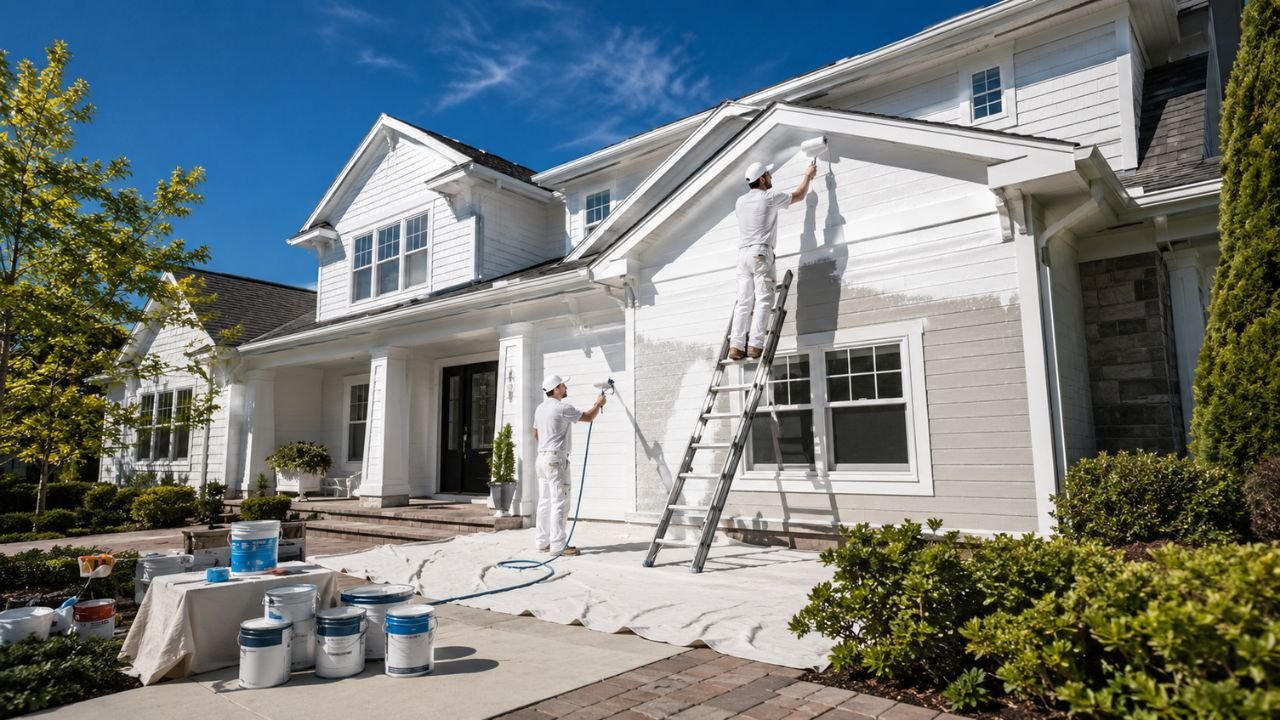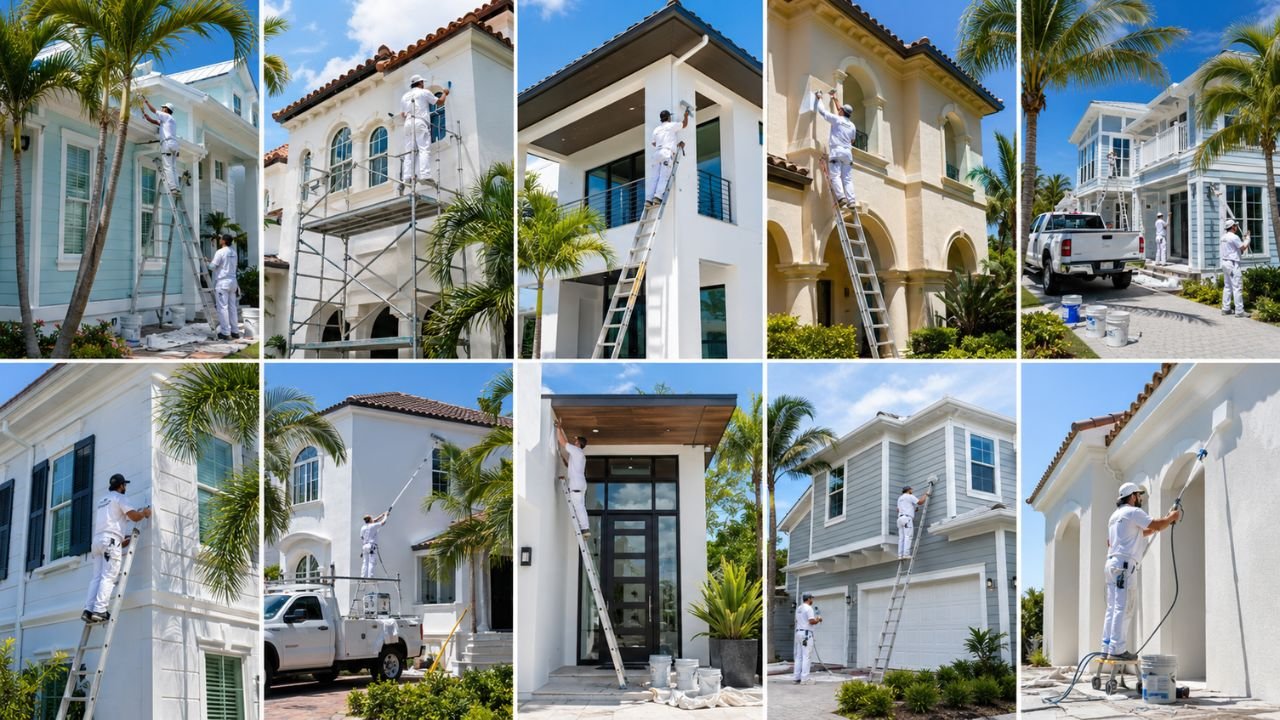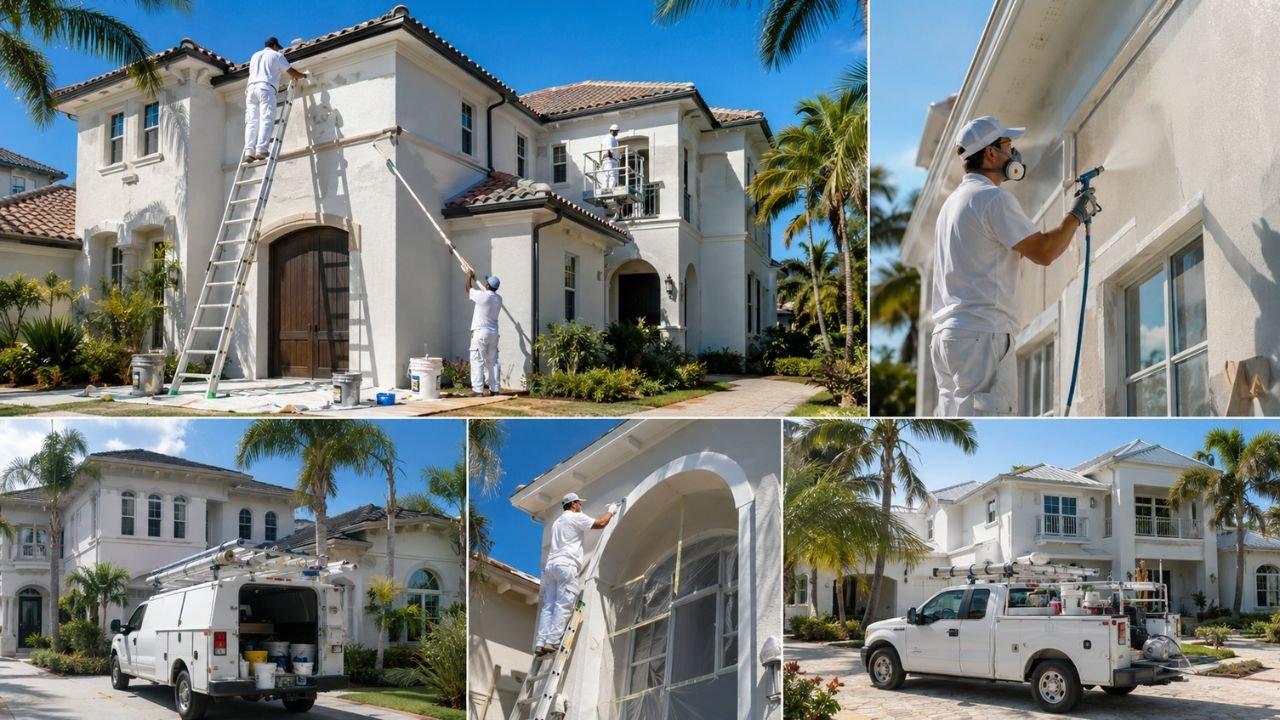
There is no single best color for every Florida house, but light and climate-appropriate colors such as soft white, warm white, cream, light beige, light gray, and other balanced neutrals are popular choices because they can complement Florida architecture and bright outdoor conditions. The best choice for your property depends on the architectural style, roof color, surrounding landscaping, neighborhood character, exterior material (like stucco or siding), and your personal maintenance expectations. While light colors are highly favored for their solar reflectance in the intense Florida sun, the “best” color is ultimately the one that harmonizes with your home’s fixed elements and enhances its curb appeal within the local environment.
Choosing the right exterior paint color in the Sunshine State involves more than just aesthetic preference. Florida’s unique climate—characterized by high UV exposure, intense heat, significant humidity, and salt air in coastal regions—directly impacts how colors look and perform over time. Light colors are traditional favorites because they visually soften the impact of the bright Florida sun and are less prone to the noticeable fading that can plague more saturated pigments. However, modern architectural trends in hubs like Miami and Tampa are increasingly incorporating sophisticated grays, muted blues, and even darker accent tones to create contrast.
What’s the Best Color to Paint a House in Florida?
The direct answer is that a balanced neutral within the light-to-mid LRV (Light Reflectance Value) range is typically the most successful choice for Florida homes. Light colors like off-white, cream, and sand-beige are timeless because they reflect solar radiation, helping to keep exterior surface temperatures lower than dark alternatives. This is particularly relevant for the stucco finishes common throughout the state.
However, the best color for a Mediterranean-style home in Boca Raton will differ significantly from a modern beach house in Naples or a traditional ranch in Jacksonville.
- Light Colors: These are the gold standard for Florida. They feel airy, clean, and tropical. They pair beautifully with the vibrant greens of Florida landscaping and the bright blue of the sky.
- Neutral Colors: Greige, taupe, and warm grays offer a sophisticated alternative to pure white, providing enough depth to hide slight imperfections in stucco while remaining light enough to resist excessive heat absorption.
- Coastal Colors: Soft blues and seafoam greens are iconic for waterfront properties, reflecting the natural environment of the Gulf and Atlantic coasts.
- Accent Colors: While the main body of the house often stays light, the “best” look often incorporates darker accents on front doors or shutters to provide architectural definition.
Why Light Colors Are Popular for Florida Homes
In Florida, light colors are more than a design trend; they are a response to the environment. The primary driver is the intense sunlight. According to the U.S. Department of Energy, light-colored surfaces reflect more solar radiation than dark ones. While we cannot guarantee a specific percentage of energy savings, choosing a color with a high Light Reflectance Value (LRV) can help minimize the heat a building’s exterior absorbs during a 95-degree July afternoon.
Architecturally, Florida is dominated by stucco-over-concrete-block construction. Light colors—especially whites and creams—complement the smooth or textured surfaces of stucco perfectly, creating a clean, crisp appearance that doesn’t feel heavy. In coastal areas, light colors also tend to mask the salt spray and light-colored dust better than dark, saturated tones, which can look weathered more quickly.
| Color Family | Advantages | Best For | Considerations |
|---|---|---|---|
| White/Off-White | High solar reflectance, timeless, clean aesthetic. | Modern, Coastal, Mediterranean. | Shows dirt/mold in high humidity. |
| Beige/Tan | Warm, hides dust well, classic Florida look. | Traditional, Mediterranean, Stucco. | Can look “dated” if too yellow. |
| Light Gray/Greige | Sophisticated, modern, works with most roofs. | Contemporary, Ranch, Transitional. | Undertones (blue/green) change in sun. |
| Soft Blue | Tropical feel, high curb appeal near water. | Coastal, Key West style, Cottages. | Pigments may fade faster than neutrals. |
Best Light Colors for Florida Houses
If you are looking for the most reliable light colors, these families represent the majority of successful Florida home paint colors.
Soft White
A soft white avoids the “blinding” effect of a pure, stark white in the Florida sun. It provides a crisp look that makes tropical landscaping pop. It is the perfect backdrop for navy blue or charcoal gray shutters.
Warm White
Warm whites have a hint of yellow or red in the base, preventing them from feeling sterile. These are excellent for Mediterranean or Spanish-style homes where you want the building to feel inviting rather than cold.
Off-White
Off-whites offer a slight transition from pure white, often leaning toward a very pale gray or cream. This is a safe “middle ground” for homeowners who want a bright house without the maintenance intensity of a true white.
Cream
Cream is a staple for Florida stucco homes. It pairs exceptionally well with brown or terracotta tile roofs, common in Central and South Florida.
Light Beige
Light beige (or “sand”) is perhaps the most practical color in the state. it mimics the natural landscape and is incredibly forgiving when it comes to showing dust or minor surface imperfections.
Light Gray
Light gray is the modern neutral. It provides a cool, clean aesthetic that pairs well with white trim and black or silver hardware. It is particularly popular for residential construction estimating in newer developments in Orlando and Tampa.
Greige
A blend of gray and beige, greige is the “chameleon” of paint colors. It shifts based on the time of day and the angle of the sun, making it a versatile choice for homes with a mix of stone and stucco.
Best Neutral Colors for Florida Homes
Neutral colors serve as the bridge between the architecture and the environment. In Florida, neutrals like taupe, tan, and warm gray are highly effective because they don’t compete with the often-colorful landscaping.
Taupe, specifically, is a favorite for homes with significant stone accents. Because it contains both warm and cool undertones, it can harmonize with a gray roof and a brown stone walkway simultaneously. Neutral tones are also excellent for resale value, as they appeal to the broadest range of potential buyers by providing a “blank canvas” that still feels finished and high-end.
Are White Houses Good for Florida?
White is an iconic choice for Florida houses, but it comes with specific trade-offs. On the positive side, white provides the highest solar reflectance, keeping the “skin” of the house cooler. It is the quintessential choice for “Miami Modern” or “Coastal Chic” designs.
However, white shows everything. In Florida’s high humidity, mold and mildew (often appearing as green or black streaks) are more visible on white surfaces. If your home is surrounded by heavy trees or near a busy road with soot, a white house will require more frequent pressure washing to maintain its luster. When estimating the quantity takeoff for a white house, professionals often suggest high-quality, mildew-resistant paints to combat these environmental factors.
Best Gray Paint Colors for Florida Houses
Gray remains one of the most requested Florida exterior color ideas. However, choosing the right gray is tricky due to the “blue sky” effect. Florida’s bright blue sky can reflect onto a gray house, making a neutral gray look like a baby blue.
- Warm Gray: These have a brown or yellow base and are the safest for Florida stucco.
- Cool Gray: These have a blue or purple base and work best for modern homes with lots of glass and metal.
- Greige: As mentioned, this is the most popular “gray” because it stays grounded and doesn’t turn blue in the afternoon sun.
| Main Exterior Color | Trim Color | Accent/Door Color | Best For |
|---|---|---|---|
| Soft White | Bright White | Navy Blue | Coastal Modern |
| Warm White | Cream | Muted Sage Green | Mediterranean |
| Light Beige | White | Dark Chocolate Brown | Traditional Stucco |
| Greige | Pure White | Deep Charcoal | Contemporary Ranch |
| Light Gray | Extra White | Black | Modern Minimalist |
| Sage Green | Off-White | Dark Bronze | Tropical Traditional |
| Taupe | Warm White | Terracotta | Spanish Revival |
| Light Blue | Bright White | Coral or Navy | Key West Style |
| Cream | Sand Beige | Deep Forest Green | Traditional Florida |
| Pale Aqua | White | Driftwood Gray | Beachfront Cottage |
Best Blue and Green Colors for Florida Houses
Blue and green are natural extensions of the Florida landscape. Light, muted blues (often called “Coastal Blue”) are popular in beach communities from Sanibel to Destin. They reflect the water and sky, creating a serene, vacation-like feel.
Green, particularly sage or olive, works beautifully in North and Central Florida where there are more oak trees and traditional “old Florida” foliage. A muted green home with cream trim feels integrated into the lot, rather than sitting on top of it. We recommend avoiding highly saturated “neon” greens or blues, as these tend to fade faster under intense UV exposure due to the nature of organic pigments.
Best Exterior Colors for Florida Stucco Homes
Stucco is the most common exterior material in Florida. Because it is porous and textured, it interacts with light differently than smooth siding. Textured stucco creates tiny shadows that can make a paint color look slightly darker than it does on a flat swatch.
For stucco, we recommend colors that have a “dusty” or muted quality. Pure, vibrant colors can look overwhelming on a large stucco expanse. Light neutrals like cream, sand, and greige are the best stucco colors for Florida homes because they hide the small spider cracks and imperfections that naturally occur in stucco over time.
Best Colors for Florida Mediterranean-Style Homes
Mediterranean architecture—characterized by red tile roofs, arched entryways, and wrought iron—requires a specific palette. You rarely see a Mediterranean home in Florida painted cool gray or blue. Instead, the “best” colors are:
- Cream and Vanilla: To provide a soft contrast to the dark roof.
- Terracotta and Ochre: Usually reserved for accents or smaller sections to emphasize the Spanish influence.
- Sand and Warm Beige: To ground the home and match the stone accents often found on the facade.
| Home Style | Recommended Color Families | Common Accent Choices |
|---|---|---|
| Coastal | White, Light Blue, Seafoam. | Navy, Coral, Driftwood. |
| Mediterranean | Cream, Beige, Warm White. | Terracotta, Bronze, Dark Wood. |
| Modern | White, Light Gray, Charcoal. | Black, Natural Wood, Silver. |
| Traditional | Off-White, Sage, Tan. | Black, Forest Green, Burgundy. |
| Ranch | Greige, Taupe, Light Gray. | Navy, Charcoal, Slate. |
| Contemporary | White, Cool Gray, Black. | Cedar, Metal, Stone. |
How Florida’s Climate Should Influence Your Paint Color
Florida’s climate is the most important “silent” factor in your decision.
- Sun and Heat: Dark colors absorb more heat. This doesn’t just potentially affect your cooling load; it stresses the substrate. For example, dark paint on wood siding can cause the wood to expand and contract more violently, leading to premature peeling.
- UV Exposure: The Florida sun is a “bleaching agent.” Reds, yellows, and deep blues often fade faster because the pigments break down under UV rays.
- Humidity and Rain: Constant moisture promotes fungal growth. Light colors show this growth more clearly, necessitating better quality paint with high-grade biocides.
- Salt Air: If you are within five miles of the coast, salt air can be corrosive. Your color choice should be paired with a high-quality “coastal grade” coating.
How to Choose a Paint Color Based on Your Florida Roof
Your roof is a “fixed” color—you likely won’t change it when you paint. It represents about 30-40% of your home’s visual mass.
| Roof Color | Recommended Exterior Colors | Trim Suggestions |
|---|---|---|
| Gray/Charcoal | White, Gray, Blue, Greige. | White, Light Gray. |
| Brown/Tan | Beige, Cream, Sage Green, Taupe. | Warm White, Cream. |
| Terracotta Tile | Cream, Warm White, Sand, Light Tan. | Off-White, Brown. |
| White/Silver Metal | Light Blue, White, Light Gray. | Bright White, Navy. |
| Black | White, Cool Gray, Light Blue. | Pure White, Charcoal. |
Best Front Door and Trim Colors
The front door is the place to be bold. If you’ve chosen a safe, light color for the body of the house, a navy blue, deep teal, or even a sunset orange front door can provide the perfect pop of personality.
For trim, “High Reflective White” or “Extra White” is the standard in Florida. It provides the crispest borders and makes the main house color look intentional. However, for a more “monochromatic” and modern look, painting the trim just one or two shades lighter than the house body is a sophisticated trend.
How Landscaping Affects Exterior Paint Color
Florida’s landscaping is often lush and colorful (think Hibiscus, Bougainvillea, and Ixora). A house painted a very bright, competing color can look “busy.” This is why light neutrals are so effective—they allow the natural beauty of the Florida flora to take center stage. If you have significant stone or mulch in your landscaping, ensure your house color has a similar “undertone” (warm vs. cool) to avoid a visual clash.
Best House Colors for Different Florida Regions
South Florida (Miami, Naples, West Palm Beach)
The trend here leans toward “Ultra-Modern” or “Classic Mediterranean.” You’ll see a lot of high-reflectance whites, cool grays, and “Art Deco” pastels. In Miami, contrast is king—think white houses with black window frames.
Central Florida (Orlando, Tampa, Sarasota)
This region is a mix of traditional suburbs and coastal retreats. Greige and warm neutrals are incredibly popular here. In Tampa and Sarasota, “Coastal Modern” is rising, using soft blues and grays.
North Florida (Jacksonville, Tallahassee, Pensacola)
With more pine and oak trees, North Florida often sees more “Earth Tones.” Sage greens, deeper tans, and even light brick-red accents are more common here than in the tropical south.
How Paint Color Selection Can Affect a Painting Estimate
While the color itself might not change the price of a gallon of paint significantly, the choice of color affects the painting estimate in other ways:
- Coverage: Going from a very dark color to a very light color (or vice versa) often requires an extra coat or a specialized tinted primer. This increases the material takeoff and labor hours.
- Trim and Accents: A complex color scheme with three or four different colors (body, trim, shutters, door) requires more “cutting in” time for the painters, which raises the labor cost.
- Product Grade: Certain “vibrant” colors require premium bases to prevent rapid fading, which can be more expensive.
When we perform a quantity takeoff for a painting project, we measure the exact square footage of the walls, trim, and doors to ensure you aren’t over-ordering materials based on the chosen color’s expected coverage rates.
| Surface | Color Considerations | Maintenance Considerations |
|---|---|---|
| Stucco | Muted tones work best; texture darkens color. | Needs mildew-resistant paint. |
| Wood | Use light colors to prevent warping/heat stress. | Requires frequent checking for peeling. |
| Siding (Vinyl/Fiber) | Check manufacturer limits on dark colors. | Usually easier to clean than stucco. |
| Brick | Limewash or light neutrals allow texture to show. | Once painted, it requires long-term upkeep. |
| Metal (Doors/Roof) | High-heat paints needed for dark tones. | Watch for oxidation on coastal properties. |
What Is a Painting Quantity Takeoff?
A quantity takeoff is the foundation of an accurate construction budget. For a painting project, it involves a detailed measurement of all surfaces to be coated. Instead of “eyeballing” the house, a professional estimator uses digital blueprints or field measurements to calculate:
- Net Wall Area: Total square footage of walls minus windows and doors.
- Linear Footage: For trim, fascia, and soffits.
- Unit Counts: For doors, shutters, and columns.
By having an accurate quantity takeoff, contractors can provide a construction estimating report that reflects the true amount of paint, primer, and labor required, eliminating the guesswork that leads to underbidding or overcharging.
How Estimate Florida Helps With Painting Estimates
At Estimate Florida, we don’t pick up a brush, but we do provide the data that makes your painting project successful. We specialize in providing professional construction estimating services and material takeoffs for residential and commercial projects throughout the state.
If you are a homeowner planning a renovation or a contractor bidding on a new development, we provide:
- Precise painting quantity takeoffs from your blueprints.
- Itemized material lists (gallons of paint, primer, etc.).
- Detailed labor scope breakdowns.
- Trade-specific estimates for stucco repair, siding, and finishing.
Our goal is to ensure that your project is planned with 98-99% accuracy, helping you manage your budget and procurement with confidence.
Frequently Asked Questions
What’s the best color to paint a house in Florida?
There is no single best color, but light neutrals like off-white, cream, light gray, and beige are the most popular and practical choices due to Florida’s high heat and bright sun.
What is the most popular exterior house color in Florida?
Currently, “Greige” (a blend of gray and beige) and various shades of soft white are the most popular choices for modern Florida homes.
Is white a good color for a Florida house?
Yes, white is excellent for reflecting heat, but it requires more maintenance as it shows dirt, mold, and mildew more easily in Florida’s humid climate.
What is the best exterior color for a Florida stucco house?
Muted earth tones or warm neutrals like sand, cream, or light taupe work best as they complement the texture of stucco and hide minor surface imperfections.
Are light colors better for Florida homes?
Generally, yes. Light colors have a higher Light Reflectance Value (LRV), meaning they absorb less solar heat and are less prone to the dramatic fading seen in dark, saturated colors.
Do dark colors make a house hotter in Florida?
Dark colors absorb more solar radiation, which can increase the surface temperature of the exterior walls. While modern insulation helps, the “skin” of the house will be hotter to the touch.
What are the best coastal colors for a Florida home?
Soft “sea-inspired” colors like light blue, seafoam green, and sandy beige are perfect for coastal environments and waterfront properties.
What are the best neutral colors for a Florida house?
Taupe, greige, tan, and light gray are excellent neutrals that offer sophistication while remaining climate-appropriate.
What front door colors look good on Florida homes?
Bold colors like navy blue, deep teal, coral, or charcoal gray work exceptionally well as accents against a lighter main house color.
Which exterior paint colors fade the least in Florida?
Inorganic pigments found in whites, beiges, and tans typically resist UV fading better than organic pigments found in bright reds, yellows, and deep blues.
Does exterior paint color affect painting cost?
It can. Drastic color changes may require more coats of paint or specialized primers, which increases material quantities and labor time.
How often should you repaint a Florida house?
It depends on paint quality and exposure, but most Florida homes require repainting every 5 to 8 years to protect the substrate from the sun and moisture.
Conclusion
Finding the best color to paint a house in Florida requires a balance of personal style, architectural harmony, and climate consciousness. While light and neutral colors like white, cream, beige, and gray remain the most popular choices for their solar reflectance and timeless appeal, the right color for your specific home must take into account your roof color, landscaping, and the specific texture of your stucco or siding.
Florida’s environment is demanding. Between the intense UV rays and the relentless humidity, your color choice is the first line of defense for your home’s curb appeal. Testing large samples on different sides of your house and observing them throughout the day is the only way to ensure your chosen hue looks as good on the wall as it does on the swatch.
If you’re planning an exterior painting project in Florida and need accurate quantities, material takeoffs, or a detailed construction estimate, Estimate Florida can provide professional estimating support based on your plans, measurements, specifications, and project scope. Having the right data upfront ensures your project stays on budget, regardless of the color you choose.