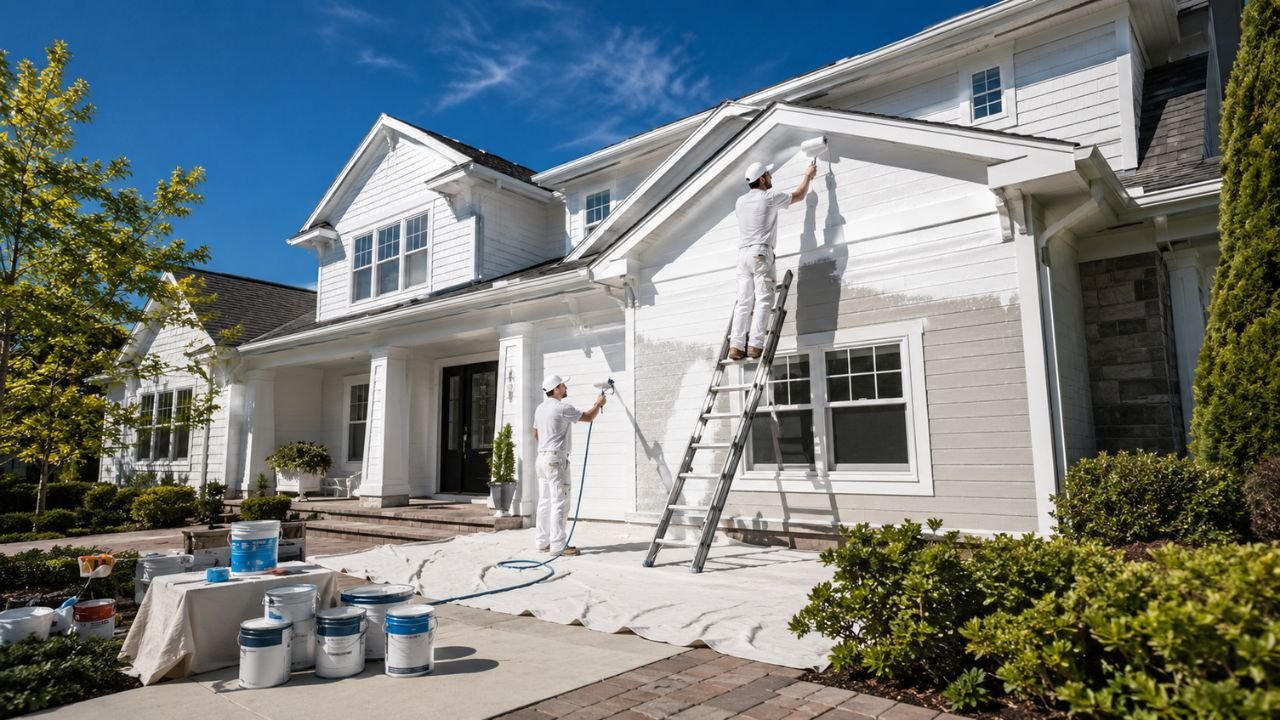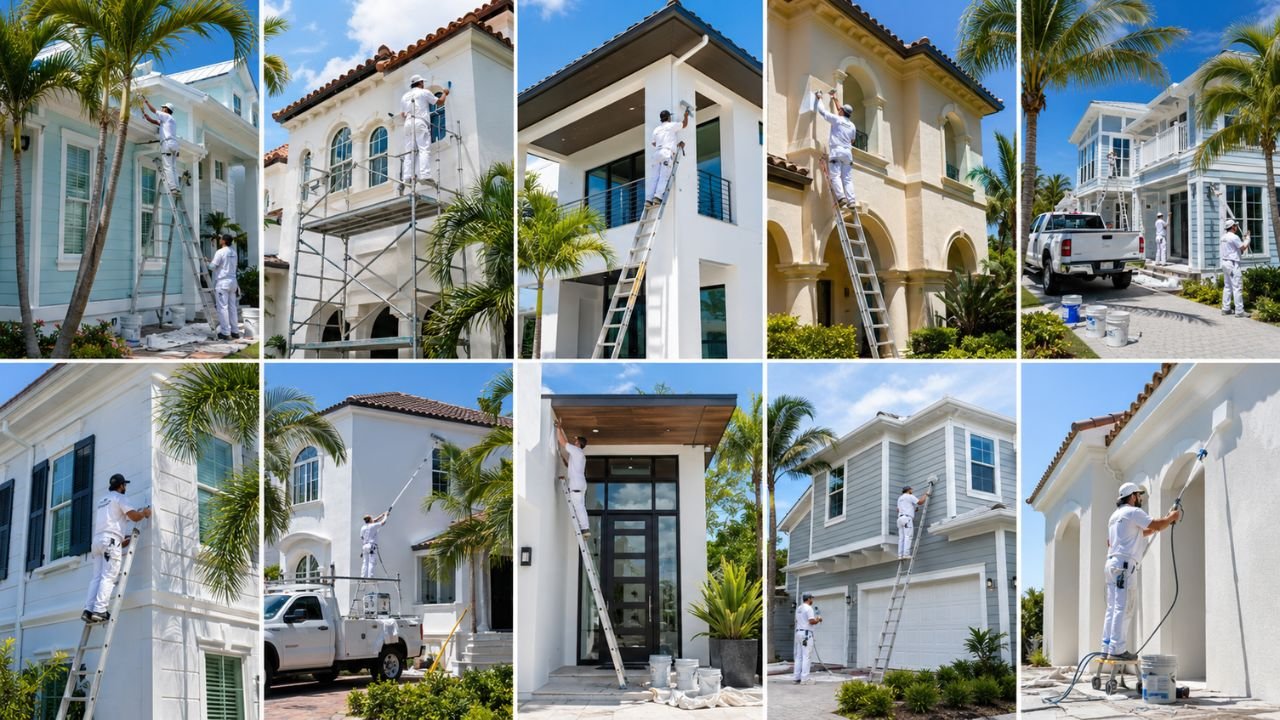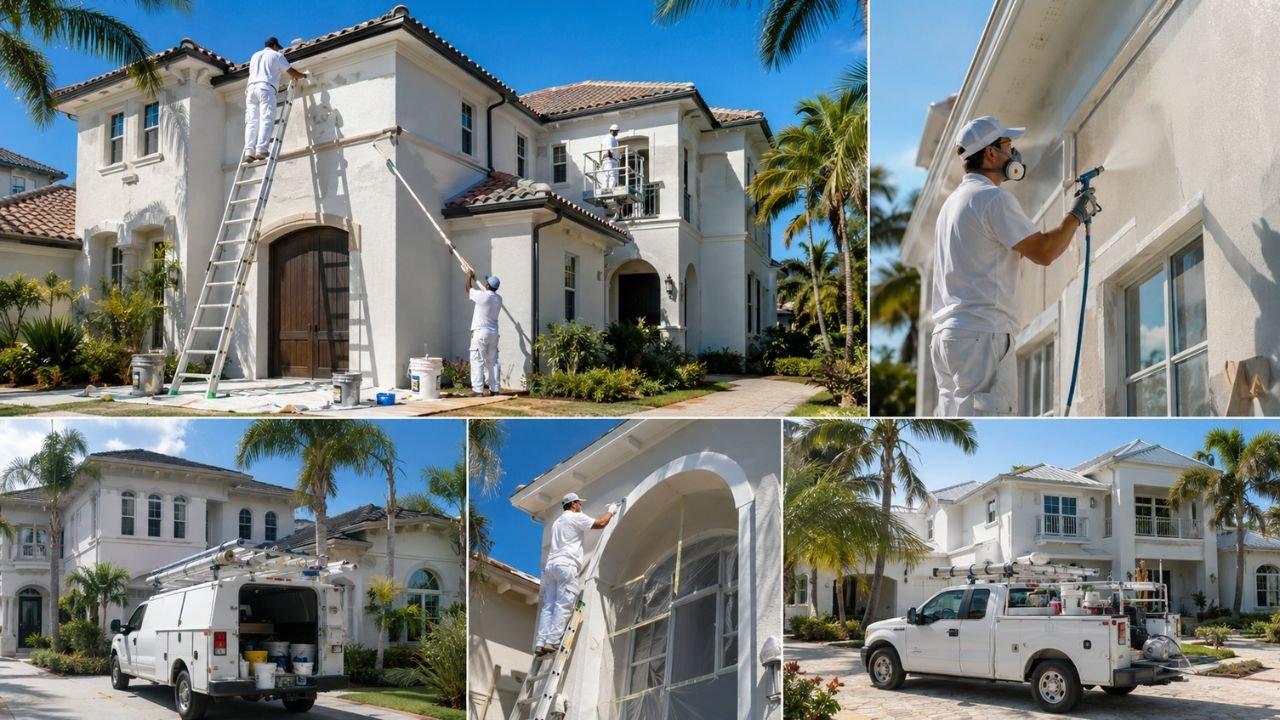
Managing a jobsite is a complex operation that demands constant vigilance. A strong safety checklist helps prevent life-altering injuries, expensive project delays, and severe compliance issues with regulatory agencies. While safety is universal, Florida jobsites need extra attention because of extreme heat, sudden storms, frequent lightning, and relentless moisture. To keep your crew safe and your project on track, having a reliable construction site safety checklist template for Florida is absolutely essential.
This article will break down the essential items every Florida construction site should check on a daily, weekly, and monthly basis. Whether you are managing a residential renovation, a massive commercial development, or a custom pool installation, this guide provides a practical, Florida-focused framework you can actually use on the job site.
Why Florida Jobsites Need Extra Safety Controls
Florida presents a unique set of environmental challenges that you simply will not find in other parts of the country. A generic safety plan is not enough; your procedures must be adjusted for local weather and specific site conditions to ensure maximum protection.
The unique risks of building in the Sunshine State include:
-
Heat stress: High temperatures combined with extreme humidity can lead to rapid dehydration and fatal heatstroke.
-
Lightning: Florida is the lightning capital of the United States, making outdoor work highly hazardous during afternoon thunderstorms.
-
Heavy rain: Sudden, torrential downpours can wash out trenches and create dangerous, slippery surfaces.
-
Hurricanes: High-wind events require proactive site preparation and immediate shutdown protocols.
-
Coastal corrosion: Saltwater and sea breezes rapidly degrade metal scaffolding, ladders, and electrical components.
Because of these localized threats, safety must be factored into your project from the very beginning. Reviewing safety protocols should happen concurrently with understanding how to get a building permit in Florida, ensuring that all structures comply with the strict wind and water resistance standards of the Florida Building Code.
Personal Protective Equipment
Personal Protective Equipment (PPE) is your crew’s first and last line of defense against jobsite hazards. A construction site safety checklist template for Florida must include rigorous, daily PPE inspections to ensure everyone on site is properly protected.
Cover these required PPE items on your checklist:
-
Hard hats: Required at all times to protect against falling objects, particularly on multi-story builds and commercial sites.
-
Safety glasses: Essential for shielding eyes from flying debris, sawdust, concrete dust, and chemical splashes.
-
Gloves: Task-specific hand protection (e.g., cut-resistant, leather, or chemical-proof) prevents lacerations and burns.
-
High-visibility vests: Mandatory for workers near heavy machinery, road traffic, or delivery zones.
-
Steel-toe boots: Sturdy, puncture-resistant footwear protects against dropped materials and exposed nails.
-
Hearing protection: Earplugs or earmuffs must be utilized around loud equipment like jackhammers and concrete saws.
PPE should be checked daily by site supervisors. Any gear that is cracked, heavily worn, or compromised must be replaced immediately.
Fall Protection and Working at Heights
Falls remain the leading cause of fatalities in the construction industry. The risk is magnified in Florida when afternoon rains leave roofs, scaffolding, and elevated work areas slick and hazardous. Strict adherence to OSHA Construction Safety and Health standards is non-negotiable.
Your fall protection review must cover:
-
Guardrails: Ensure sturdy perimeters are installed around balconies, stairwells, and leading edges.
-
Harnesses and anchor points: Workers exposed to falls of six feet or more must use Personal Fall Arrest Systems (PFAS) secured to rated anchor points.
-
Safety nets: Utilized on large-scale commercial or high-rise projects to catch falling debris and personnel.
-
Covered openings: Floor holes, skylight cutouts, and elevator shafts must be securely covered, clearly marked, and able to support twice the expected weight.
Whether workers are on ladders, roofs, or scaffolds, regular equipment inspections and ongoing worker training are the keys to maintaining a zero-fall jobsite.
Scaffolding, Ladders, and Access
Improperly erected scaffolds and damaged ladders are common sources of severe injuries. A Florida jobsite inspection checklist must thoroughly evaluate all access equipment before the workday begins.
-
Safe scaffold setup: Scaffolds must be erected on stable footing. In Florida’s sandy soils, this often requires heavy mudsills to prevent the structure from sinking or shifting.
-
Load limits: Scaffolding must never be overloaded with excessive materials like concrete block, brick, or heavy tools.
-
Ladder condition: Inspect all aluminum and fiberglass ladders for bent rungs, cracks, and missing non-slip feet.
-
Proper use: Ladders must extend at least three feet above the landing surface and be tied off securely.
Additionally, all access points and stairways should stay clear of tools, extension cords, and debris to ensure safe, unobstructed movement.
Electrical and Tool Safety
Construction sites are filled with temporary power setups and heavy-duty tools. In a state known for high humidity, unexpected rain, and wet ground, electrical safety requires constant monitoring.
-
GFCI protection: Ground Fault Circuit Interrupters (GFCIs) are mandatory on all temporary power outlets and extension cords to instantly cut power if a fault is detected.
-
Cord condition: Inspect all extension cords daily. Cords with missing ground prongs, exposed wiring, or sliced insulation must be removed from service immediately.
-
Temporary power safety: Electrical panels must have clear access and be adequately protected from the weather.
-
Lockout/tagout basics: Implement strict lockout/tagout procedures so machinery cannot be accidentally energized during maintenance.
-
Qualified trade work: Only licensed electricians should perform wiring tasks.
If any tools are malfunctioning or emitting a burning smell, they must be tagged and removed from the site at once.

Excavation, Materials, and Housekeeping
Site preparation and earthwork in Florida carry specific risks, as sandy soils are highly prone to rapid cave-ins and trench collapses.
-
Trench safety: Any excavation deeper than five feet requires a protective system, such as shoring, trench boxes, or sloping.
-
Utility locating: Always call 811 before digging to locate underground gas, water, and electrical lines.
-
Spoil placement and edge protection: Keep excavated dirt (spoils) and heavy machinery at least two feet away from the edge of the trench.
Beyond dirt work, aggressive housekeeping is one of the easiest ways to improve safety. Good housekeeping prevents slips, trips, falls, and fire hazards. Ensure that materials are stacked and stored safely, trash is thrown in dumpsters daily, and walkways are swept clean of debris.
Heat Stress and Weather Planning
Florida’s climate is the most persistent hazard on any jobsite. Your construction site safety checklist template for Florida must include dedicated weather and climate protocols.
-
Heat stress: Train supervisors to watch for signs of heat exhaustion, dehydration, and fatigue (e.g., dizziness, heavy sweating, confusion).
-
Hydration and shade: Provide unlimited access to cool drinking water and shaded rest areas. Mandate frequent rest breaks, and ensure new workers undergo acclimatization to adjust to the heat safely.
-
Lightning stops: Monitor local radar constantly. If lightning is detected within 10 miles, sound a warning horn and move all workers to enclosed structures or vehicles until the storm passes.
-
Storm shutdown procedures: When tropical systems approach, consult guidance from the Florida Division of Emergency Management to secure the site, tie down loose materials, and evacuate personnel safely.
Fire Safety and Emergency Preparedness
Fires on construction sites spread incredibly fast due to exposed wood framing, chemical solvents, and open airflow. Fire prevention matters on both small residential builds and massive commercial jobs.
-
Fire extinguishers: Must be fully charged, inspected monthly, and placed in highly visible, easily accessible areas.
-
Hot work controls: Grinding, welding, and soldering require a dedicated fire watch and the removal of nearby combustible materials.
-
Combustible material storage: Fuel, paint, and chemicals must be stored in approved, ventilated safety cabinets.
-
Emergency response: Establish clear emergency exits and evacuation routes. Ensure fully stocked first aid kits are available on site.
Every site should have a written emergency response plan and designated, trained personnel who know how to administer basic first aid and coordinate with local emergency responders.
Site Security and Public Protection
Jobsite safety extends beyond your crew; you are legally obligated to protect the public from construction hazards. Furthermore, material theft and unauthorized access can create hidden safety problems, such as tampered scaffolding or stolen fall protection gear.
-
Fencing and barricades: Secure the perimeter of the site with chain-link fencing to prevent trespassing.
-
Warning signs: Post high-visibility signage denoting “Hard Hat Area,” “No Trespassing,” and “Danger: Construction Site.”
-
Visitor control: Require all inspectors, vendors, and clients to sign in at the site trailer and wear appropriate PPE before entering the active work zone.
-
Protection for children and neighbors: Secure attractive nuisances, such as deep trenches, ladders, and heavy machinery, at the end of every shift.
Daily, Weekly, and Monthly Checklist Format
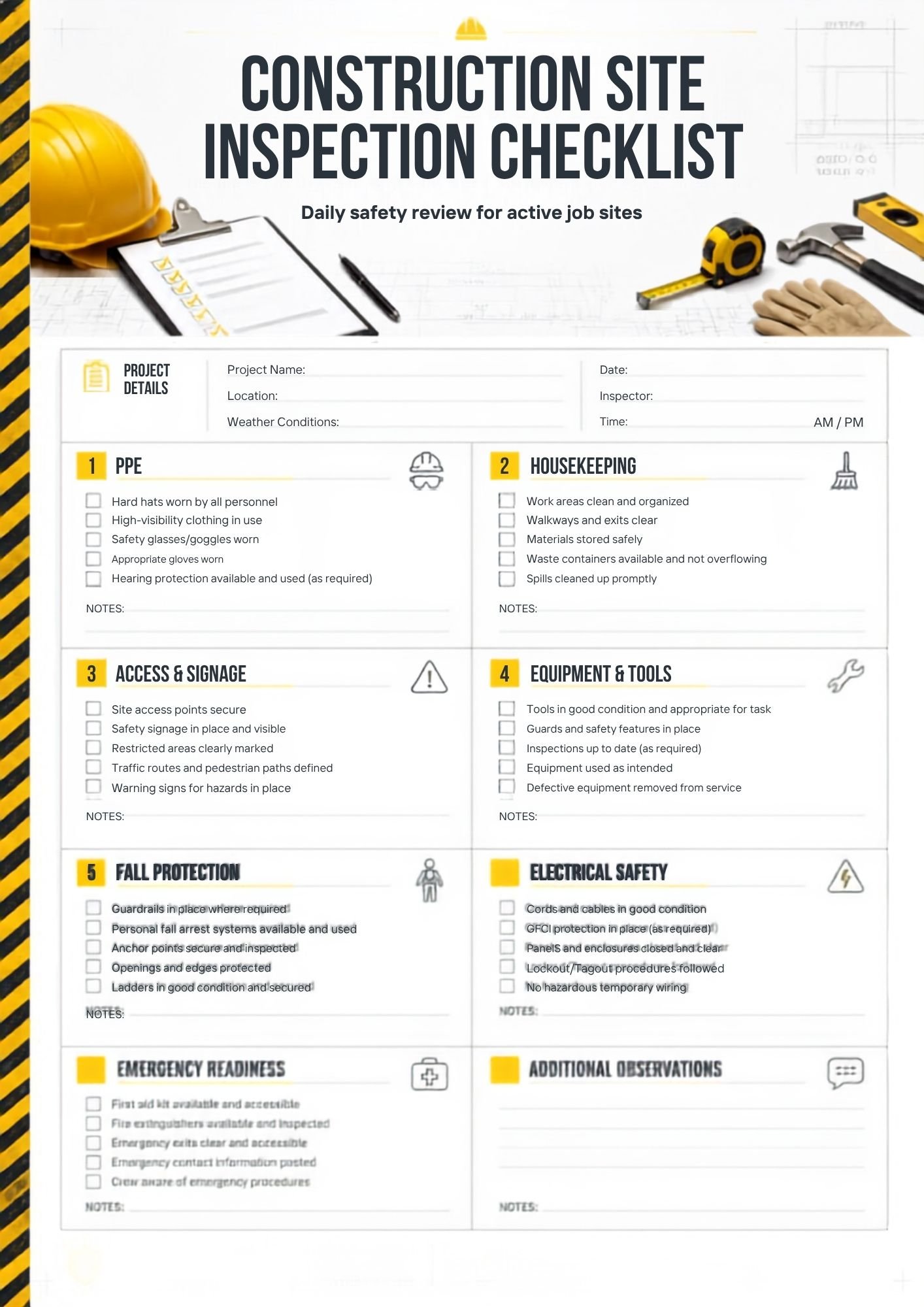
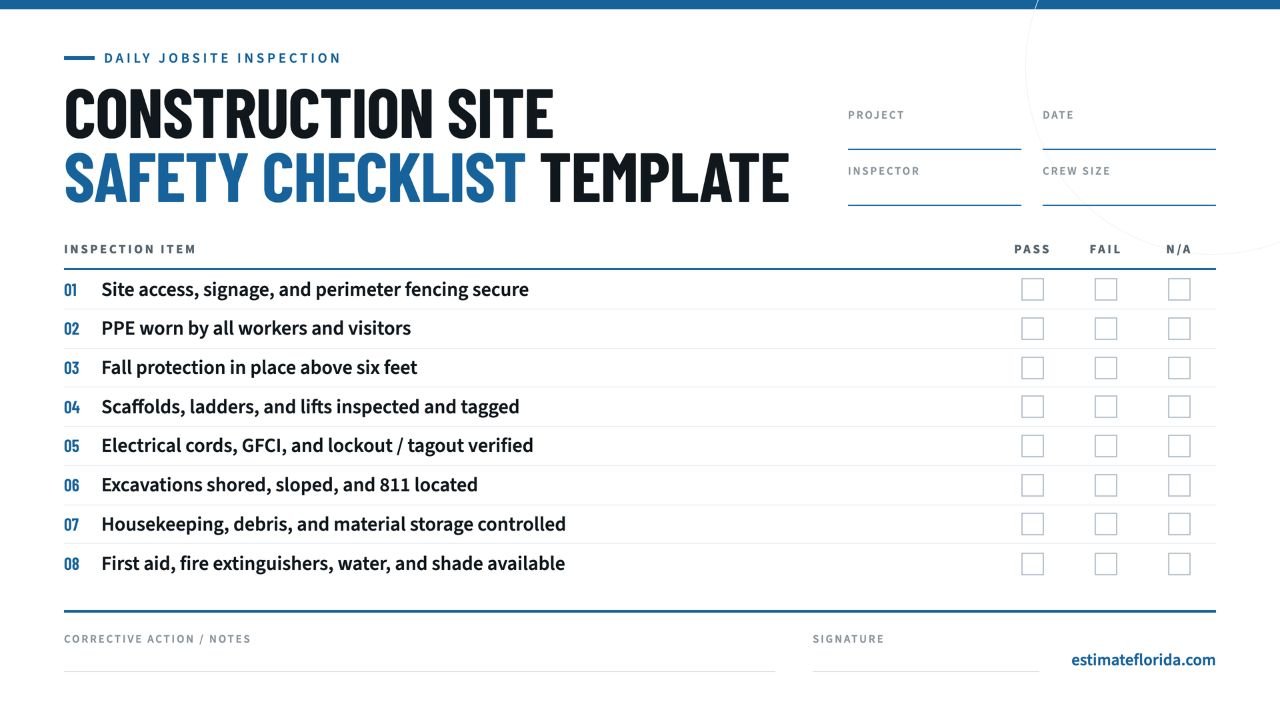
To reduce accidents and compliance issues, safety inspections must be regular and documented. Use this practical construction site safety checklist template for Florida to structure your site audits.
| Inspection Type | Frequency | Items to Check and Verify | Action Required if Deficient |
| PPE Check | Daily | Hard hats, boots, safety glasses, high-vis vests. | Replace missing or damaged gear immediately before work starts. |
| Housekeeping | Daily | Walkways clear of trip hazards; trash in dumpsters. | Stop work in the affected area and clean immediately. |
| Weather/Heat | Daily | Monitor heat index; track afternoon storms/lightning. | Mandate water breaks; halt work for nearby lightning. |
| Scaffolds/Ladders | Daily | Check footing, tie-offs, and ladder integrity. | Tag defective equipment as “Do Not Use” and remove it. |
| Fall Protection | Weekly | Inspect harnesses, lanyards, and anchor points. | Destroy and discard frayed or compromised gear. |
| Electrical | Weekly | Check GFCIs, extension cords, and temporary panels. | Cut and discard damaged cords; fix panel access. |
| Excavation | Weekly | Check shoring integrity and spoil pile distance. | Clear spoils; reinforce shoring before re-entry. |
| Fire Safety | Monthly | Inspect fire extinguishers (pressure gauge, tags). | Recharge or replace units immediately. |
| Emergency Prep | Monthly | Restock first aid kits; verify emergency contact list. | Order new medical supplies as needed. |
| Site Security | Monthly | Ensure fencing is intact and warning signs are visible. | Repair fence breaches and replace faded signage. |
Make it easy for your supervisors to use the checklist immediately by integrating this table into a mobile app or printing it on a laminated clipboard.
How to Document Safety Compliance
Walking the site and spotting hazards is only half the job; you must meticulously document your efforts. Proper documentation helps with accountability and provides vital legal protection if an OSHA inspector arrives or an accident occurs.
-
Inspection logs: Keep daily and weekly checklists signed and dated by the site superintendent.
-
Corrective action records: Document exactly when a hazard was identified and how it was fixed.
-
Training attendance: Maintain sign-in sheets for every toolbox talk, safety orientation, and fall protection class.
-
Incident reports: Log all near-misses and minor injuries to identify dangerous trends before a major accident happens.
-
Photo records: Take daily photos of the site to prove that fall protection was in place, trenches were shored, and the site was clean.
Understanding contractor responsibility is paramount. For those researching how to become a contractor in Florida, how to become a general contractor in Florida, how to become a builder in Florida, or how to become a pool builder in Florida, safety documentation is a core component of your professional licensing requirements via the Florida Department of Business and Professional Regulation. Proving that you run a safe, compliant site is just as important as knowing how to build one.
Final Thoughts
Implementing a reliable construction site safety checklist template for Florida is the most effective way to protect your crew, your budget, and your business. To be successful, your checklist should be simple, repeatable, and adaptable to your specific site—whether you are framing a new home, pouring a commercial foundation, or renovating an outdoor living space.
Reinforce to your team that daily inspection and early correction prevent bigger problems down the road. By making safety a core part of the job rather than an afterthought, you improve overall quality, boost productivity, and ensure that everyone returns home safely at the end of the day.