How much does it cost to build a school auditorium in Florida? Project costs typically range from roughly $3 million to more than $20 million, depending on seating capacity, stage systems, acoustics, technical equipment, and overall finish level. A modest elementary or middle-school assembly space costs less than a full high-school performance auditorium with fly tower, professional lighting, and sound systems. School projects also face public-sector requirements that affect design, bidding, and timeline. This article breaks down the main cost drivers and budgeting considerations for district planners, architects, and contractors.
What Affects the Cost Most?
Several factors drive the majority of the budget for a school auditorium in Florida:
- Seating capacity and overall square footage
- Stage size and backstage support spaces
- Acoustic design and finishes
- HVAC and ventilation systems sized for large assemblies
- Structural systems and roof design
- Technical equipment (lighting, sound, rigging)
- Accessibility and code compliance
Program scope and district expectations shape the final number. A multipurpose cafetorium costs less than a dedicated high-school theater designed for full theatrical productions. Higher seating counts, more sophisticated technical systems, and specialized finishes all increase cost.
Auditorium Size and Seating
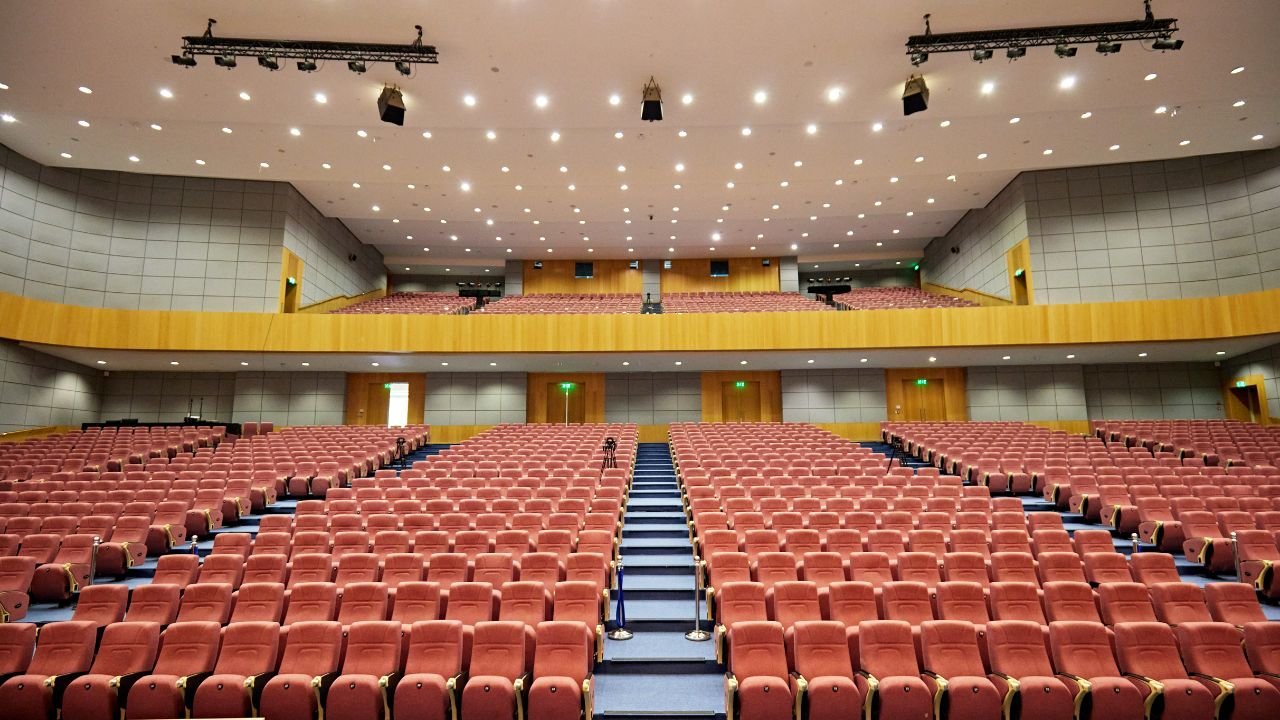
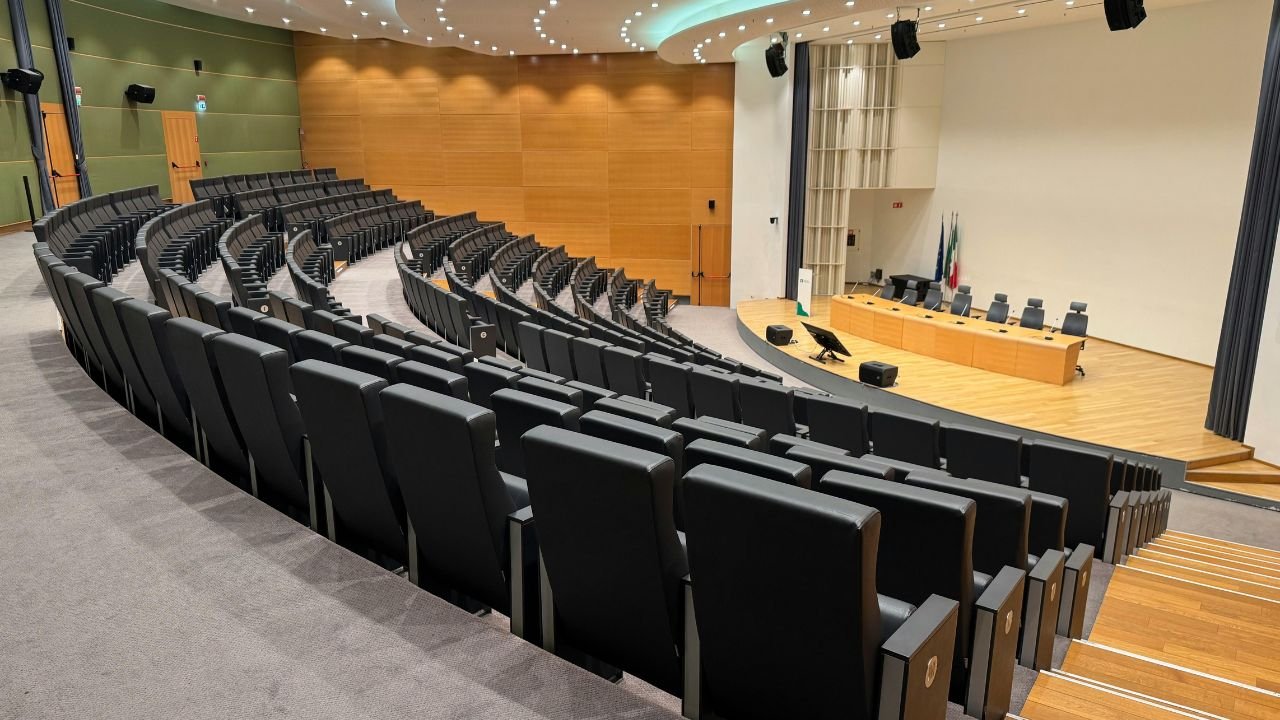
Square footage and seating capacity are primary cost drivers. More seats require more structure, more finishes, larger mechanical systems, and greater supporting infrastructure.
Typical formats include:
- Small school auditoriums (approximately 300–500 seats)
- Standard K-12 auditoriums (500–800 seats)
- Large high-school performance auditoriums (800–1,200+ seats)
Each additional bank of seating adds not only the seats themselves but also the underlying structure, circulation space, and mechanical capacity needed to serve the larger audience.
Stage, Backstage, and Technical Systems
The performance area and technical systems often represent a significant premium over standard classroom construction. Key components include:
- Stage floor and apron
- Curtains, rigging, and fly systems (where provided)
- Stage lighting and house lighting
- Sound reinforcement and acoustic treatment
- Control booth and technical support rooms
- Backstage dressing rooms, storage, and support spaces
Theatrical lighting, sound, and rigging packages can add substantial cost, especially when the facility is intended for full productions rather than simple assemblies or lectures.
Structure and Interior Build-Out
Auditorium construction is more specialized than typical classroom space. Major elements include:
- Foundation and structural frame (often steel or reinforced CMU)
- Roof system designed for large clear spans and Florida wind loads
- Seating risers and fixed seating
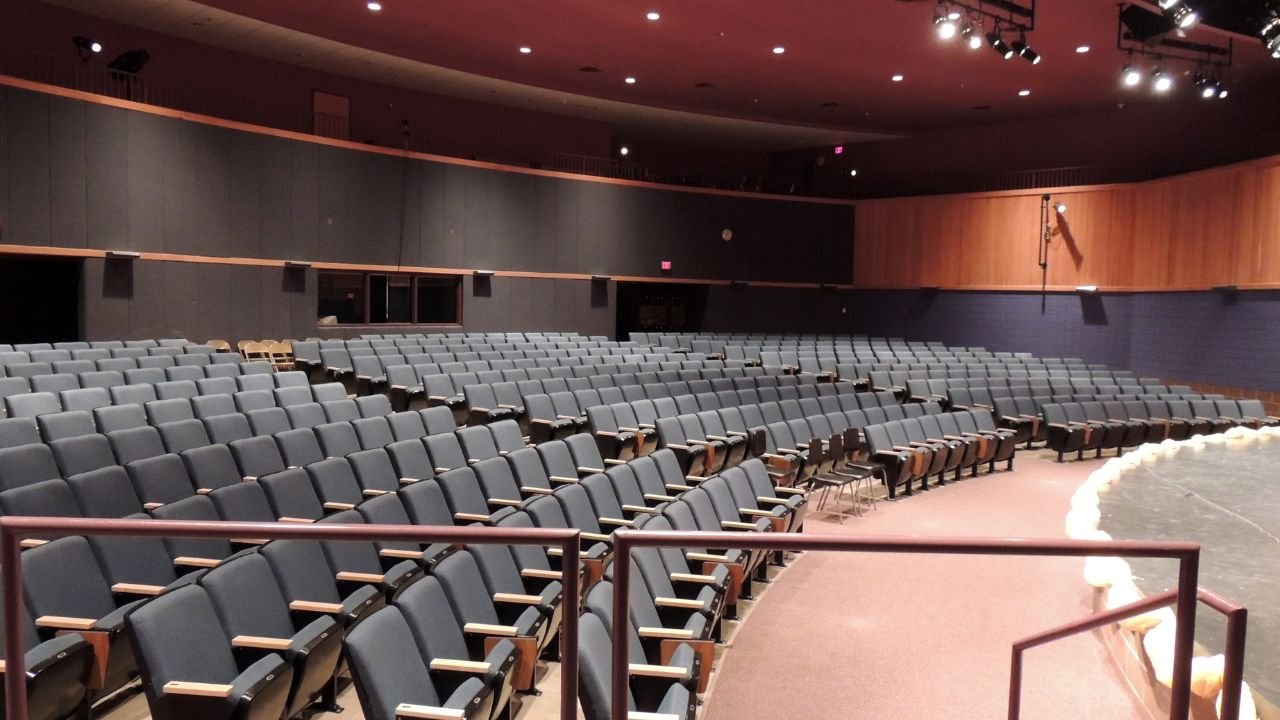
- Flooring, wall finishes, and ceiling treatments selected for acoustic performance
- Specialized acoustic panels, diffusers, or absorptive surfaces
These systems must balance structural strength, acoustic quality, durability, and maintainability under heavy student use.
Florida-Specific Cost Factors
Florida school auditorium projects frequently require additional budgeting for:
- Hurricane-resistant structural design and higher wind-load requirements
- Flood-zone considerations and elevated or protected mechanical systems
- Moisture-resistant materials and detailing suited to humidity
- Compliance with State Requirements for Educational Facilities (SREF)
- Public-school plan review and procurement processes
Projects must follow the Florida Building Code and educational facility standards overseen by the Florida Department of Education. Public building construction processes are also informed by guidance from the Florida Department of Management Services. These requirements can raise costs but improve durability, safety, and long-term performance.
Soft Costs and Procurement
Hard construction costs are only part of the total project budget. Soft costs commonly include:
- Architecture and engineering design fees
- Surveys, geotechnical investigations, and environmental reviews
- Permitting, plan review, and agency approvals
- Bidding, procurement, and construction management
- Testing, inspections, and commissioning
- Contingency and escalation allowances
Public school procurement rules, competitive bidding, and multi-layer approvals can extend timelines and add cost compared with private-sector projects. Adequate contingency (often 10% or more) helps absorb unforeseen conditions and market changes.
Cost Ranges by Auditorium Type
Actual costs vary by county, site conditions, district standards, and market factors. The following ranges provide practical order-of-magnitude guidance for Florida school auditorium projects (construction plus typical soft costs):
| Auditorium Type | Approximate Total Cost Range | Notes |
|---|---|---|
| Small school auditorium (300–500 seats) | $3 million – $7 million | Basic assembly focus, limited technical systems |
| Standard K-12 auditorium (500–800 seats) | $6 million – $14 million | Balanced performance and assembly use |
| Large high-school auditorium (800–1,200+ seats) | $12 million – $25 million+ | Full stage systems, higher technical content |
| Cafetorium / multipurpose space | $2 million – $6 million | Combined dining and assembly function |
| Renovation or expansion | $1.5 million – $10 million+ | Depends on existing conditions and scope |
These figures are illustrative. Recent Florida examples have included projects in the $20 million range for roughly 800-seat high-school auditoriums. Coastal locations, complex site conditions, or extensive technical packages can push totals higher.
How to Plan a Realistic Budget
Accurate budgeting begins with clear early definition of scope:
- Target student capacity and seating count
- Stage size and backstage needs
- Acoustic and technical performance goals
- Technology and AV requirements
- Site constraints and utility capacity
- Contingency and escalation allowances
Involving architects, cost estimators, and district stakeholders early reduces later surprises. Related planning resources such as how much does it cost to build a house in Florida, residential construction estimating, what are the 7 stages of construction, average cost to build a 1500 sq ft house in Florida, and sample BOQ for house construction excel complete format with example can support broader estimating discipline even though educational facilities have specialized requirements.
Final Thoughts
The cost to build a school auditorium in Florida depends primarily on seating capacity, stage and technical systems, structural design, acoustic finishes, and Florida-specific code requirements. Public-school procurement rules and educational facility standards add layers of planning and review that private projects may not face.
Careful early planning, realistic contingency, and coordination among architects, estimators, and district stakeholders improve budget accuracy and project outcomes. Working with professionals experienced in Florida educational facilities remains one of the most effective ways to develop a workable school auditorium construction budget.