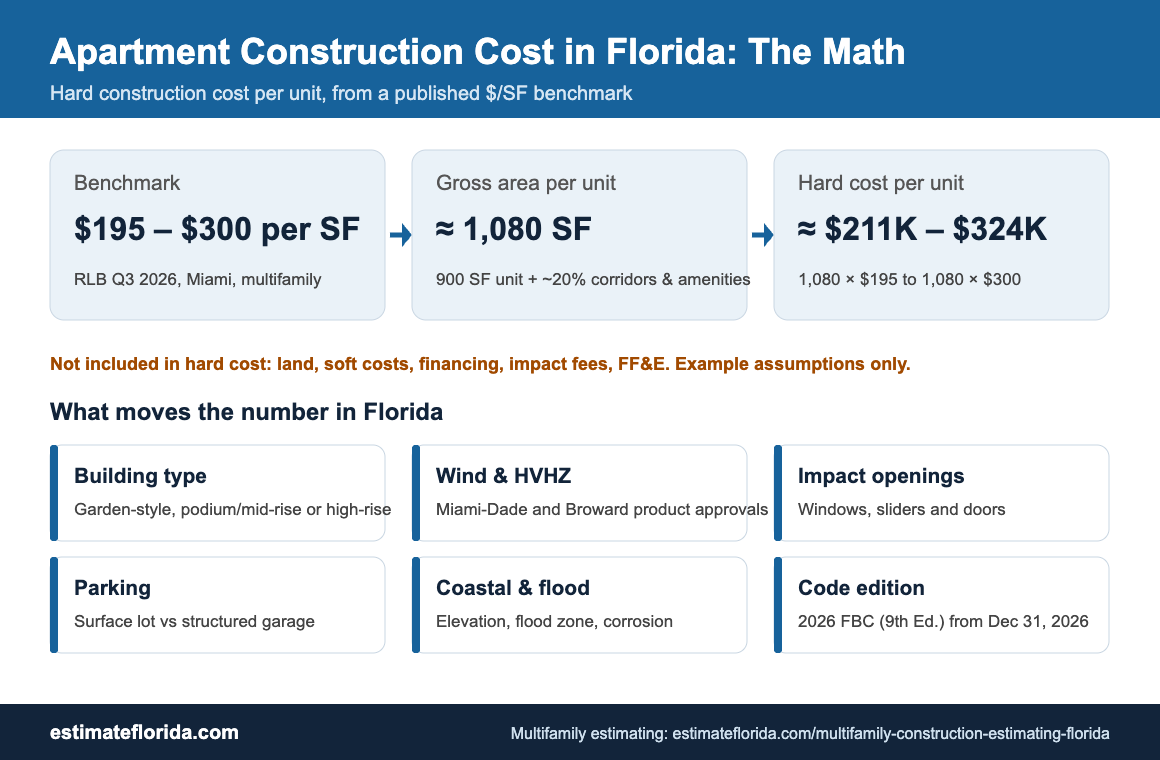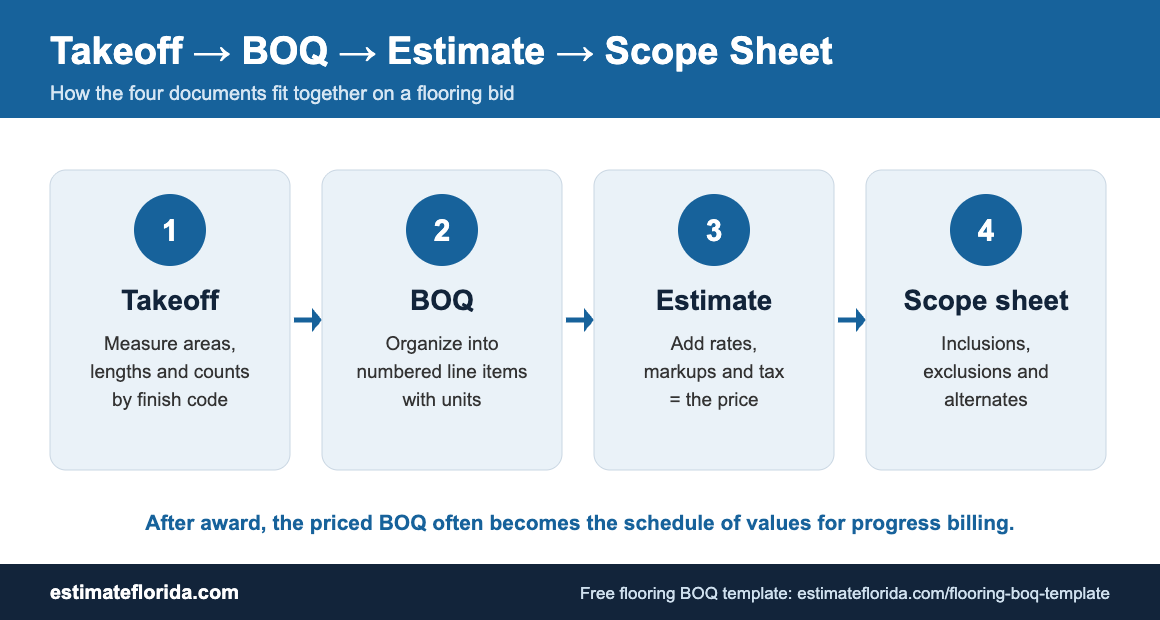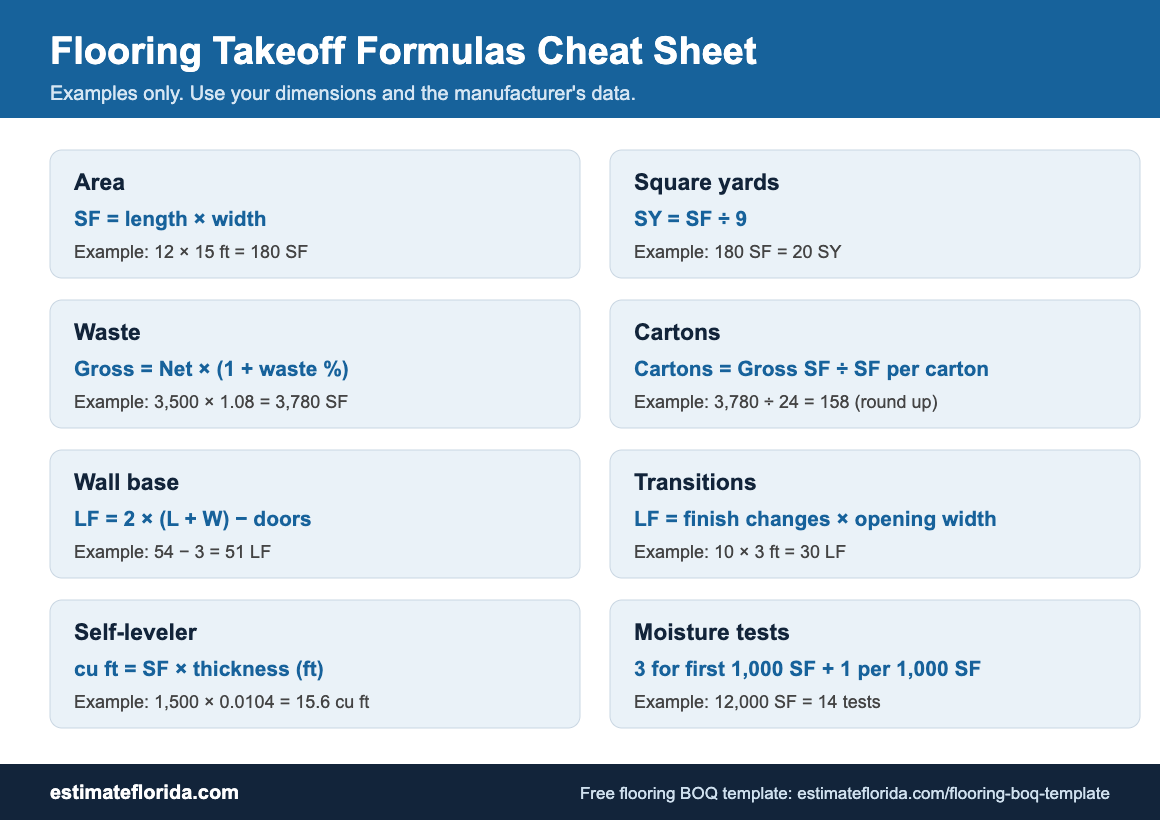
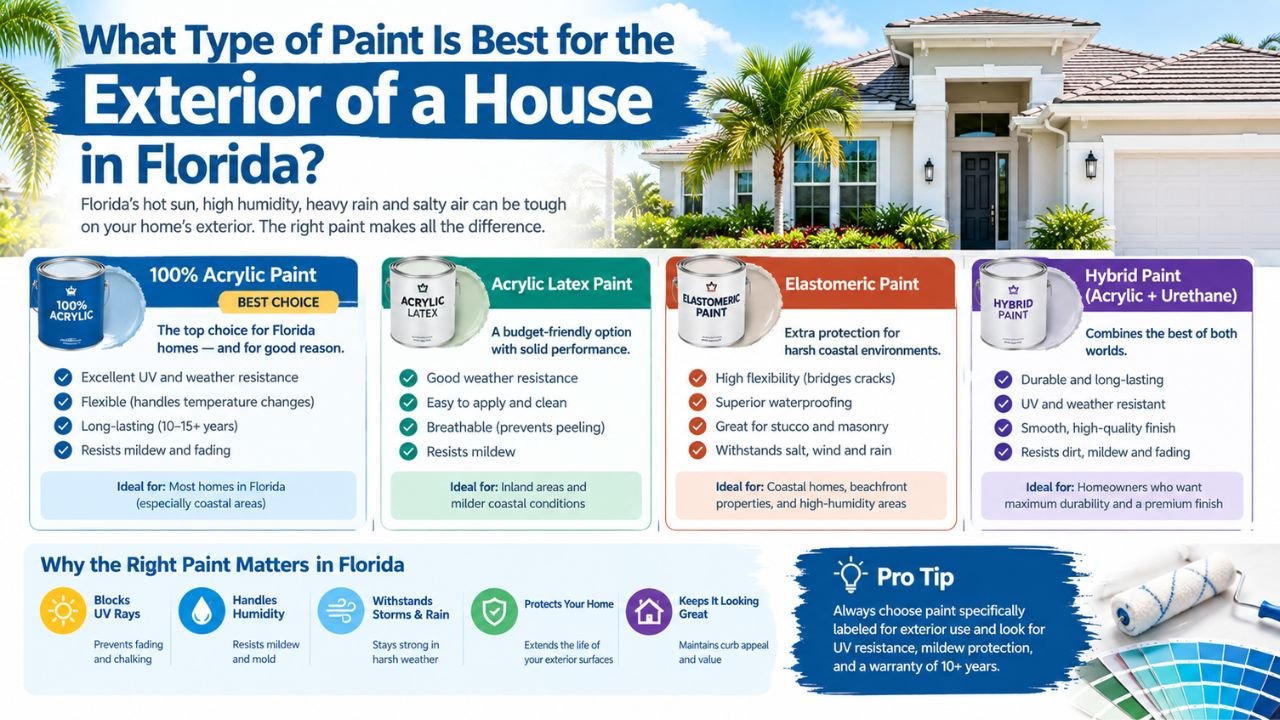
What type of paint is best for the exterior of a house in Florida? For many Florida homes, a premium 100% acrylic latex exterior paint is the best general-purpose choice because it offers a practical balance of UV resistance, flexibility, moisture resistance, adhesion, breathability, and cost.
However, there is no single paint that is best for every Florida property. A properly prepared stucco wall with hairline cracks may benefit from an elastomeric coating, while concrete block may require masonry paint or a compatible sealer. Coastal homes may need additional attention to salt-air exposure, corrosion, mildew, and intense sunlight.
The best exterior paint for Florida depends on:
-
The surface material.
-
Existing paint and surface condition.
-
Exposure to sun, rain, humidity, and salt air.
-
The amount of preparation required.
-
The desired finish and color.
-
The project budget.
-
The manufacturer’s technical requirements.
The product category matters, but proper exterior paint preparation and application conditions are equally important. Even a premium coating can fail if it is applied over damp, contaminated, chalking, or unstable surfaces.
What Type of Paint Is Best for the Exterior of a House in Florida?
For many homes, the best all-around answer is premium 100% acrylic latex exterior paint. It is generally suitable for many previously painted stucco, fiber cement, wood, and siding applications when the surface is sound and properly prepared.
A different coating may be more suitable when:
-
Stucco has suitable hairline cracks that require limited crack-bridging ability.
-
Masonry is porous or alkaline.
-
The home is exposed to coastal salt air.
-
The surface contains bare wood, rust, or repairs.
-
The existing coating is failing or incompatible.
-
A specific product system is required by the substrate manufacturer.
A product label and technical data sheet should always be reviewed before purchase. They typically identify recommended surfaces, temperature limits, recoat times, coverage, surface moisture requirements, and primer compatibility.
What Makes Exterior Paint Suitable for Florida?
Florida exterior coatings must handle a challenging combination of heat, sunlight, humidity, rain, wind, and, in coastal areas, salt-laden air.
Important performance characteristics include:
-
UV and fade resistance: Strong sunlight can weather coatings and fade certain colors.
-
Heat and humidity resistance: The coating should be suitable for hot, humid conditions.
-
Mildew and algae resistance: This is especially important in shaded, damp, or poorly ventilated areas.
-
Flexibility: Exterior surfaces expand and contract with temperature changes.
-
Breathability: Some walls need to release moisture vapor rather than trapping it.
-
Adhesion: The coating must bond to stucco, masonry, siding, wood, or metal as appropriate.
-
Rain resistance: The system should be suitable for heavy and wind-driven rain after it has properly cured.
-
Coastal durability: Waterfront and beachfront properties may need enhanced salt-air and corrosion considerations.
-
Appropriate reflectance: Light-reflective colors may reduce heat absorption compared with very dark colors, although actual performance varies by color, substrate, orientation, and product.
Paint should not be selected solely by the label saying “exterior.” A wood siding paint may not be the right choice for concrete block. Similarly, a coating intended for masonry may not be suitable for flexible siding or previously painted metal.
Best Overall Choice: 100% Acrylic Latex Paint
Premium 100% acrylic latex is often the strongest general-purpose option for Florida exteriors.
Advantages of acrylic latex
A quality acrylic system may provide:
-
Good adhesion to many prepared surfaces.
-
Flexibility during normal expansion and contraction.
-
Resistance to sunlight and weathering.
-
Moisture resistance after proper curing.
-
Availability in mildew-resistant formulations.
-
Compatibility with many stucco, fiber cement, wood, and siding surfaces.
-
Easier color and sheen selection.
-
Broad availability and practical material cost.
Acrylic latex is often preferable to a thicker coating when the surface is stable, moisture movement needs to be considered, or the project requires a relatively straightforward finish system.
It may be used on:
-
Previously painted stucco.
-
Fiber cement siding.
-
Many wood siding applications.
-
Exterior trim.
-
Some properly prepared composite materials.
-
Certain masonry surfaces when the product is specifically designed for them.
When acrylic latex may not be enough
Acrylic latex may not resolve:
-
Active water intrusion.
-
Significant stucco movement.
-
Severe cracks.
-
Unstable or peeling previous coatings.
-
Heavy efflorescence.
-
Unprepared chalky surfaces.
-
Rotting wood.
-
Rusting metal.
The surface may need repair, replacement, a compatible primer, or a different coating system before finish paint is applied.
Best Paint for Florida Stucco
The best exterior paint for Florida stucco is usually either a premium acrylic masonry paint or a properly selected elastomeric coating, depending on the wall’s condition and moisture behavior.
Premium acrylic masonry paint
Acrylic masonry paint may be appropriate for sound, properly prepared stucco. It can provide a practical finish while allowing contractors to work with a coating that is not as thick as elastomeric material.
It may be a good choice when:
-
Stucco is generally sound.
-
Cracks are minor and repaired separately.
-
The wall is clean and dry.
-
There is no active water intrusion.
-
The existing coating is stable.
-
The project calls for a breathable exterior system.
Elastomeric coating
Elastomeric coating is thicker and more flexible than ordinary exterior paint. Depending on the product and substrate, it may help bridge certain small surface cracks and provide a continuous film over textured masonry.
It may be considered for:
-
Properly prepared stucco.
-
Textured masonry.
-
Walls exposed to wind-driven rain.
-
Surfaces with suitable hairline cracking.
-
Projects requiring a thicker flexible film.
Elastomeric coating is not a universal solution. It may be inappropriate when:
-
The wall is damp.
-
There is unresolved water intrusion.
-
Moisture needs to escape through the wall.
-
The surface is contaminated.
-
The existing coating is loose or incompatible.
-
Cracks indicate structural movement rather than ordinary surface movement.
Before painting stucco, address cracks, efflorescence, mildew, loose material, failed caulking, and drainage problems. A coating should not be used to hide a problem that requires repair.
Acrylic Paint vs Elastomeric Coating
Neither acrylic paint nor elastomeric coating is automatically best for every Florida property.
The product should follow a site inspection and surface assessment. The same house may require acrylic paint on siding, masonry coating on block, and a separate metal primer on railings.
Best Exterior Paint for Concrete Block and Masonry
Concrete block and masonry need products designed for porous, mineral-based surfaces. A masonry-compatible acrylic paint, masonry sealer, block filler, or elastomeric coating may be considered depending on the wall.
Important requirements include:
-
An appropriately clean and dry surface.
-
Repair of cracks and deteriorated areas.
-
Removal or treatment of efflorescence.
-
An alkaline-resistant primer where required.
-
Adequate curing time for new masonry.
-
A coating system that allows appropriate moisture movement.
-
Proper application to textured or porous areas.
New concrete, stucco, or block should not be painted before it has cured according to the coating manufacturer’s recommendations. A surface that appears dry may still contain excess moisture.
A product designed for wood siding may not adhere properly to masonry or may not handle the substrate’s alkalinity. Conversely, a masonry coating may not provide the right flexibility or appearance for wood siding.
Best Paint for Wood Siding and Fiber Cement
Wood siding
Wood requires special attention because moisture can enter through joints, end grain, damaged boards, failed caulking, and unsealed edges.
A suitable wood siding system may include:
-
Cleaning and drying.
-
Scraping and sanding.
-
Replacement of rotten boards.
-
Spot priming bare wood.
-
Sealing exposed edges.
-
Flexible caulking at appropriate joints.
-
Two compatible acrylic finish coats where specified.
Paint should not be applied over damp wood or active leaks. If moisture enters repeatedly, the new coating may peel regardless of its price.
Fiber cement siding
Fiber cement often works well with 100% acrylic latex when the surface is prepared according to the product and siding manufacturer’s requirements. Bare or repaired areas may need a compatible bonding or masonry primer.
Pay attention to:
-
Exposed cut edges.
-
Butt joints.
-
Fastener heads.
-
Caulking.
-
Previous chalking or peeling.
-
Areas near rooflines and window openings.
Best Paint for Coastal Florida Homes
The best coastal exterior paint in Florida is not defined by one universal brand. It is a compatible system selected for UV exposure, salt air, moisture, surface material, and corrosion risk.
Salt air can affect:
-
Metal railings.
-
Fasteners.
-
Exterior doors.
-
Garage hardware.
-
Decorative metal.
-
Aluminum surfaces.
-
HVAC-related exterior components.
-
Coatings on waterfront-facing elevations.
Features to evaluate include:
-
UV resistance.
-
Mildew resistance.
-
Suitable salt-air durability.
-
Corrosion-resistant primers for metal.
-
Flexible adhesion.
-
Appropriate sheen.
-
Resistance to wind-driven rain.
-
Compatibility with the existing coating.
Different coastal conditions
-
Beachfront homes: Often experience intense sun, wind, sand, and salt exposure.
-
Barrier-island properties: May face strong wind-driven moisture and difficult access.
-
Waterfront homes: May have high humidity and salt exposure even when not directly on the beach.
-
Inland homes: May still experience Florida heat and humidity but generally have less direct salt-air exposure.
Coastal conditions may increase maintenance needs. Regular cleaning, prompt repairs, and inspection of metal and caulking can help identify problems before repainting becomes more extensive.
Choosing the Right Finish and Color
Paint sheen affects appearance, cleanability, and how much surface texture is visible.
For many Florida homes, a low-sheen or satin finish may provide a practical balance between appearance and cleanability. Trim, doors, and shutters may use a higher sheen than large stucco walls.
Color considerations
Lighter colors may reflect more sunlight than very dark colors and may reduce the appearance of fading in some situations. However, color performance depends on the pigment, product, orientation, substrate, and exposure.
Before selecting a color:
-
Review it outdoors at different times of day.
-
Consider nearby roofs, stone, landscaping, and trim.
-
Check community or HOA restrictions where applicable.
-
Confirm that the color is suitable for the selected siding or coating.
-
Ask whether the color requires a tinted primer or additional coats.
Do not assume that a darker color will perform identically on vinyl, stucco, wood, and fiber cement.
Paint Primer and Surface Preparation
Preparation often matters more than choosing the most expensive paint. A premium coating applied to an unstable surface may fail sooner than a properly prepared surface coated with a suitable mid-range product.
Typical preparation may include:
-
Pressure washing.
-
Mildew and algae treatment.
-
Scraping loose paint.
-
Sanding rough or peeling areas.
-
Repairing stucco and masonry cracks.
-
Caulking appropriate joints.
-
Patching small holes and defects.
-
Replacing rotten wood.
-
Applying primer to bare, repaired, chalky, stained, or difficult surfaces.
-
Checking moisture before coating.
Do not paint over:
-
Active leaks.
-
Damp walls.
-
Loose coatings.
-
Heavy chalking.
-
Unresolved mildew.
-
Efflorescence.
-
Contaminated surfaces.
-
Unrepaired structural or movement-related cracks.
Older homes require additional care. If a pre-1978 home may contain lead-based paint and renovation or painting work will disturb painted surfaces, review the EPA Lead-Safe Renovation Information. The EPA’s RRP program addresses lead-safe work practices for covered renovation, repair, and painting activities in pre-1978 housing.epa+1
Florida Weather and Application Conditions
Florida weather can change quickly, so application conditions should be part of the project plan.
Important considerations include:
-
Avoiding rain immediately after application.
-
Following the product’s specified temperature range.
-
Avoiding application to excessively damp surfaces.
-
Allowing adequate drying and curing time.
-
Avoiding application to overheated surfaces in direct sun when the product warns against it.
-
Protecting fresh coatings from storms, wind, and debris.
-
Accounting for high humidity that may slow drying.
-
Checking dew and overnight moisture conditions.
Local conditions vary between Miami, Tampa, Orlando, Jacksonville, Southwest Florida, and the Florida Keys. A schedule that works inland may need adjustment for a waterfront property or a shaded, humid elevation.
Always follow the product label and technical data sheet rather than relying on a generic “good painting weather” rule.
How Much Does the Best Exterior Paint Cost?
The following are approximate material-only planning ranges. They exclude labor, major repairs, access equipment, overhead, and markup.
Prices vary by product line, sheen, color, container size, retailer, location, and market conditions. Specialty products are not automatically better if they are incompatible with the substrate or applied over poor preparation.
For a broader discussion of complete labor and preparation pricing, see how much does it cost to paint the outside of a house in Florida.
A complete professional project may also include:
-
Pressure washing.
-
Surface repairs.
-
Primer.
-
Two finish coats.
-
Masking and protection.
-
Labor.
-
Ladders, lifts, or scaffolding.
-
Cleanup and disposal.
-
Overhead and contingency.
These costs can exceed the price of the paint itself.
How to Estimate Paint Quantities and Project Cost
A basic estimate should account for:
-
Paintable surface area.
-
Number of coats.
-
Product coverage rate.
-
Primer quantity.
-
Waste and touch-up allowance.
-
Labor hours.
-
Equipment.
-
Repairs and preparation.
-
Overhead and contingency.
Sample paint calculation
Assume a Florida home has:
-
2,400 square feet of net exterior wall area.
-
400 square feet of trim, doors, soffits, and fascia.
-
Total paintable area of 2,800 square feet.
-
Two finish coats.
-
Product coverage of 350 square feet per gallon per coat.
-
A 10% allowance for texture, waste, and touch-ups.
Required finish coverage:
Base gallons:
With a 10% allowance:
The estimate should allow approximately 18 gallons of finish paint.
If premium acrylic paint costs $75 per gallon:
Suppose primer is needed for 900 square feet at one coat, with coverage of 350 square feet per gallon and a 10% allowance:
The project would need approximately 3 gallons of primer. At $55 per gallon:
The estimated paint and primer materials would be:
This is not the complete project price. Labor, preparation, caulk, patching materials, masking, equipment, transportation, overhead, and cleanup must still be added.
The construction cost estimator Florida resource can help organize these categories. A construction estimate template for Excel or house estimate format in Excel can track quantities and costs in a repeatable format.
Common Mistakes to Avoid
Avoid these common exterior painting mistakes:
-
Choosing paint based only on price.
-
Painting over damp or contaminated surfaces.
-
Ignoring cracks and water intrusion.
-
Using the wrong coating for stucco or masonry.
-
Skipping primer where the substrate requires it.
-
Applying paint during unsuitable weather.
-
Choosing dark colors without considering heat and fading.
-
Assuming every exterior paint has the same coverage.
-
Applying elastomeric coating without evaluating moisture movement.
-
Failing to obtain an itemized estimate.
-
Ignoring local community or property restrictions.
-
Painting over loose, chalking, or peeling coatings.
-
Treating mildew without addressing recurring moisture sources.
-
Assuming one product can be used on every exterior material.
A product that performs well on one elevation may not be appropriate for every surface around the home.
How to Compare Exterior Paint Estimates
When comparing estimates, look beyond the total price.
Review whether each proposal identifies:
-
Paint brand and product line.
-
Paint category and intended substrate.
-
Number of finish coats.
-
Primer and sealer.
-
Pressure washing.
-
Surface preparation.
-
Repairs and caulking.
-
Stucco crack treatment.
-
Trim and accessory items.
-
Labor and equipment.
-
Ladders, lifts, or scaffolding.
-
Weather-related scheduling provisions.
-
Warranty language, without assuming a warranty guarantees a result.
-
Cleanup and disposal.
-
Assumptions and exclusions.
-
Treatment of concealed damage or change orders.
A structured residential construction estimating approach can help separate material, labor, equipment, and repair scopes. Contractors may also use a construction estimate format Excel worksheet to compare quantities and unit costs.
For a larger project involving exterior repairs, additions, or multiple trades, a detailed estimate of a residential building in Excel PDF for Florida can help organize the painting scope within the overall project budget.
If exterior painting is part of a new construction or major renovation project, related planning resources such as how much does it cost to build a house in Florida and what are the 7 stages of construction may help place painting, finishing, and inspection activities in the broader schedule. A sample BOQ for house construction Excel complete format with example can also help separate paint quantities from related construction work.
Final Recommendation
For many Florida homes, premium 100% acrylic latex is generally the best all-around exterior paint because it balances flexibility, UV resistance, moisture resistance, adhesion, appearance, and cost.
An elastomeric coating may be a better option for properly prepared stucco or masonry where suitable hairline crack-bridging and a thicker flexible film are desired. Concrete block and stucco should receive masonry-specific products or compatible coating systems. Coastal homes may require additional attention to salt-air exposure, corrosion-resistant primers, mildew resistance, UV exposure, and wind-driven rain.
No paint can compensate for poor preparation, active leaks, damp surfaces, loose coatings, or unresolved moisture problems. The practical recommendation is to evaluate the surface first, select a coating compatible with the substrate and exposure, follow the product data sheet, and request an itemized estimate that separates preparation, primer, paint, repairs, labor, equipment, and cleanup.
Therefore, the answer to what type of paint is best for the exterior of a house in Florida is usually premium 100% acrylic latex—but the best final choice depends on the specific wall material, surface condition, Florida climate exposure, and preparation plan.